.png?width=429&height=204&name=Goods%20Tree%20Care%20Logo%202%20(2).png)
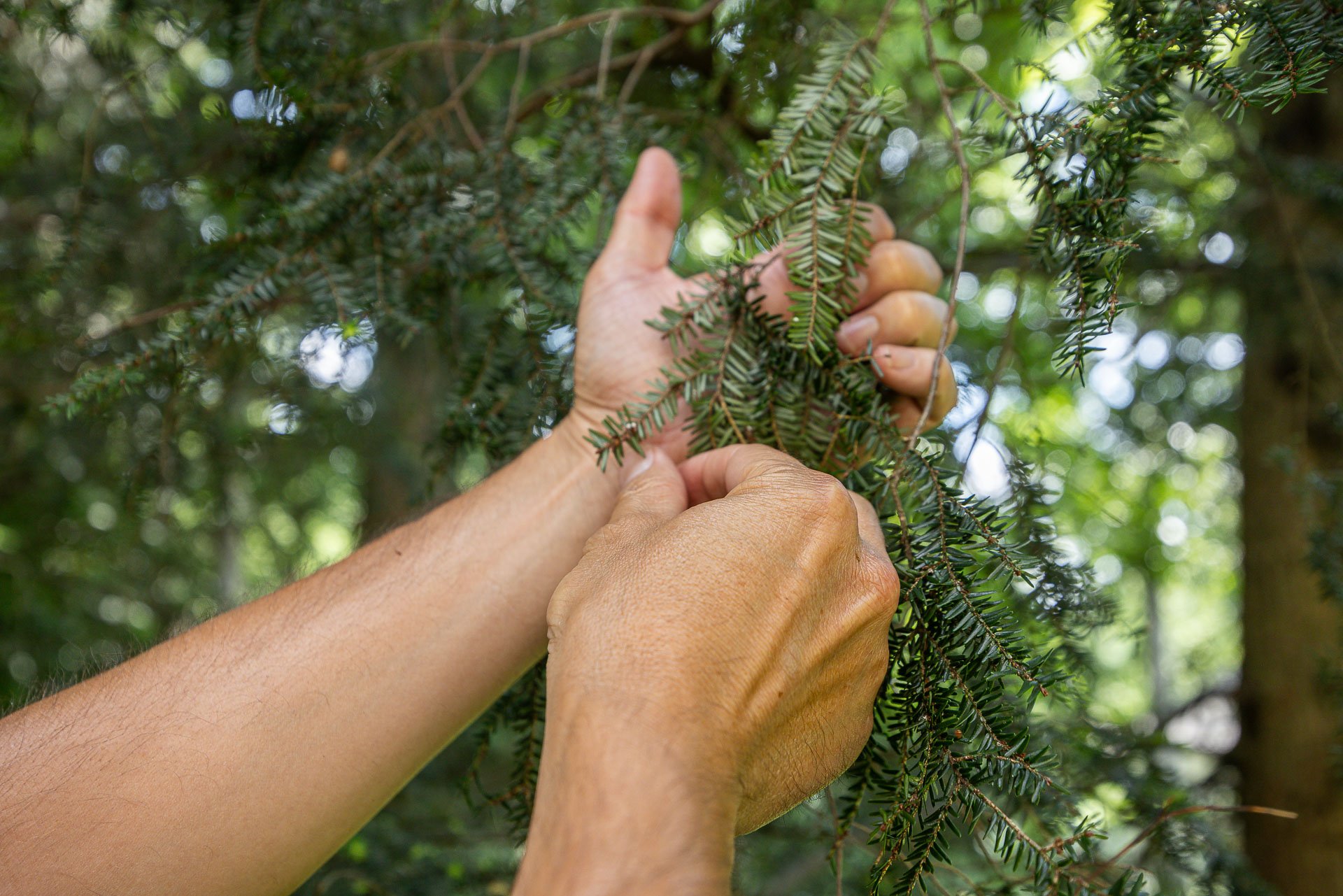

Does your skin ever become dry and chapped in the wintertime due to the cold and lack of moisture in the air?
Evergreen trees and shrubs can experience a similar phenomenon as temperatures dip and the wind wails.
Evapo-transpiration, the movement of water through leaves, is required for the maintenance of cell function. In the winter and during cold snaps of South Central Pennsylvania, that water is no longer available and can result in leaf damage from desiccation and wind burn.
That’s where anti desiccant sprays can help act as a barrier to slow down moisture loss and protect susceptible plants. They are a key part of any tree care program.
Let’s take a look at what anti-dessicant sprays are, how they work to protect your plants, and the ins and outs of applying them.
Jump To:
How Do Anti-Desiccant Sprays Work?
Why Winter is Tough on Conifers and Broad Leaf Evergreen Plants
Signs of Winter Damage
Winterizing Trees in South Central PA
When and How to Apply Anti-Desiccant Spray
Protect Your Plants with Good's
How Do Anti-Desiccant Sprays Work?
Also known as an anti-transpirant spray, anti desiccant sprays coat leaves with a thin, clear, waxy film that protects them from winter’s harsh weather.
The protective layer slows evapo-transpiration when water is not available in the ground and lessens risk of desiccation, otherwise known as winter burn, to those leaves.
The anti-desiccant breaks down after a couple of months and leaves will resume evapo-transpiration as the weather warms up.
Why Winter Is Tough on Conifers and Broad Leaf Evergreen Plants in PA
It’s no secret South Central Pennsylvania winters can be brutal. That’s why it’s so important to consider an anti desiccant spray for susceptible conifers and broad leaf evergreen shrubs.
Let’s take a look at a few of the threats common during wintertime in this area.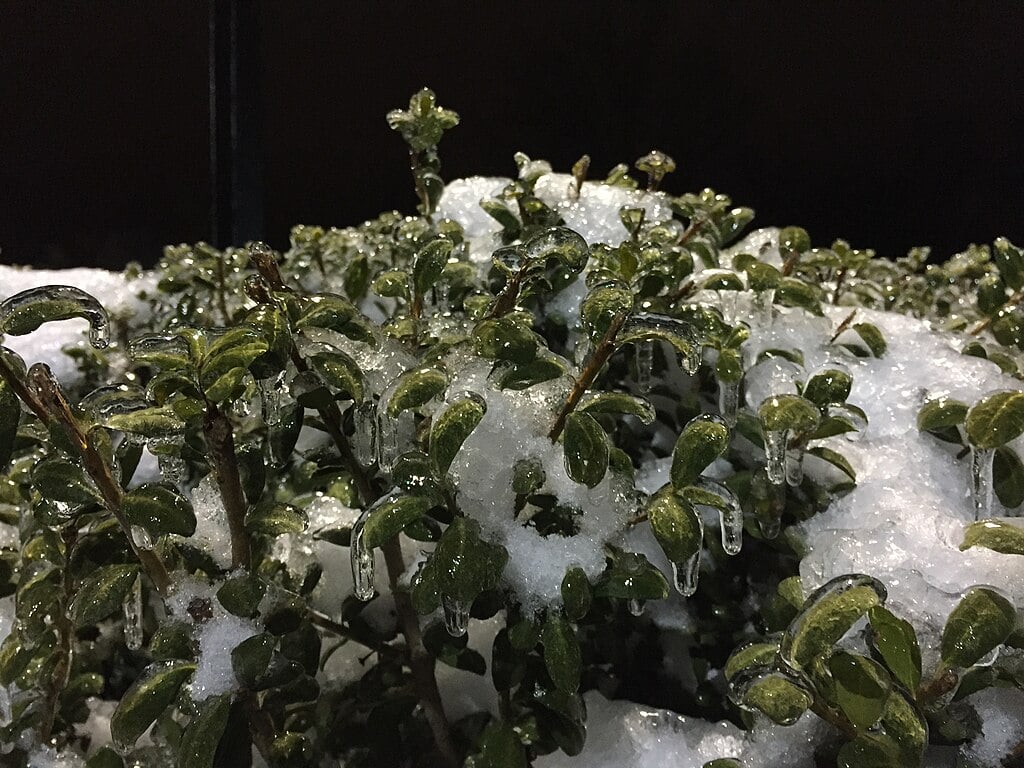
Cold Temperatures
Cold temperatures are not uncommon in this region, and when the air becomes frigid, the soil can freeze as well.
Frozen soil makes it extremely difficult for plants to get water through their roots, and they can become dehydrated.
Low Humidity
There’s not a lot of moisture in the air in winter, and the dry air can also pull away what little moisture a plant has. Unless there is regular snow, the moisture available in the soil is also reduced.
Wind
Winter winds can pose a threat to your evergreens and shrubs. Just like your chapped lips, the wind physically pulls moisture from your plants’ leaves, leaving them dried out.
Salt Spray from Roadways
Applying anti-dessicants to evergreens prone to road salt spray can protect foliage in some instances by preventing salt from contacting needles and leaves directly. Later rains can wash the salt off of the foliage. It would not, however, prevent damage from salt leaching into soil beneath the trees.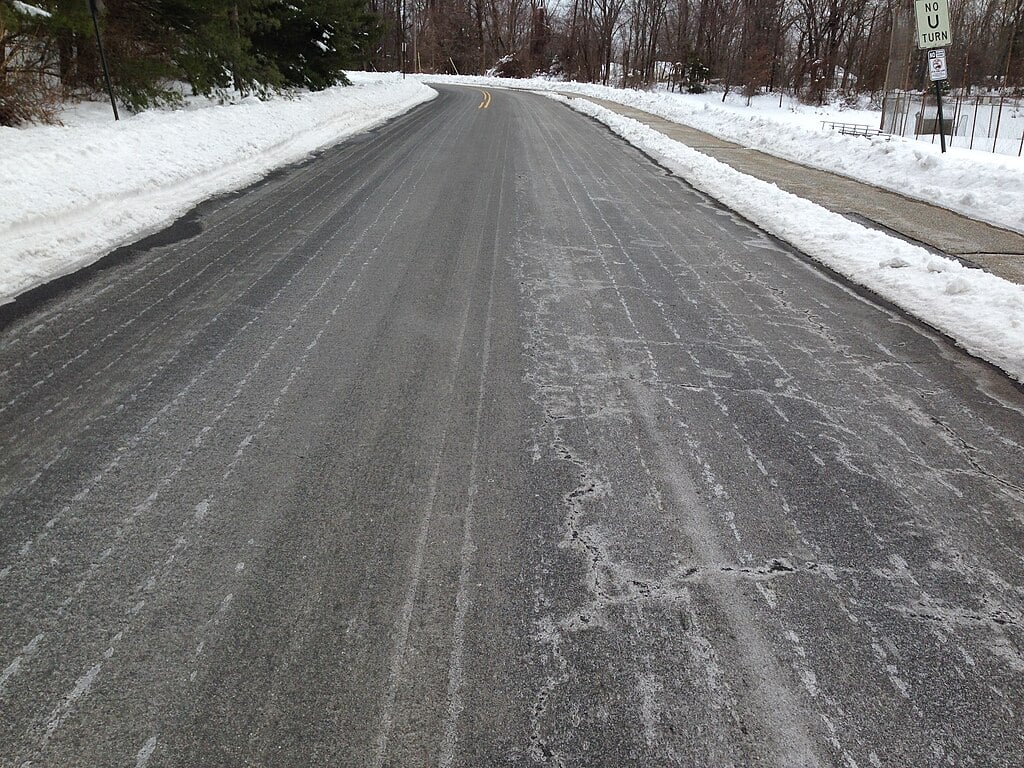
Sun Scald on Leaves
Finally, while sunny days can feel like a welcome reprieve in the winter, the sun can further dry out your plants by speeding up evapotranspiration, the process through which plants lose water.
The sun can be especially harmful if the plant has already become dehydrated by wind, low humidity, and salt. The effects can be further exacerbated if the ground is already frozen because the plant has no way to replenish its water.
Alone, each of these elements can be harmful to your trees and shrubs, but together, these conditions form the perfect storm for desiccation to take hold.
Signs of Winter Damage
If you’re wondering what winter damage can look like, you’re not alone. Here are a few signs to look out for.
Browning
While it’s not always immediate, you may notice that your plants start to fade in color, turning yellow and then brown over time.
Leaf Curl
You may see that the leaves on your plants have curled in on themselves. This is your plants’ way of protecting themselves by reducing the amount of surface area that’s exposed to conditions like sun and wind.
Failure to Rebound in Spring
In severe cases, your tree may fail to break out of dormancy in the spring as it succumbs to the harsh environment. This would require a total replacement of the plant.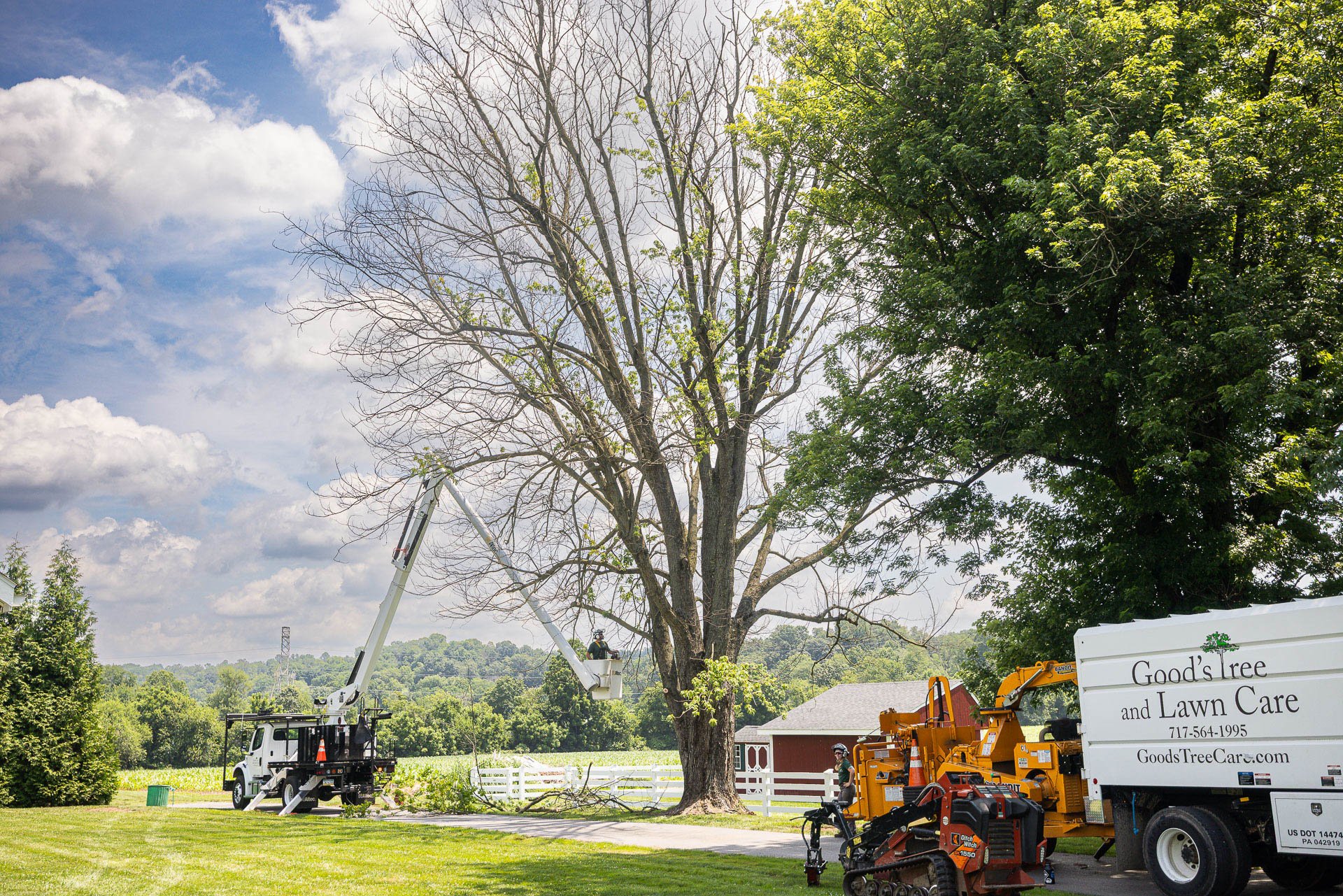
Winterizing Trees in South Central Pennsylvania
So which plants benefit from anti-desiccant treatments?
Plants Benefitting the Most from Anti Desiccant Sprays
Anti Desiccant Sprays for Evergreens
Evergreen shrubs such as boxwoods, hollies, azaleas, and rhododendrons benefit from an anti transpirant treatment.
These types of plants keep their leaves year round but aren’t necessarily indigenous to the South Central Pennsylvania region, meaning they don’t tolerate cold temperatures as well as other plants.
It's important to note that certain conifers like blue spruces should not receive anti desiccant treatments as they already produce a protective wax, and the spray can interfere with their natural processes.
Young or Newly Planted Trees and Shrubs
While many mature trees also take well to anti-transpirant sprays, younger or newly planted trees and shrubs can benefit from this type of treatment as the extra protection can help them get established in your yard.
Tree and Shrubs Exposed to Wind or Full Sun
Plants that are particularly susceptible to winter burn are those located in areas with a lot of wind or sun exposure. Plants that fully face north may sustain the most wind damage.
Also, because wind can create a tunneling effect between structures and buildings, trees in those corridors may also require the extra protection an anti desiccant can give.
When and How to Apply Anti-Desiccant Spray
Ideally, anti transpirant sprays are applied in late fall or early winter. At Good’s, it’s a service that we offer one to two times over the winter, depending on the conditions.
For example, a lot of rain can cause the treatment to degrade over time.
Anti Desiccant Application Tips
There are a few things to keep in mind when applying an anti-desiccant.
Timing & Temperature
It’s important to get the timing just right. The temperatures in November or early December can be ideal, after plants have gone dormant and hardened off but before severe winter weather sets in.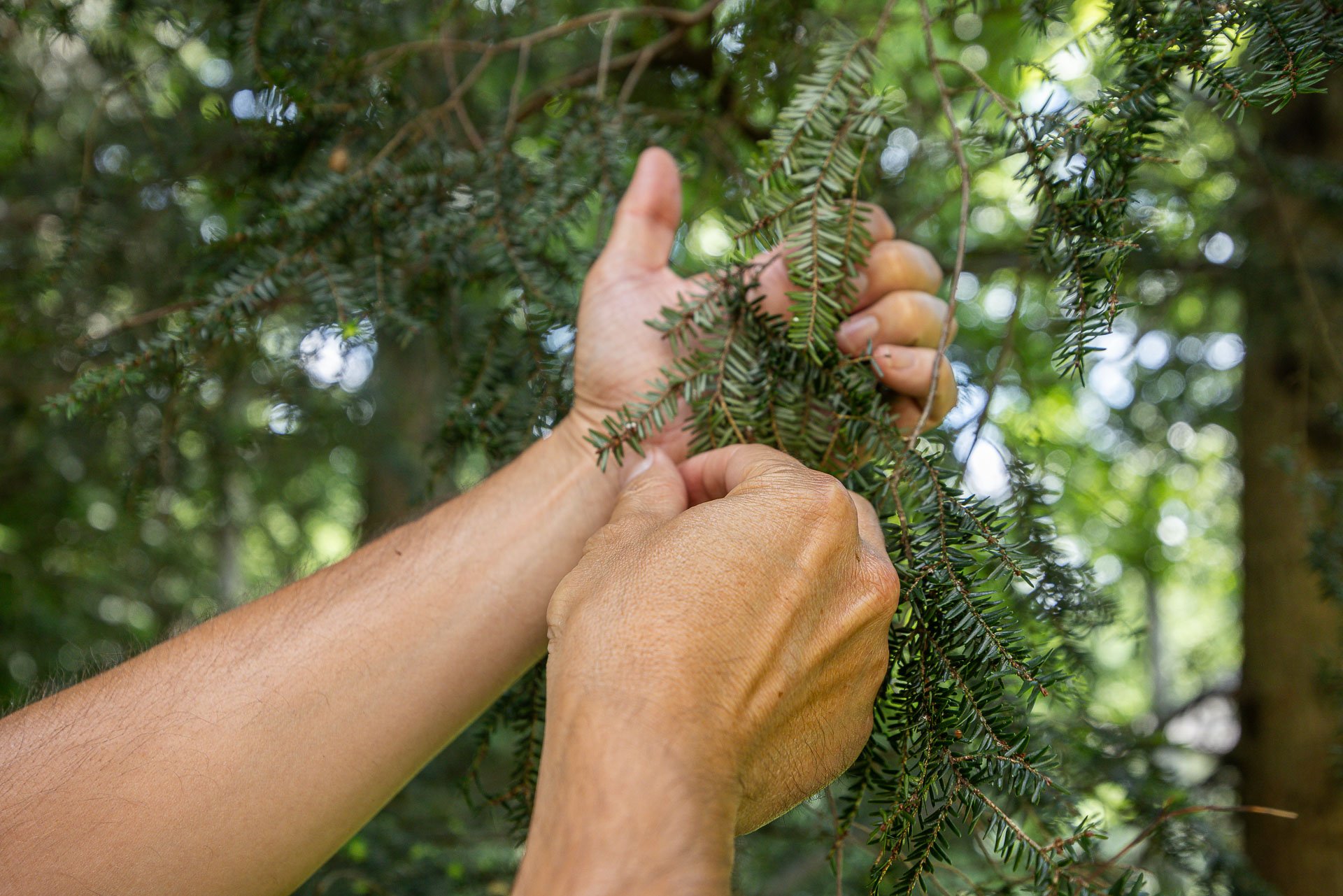
If you spray too early, it can trap water in the leaves and the treatment may break down before the harsh winter conditions really set in. On the other hand, if you spray too late, the plant may have already sustained damage from winter elements.
Thoroughness of Spray
When you spray the anti-transpirant, it’s key that you’re precise and coating every part of the plant for the best results.
You also want to make sure you’re not overapplying it; while it’s not toxic to the surrounding environment, spraying too much anti desiccant can be wasteful.
Read the Label
It’s critical that you read the product label before undertaking any anti-desiccant treatment.
Not only will the label tell you the exact right amount of product to apply, but it will also tell which trees and plants it’s meant for.
Is It Safe to Spray My Trees and Shrubs Myself?
While anti transpirant sprays are available over the counter and you don’t need any type of special license to apply them, your best bet would be to rely on a plant health care provider to ensure the job is done right.
Plant health care specialists like the ones at Good’s know the ins and outs of your trees and shrubs and have the proper technique and timing, every time.
That way, your plants are covered with lasting protection all winter long.
Protect Your Plants the Good’s Way
If you’re located in South Central Pennsylvania, our plant health care specialists at Good’s will take good care of your plants all winter long. Call now or request a quote online to receive a seasonal inspection or winter protection plan.

Image Sources: frozen evergreen, salted road

Jon Schach


.png?width=300&height=143&name=Goods%20Tree%20Care%20Logo%202%20(2).png "Goods Tree Care Logo 2 (2)")