.png?width=429&height=204&name=Goods%20Tree%20Care%20Logo%202%20(2).png)
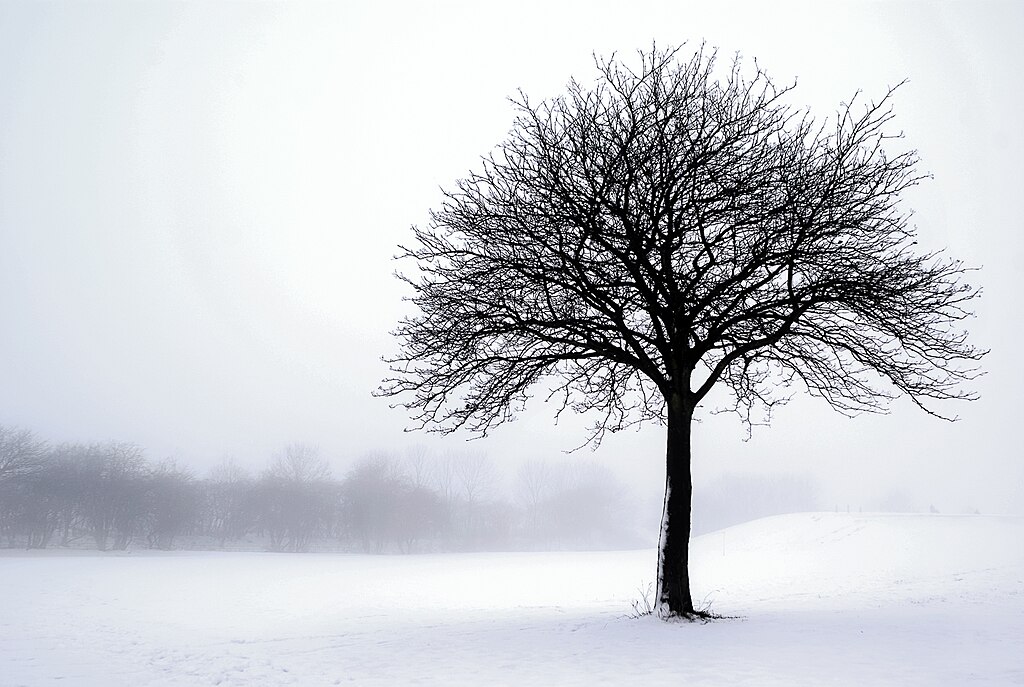

Do your trees look like they need a little TLC, but you’re worried that anything you do may cause more harm than good?
Most tree species need to be pruned every now and again to stay healthy.
So, when should you prune your trees?
Dormant pruning is one of the most safe and effective ways to help the trees in your yard reach their full potential.
Learn more about:
What is Dormant Pruning
Top 3 Reasons Why Pruning Dormant Trees is Beneficial
Common Mistakes to Avoid When Pruning in Winter
FAQs About Dormant Pruning
Choosing Hassle-Free Dormant Pruning Services
What is Dormant Pruning?
Dormant pruning involves making strategic cuts to improve growth and ensure proper structure when trees are in their dormant, or inactive, state.
Each year, trees enter this dormancy state to conserve energy and protect themselves against the harsh elements and cold temperatures that can hit South Central Pennsylvania in wintertime.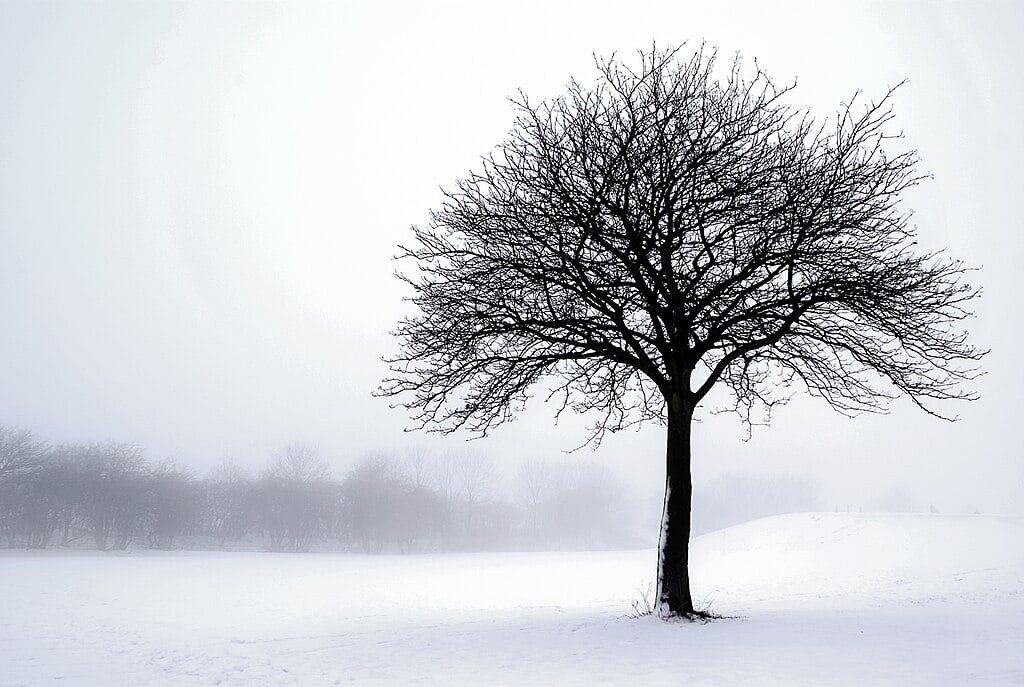
Pruning dormant trees can reduce the risk of pest and disease infestation and limit their overall stress as they can more easily recover from cuts made during this time of year.
There are several techniques arborists use when dormant pruning:
- Structural pruning focuses on removing weak, crossing, or broken branches to ensure that all branches are spaced properly to keep the tree sturdy and strong.
- Hazard pruning involves strategically removing branches to mitigate risks when wind and winter storms come rolling through.
- Maintenance pruning includes the routine removal of dead, diseased, or damaged branches, as well as minor thinning or shaping.
- Aesthetic pruning helps improve the overall appearance and shape of your trees.
Best Time to Prune Trees in South Central Pennsylvania
In South Central Pennsylvania, dormant pruning, or winter pruning, typically occurs between December and February.
It’s critical to wait until after the leaves have completely dropped in late fall and before new growth in early spring to dormant prune.
Top 3 Reasons Why Pruning Dormant Trees is Beneficial in South Central PA
Now that you know what dormant pruning is, let’s take a look at why winter is one of the best times for pruning.
Reduced Pest and Disease Risk
The health of your trees is perhaps the most important reason to consider dormant pruning, and pruning during the winter can help decrease the risk of pests and diseases.
For example, pruning elm trees during the growing season can attract elm bark beetles, which can then spread the fungus that causes Dutch elm disease.
Better Visibility
Since deciduous trees lose their leaves in fall, it becomes much easier for arborists to see the branch structure of a tree. This increased visibility allows them to make better decisions of where and how to prune the branches of your tree.
Reduced Impact to the Landscape
Pruning trees during the growing season can also impact the surrounding landscape.
Because landscape plants are also dormant during the winter season, arborists don’t have to worry about damaging newly blossomed flowers or freshly laid mulch to access your trees or lower branches to the ground.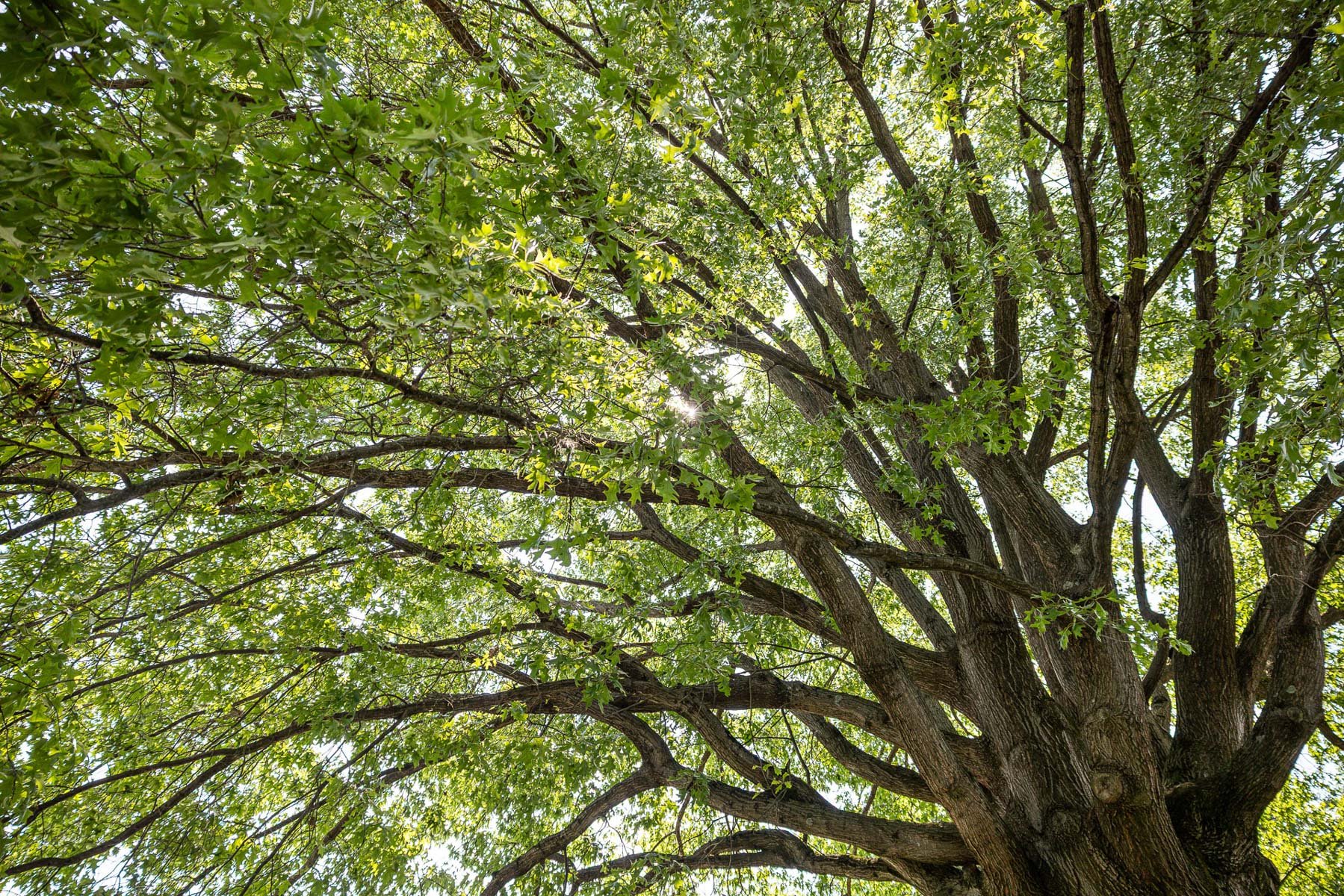
Dormant Pruning Versus Summer Pruning
If you’re still wondering why wintertime is a good time to prune trees rather than summertime when the climate seems more favorable (and it’s more pleasant to be outdoors), there are a couple of reasons that make winter the season to prune trees.
It’s important to consider avoiding pruning live branches when they are actively growing in the spring and again in early fall as they are moving into dormancy. This is because pruning, no matter how it’s done, causes stress to a tree. In order to heal the pruned limbs, resources can be taken away from the natural processes of growth and energy storage. With winter pruning, the tree is in its dormant state and energy will not be diverted from critical functions, reducing stress put on the tree as a whole.
Pruning performed in the summertime can help shape the tree and control growth, while winter is a good time to take on heavier pruning work and remove dead branches as it’s easier to see what needs to be trimmed out when there are no leaves.
Many woody plants are tolerant of pruning in both winter and summer in South Central Pennsylvania - so long as the pruning is done properly.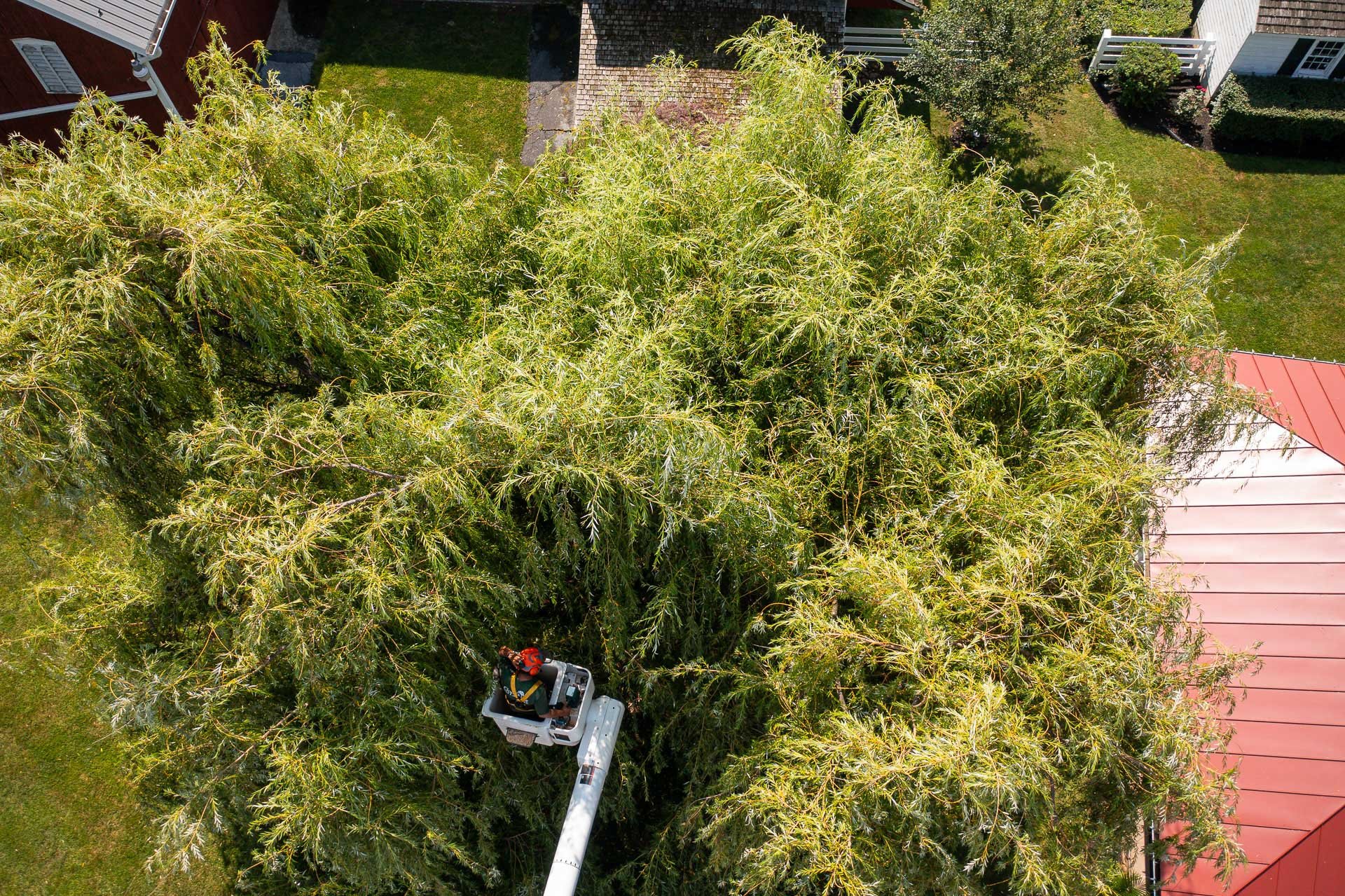
Common Mistakes to Avoid When Pruning in Winter
While dormant pruning can provide a lot of benefits for the trees on your property, it’s important that you pay attention when doing so as there are a lot of mistakes that can be made.
For example, you can accidentally prune too much of the tree or prune too much in the wrong locations, such as near the crown of the tree or the ground. What’s more, bad cuts can lead to an increase in stress and an overall decline in health.
Finally, you also need to make sure that you’re using sharp tools rather than dull ones as damage to the tree can be more severe if tools are not sharp. Plus, your potential for injury increases when you use duller tools.
Why Hire an ISA Certified Arborist for Dormant Pruning
Because there’s no shortage of mistakes you can make while dormant pruning, it’s best to trust an ISA Certified Arborist to help trim down potential risks.
Think about it: pruning involves cutting a tree, so it’s essential that you minimize damage to the tree.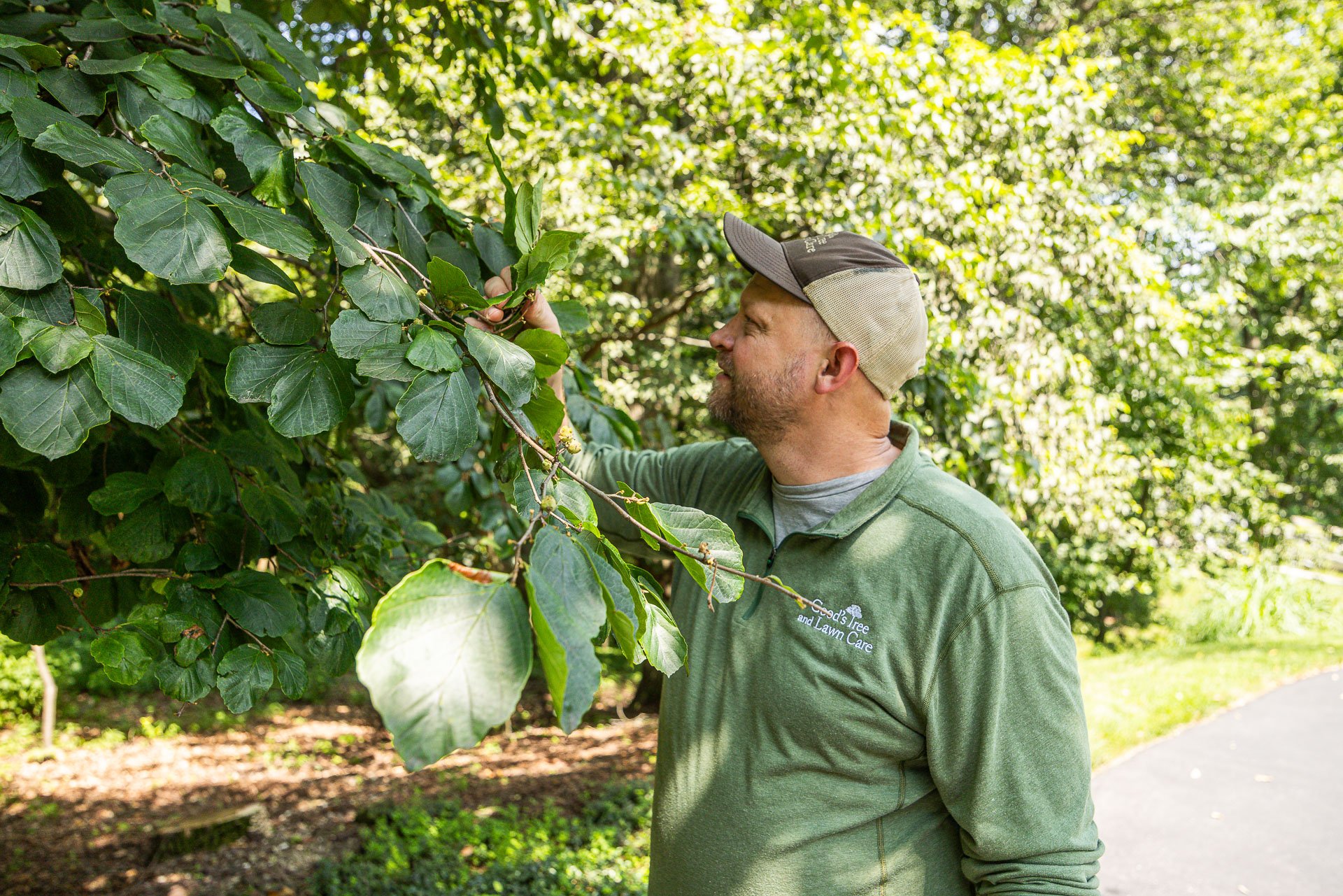
Good arborists are constantly making decisions about how big to make the cuts, where the cuts are, the reasoning behind those cuts, the short- and long-term impacts of those cuts, and more.
It also means that they know the ins and outs of the tree species found in South Central Pennsylvania and can tailor their approach based on what types of trees you have in your yard.
FAQs about Dormant Pruning
Can I prune my trees at other times of the year?
Of course, wintertime is not the only time of year that trees can be pruned. You can also prune certain species in the summertime. In emergency or clearance situations such as after a damaging storm, pruning can also take place during other times of the year.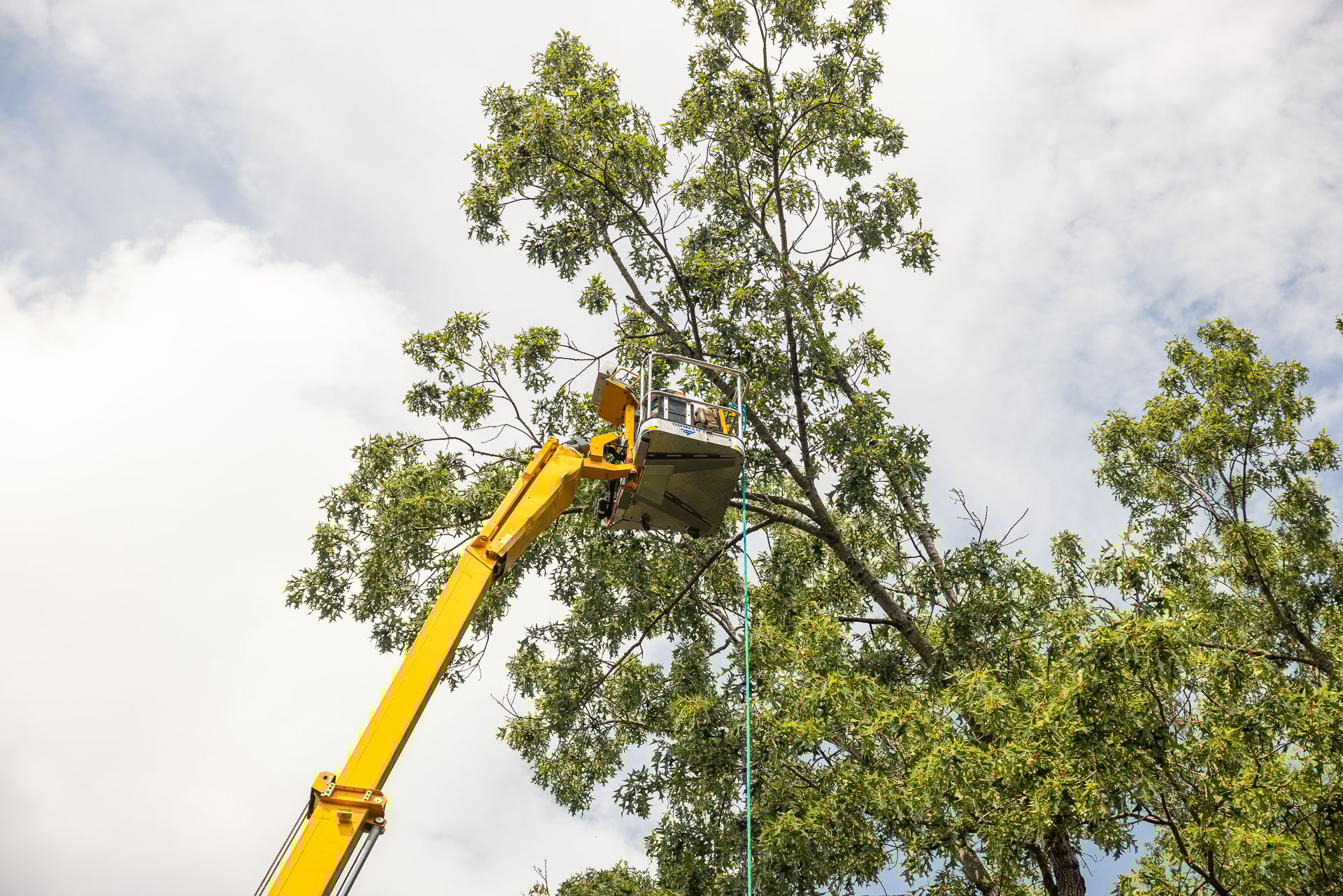
Are there any species that most benefit from dormant pruning services?
Dormant season pruning is helpful to reduce transmission of bacterial and fungal disease pathogens including:- Fire blight in flowering cherries, crabapples, and pear
- Bacterial leaf scorch and oak wilt in oaks
- Dutch elm disease in American elm trees.
How does dormant pruning differ from pruning at other times of the year?
Dormant pruning is the planned process of making strategic cuts to a tree during its dormant period, in wintertime, to improve the overall health of the tree. Pruning during this time of year allows arborists to have better visibility of the tree and decreases the risk of pest and disease infestation.
At Good’s, we also offer other types of pruning during the year. For instance, hazard pruning can be done any time of year and is aimed at reducing the risk associated with dead wood in the tree canopy that’s prone to falling.
How do I know if my property needs dormant pruning?
If you are new to your property and want to get a good baseline for your trees’ health, it’s a good idea to call a professional in for a consultation.
Also, if you notice a lot of dead wood present in a tree’s canopy, if a tree is overgrown, or if a tree’s branches look dead or diseased, dormant pruning may also be a good idea.
How often do I need to call in the experts for dormant pruning?
The frequency of pruning depends on the tree species, the age of the tree, and much more. In some cases, we prune trees every two years, whereas in others, we prune every seven years.
Hassle-Free Dormant Pruning Services in South Central PA
No matter the time of year, our approach to pruning at Good’s is based on the needs of each individual tree and the goals of each property owner. Our arborists rely on their training and years of experience to develop the best plan for your trees - and dormant pruning is a big part of that.
Our trained and certified arborists are ready to help trees in communities in and around Mechanicsburg, Hershey, Lancaster, and York remain a cut above the rest.
If you think the trees on your property might benefit from dormant pruning, don’t hesitate to give us a call at Good’s. Lock in your dormant pruning service today by filling out our consultation form and get ready to watch your trees thrive next season.

Image Sources: dormant tree

Jon Schach

.png?width=300&height=143&name=Goods%20Tree%20Care%20Logo%202%20(2).png "Goods Tree Care Logo 2 (2)")