.png?width=429&height=204&name=Goods%20Tree%20Care%20Logo%202%20(2).png)
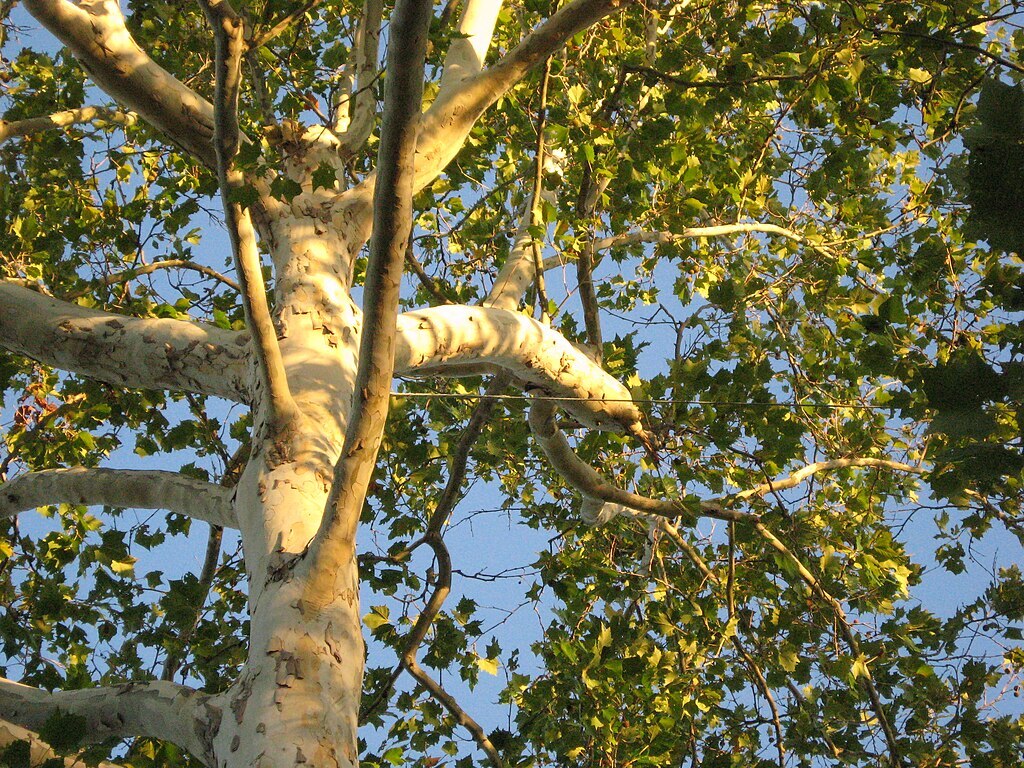

Do your trees have long overextended limbs or visible cracks? Are they leaning just a little too much for comfort? Have you noticed any other structural issues? Are you worried that the next big storm that rolls through South Central Pennsylvania may cause limbs to fall from your tree, or even lead to the tree failing entirely?
If you’ve answered “yes” to any of the questions above, cabling and bracing trees may be the solution for you.
Tree cabling and tree bracing are two tried-and-true techniques that help give your trees the extra support they need to stand tall for years to come.
Let’s take a look at what these techniques are, how these methods can help keep your South Central Pennsylvania trees rooted firmly in the ground, and why it’s essential to enlist a qualified arborist to tackle the job.
Jump To:
What is Tree Cabling & Bracing?
Why Would a Tree Need Support?
When is the Right Time to Brace or Cable a Tree?
What to Expect from a Tree Cabling Service in PA
Frequently Asked Questions About Tree Cabling and Tree Bracing
Brace Your Trees for the Long Haul with Good's
What Is Tree Cabling & Bracing?
When a tree’s structure needs reinforcement or if a tree has developed defects that can’t be corrected by pruning alone, tree cabling and tree bracing can strengthen weak limbs, reduce strain, and help prevent future breakage.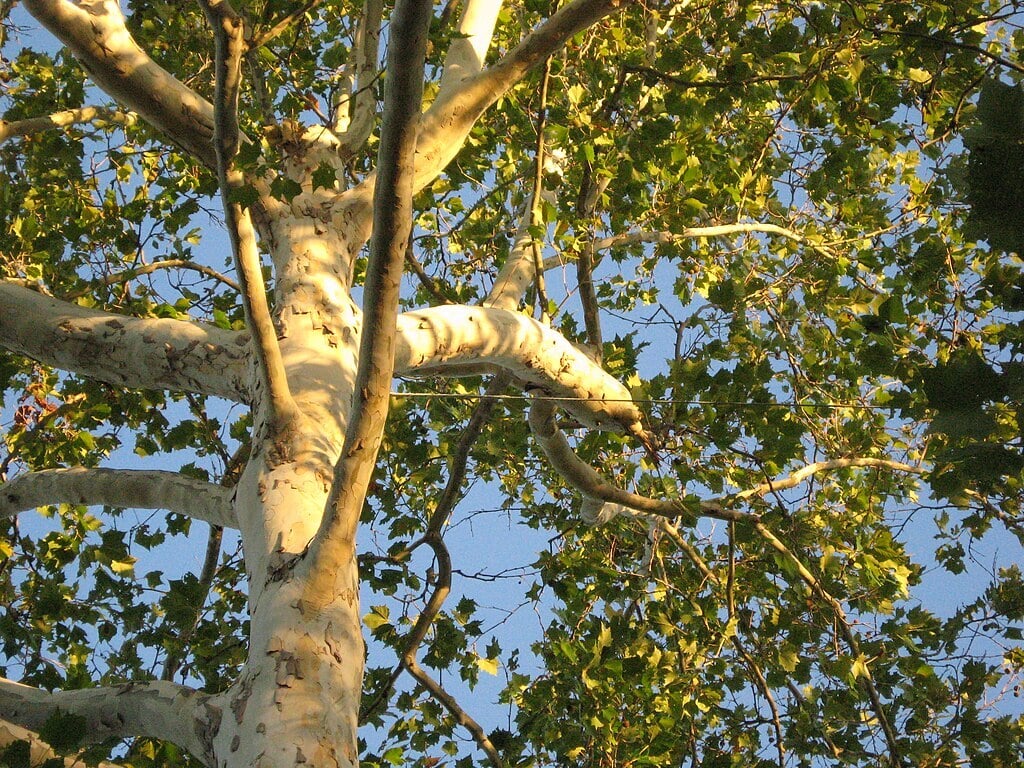
But, what’s the difference between tree cabling and tree bracing?
- How to Brace a Tree: Bracing a tree involves inserting steel rods in the tree’s trunk or limbs for reinforcements.
- How to Cable a Tree: Cabling a tree includes installing a thin-diameter cable in the canopy of a tree to reinforce a bad union of branches or stems so that they’re not forced apart by elements such as wind or snow.
These techniques are often used together, but not always. For instance, at Good’s, we will rarely brace a tree without cabling it, but sometimes we will cable trees without bracing.
The important thing to remember is that these methods are not a miracle cure for the problems your tree may be facing. They are preventative measures to lessen the risks posed by falling branches or failing trees.
Why Would a Tree Need Support?
How do you know when a tree would require cabling or bracing? Below are a few signs your tree may need some additional support.
Split Trunks
Some trees have what’s called a co-dominant stem where they have multiple leads, or stems, that come together at a point. Sometimes, those stems join in a V shape, signifying a weakened spot within the tree.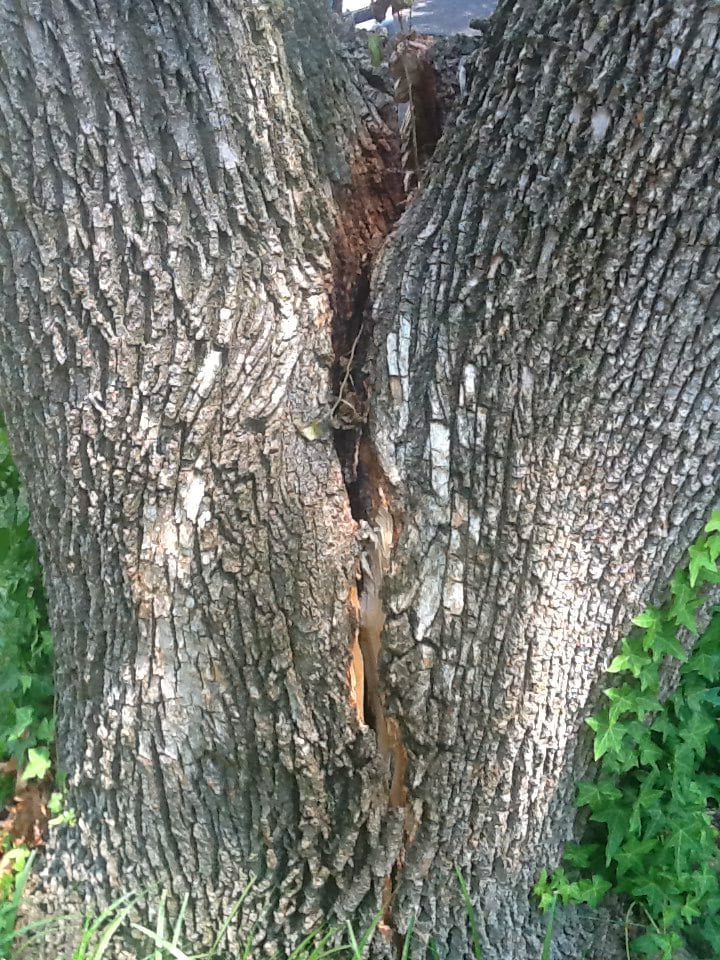
In situations where the stems form a V shape, the bark can get trapped in the union, forming a crack rather than the bark ridge typical of a healthy U-shaped connection point. When this happens, it’s called included bark.
This scenario can also occur within a tree’s limbs. Cabling split trunks or branches helps prevent them from splitting further and eventually snapping entirely.
Storm-Damaged Trees
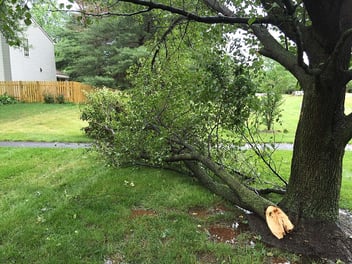
You may think that your tree is doing fine until a big storm rolls through the area, damaging your tree. Tree cabling and bracing, in conjunction with proper pruning, can help prevent further damage.
Tree Species That Require Extra Support
While cabling and bracing can be beneficial to various species of trees, some trees are more commonly in need than others.
For instance, maples, elms, and lindens top the list as trees that typically require more support. Other examples may include conifers, like hemlocks, pines, and spruces, that are left to grow in an open space, developing a co-dominant stem.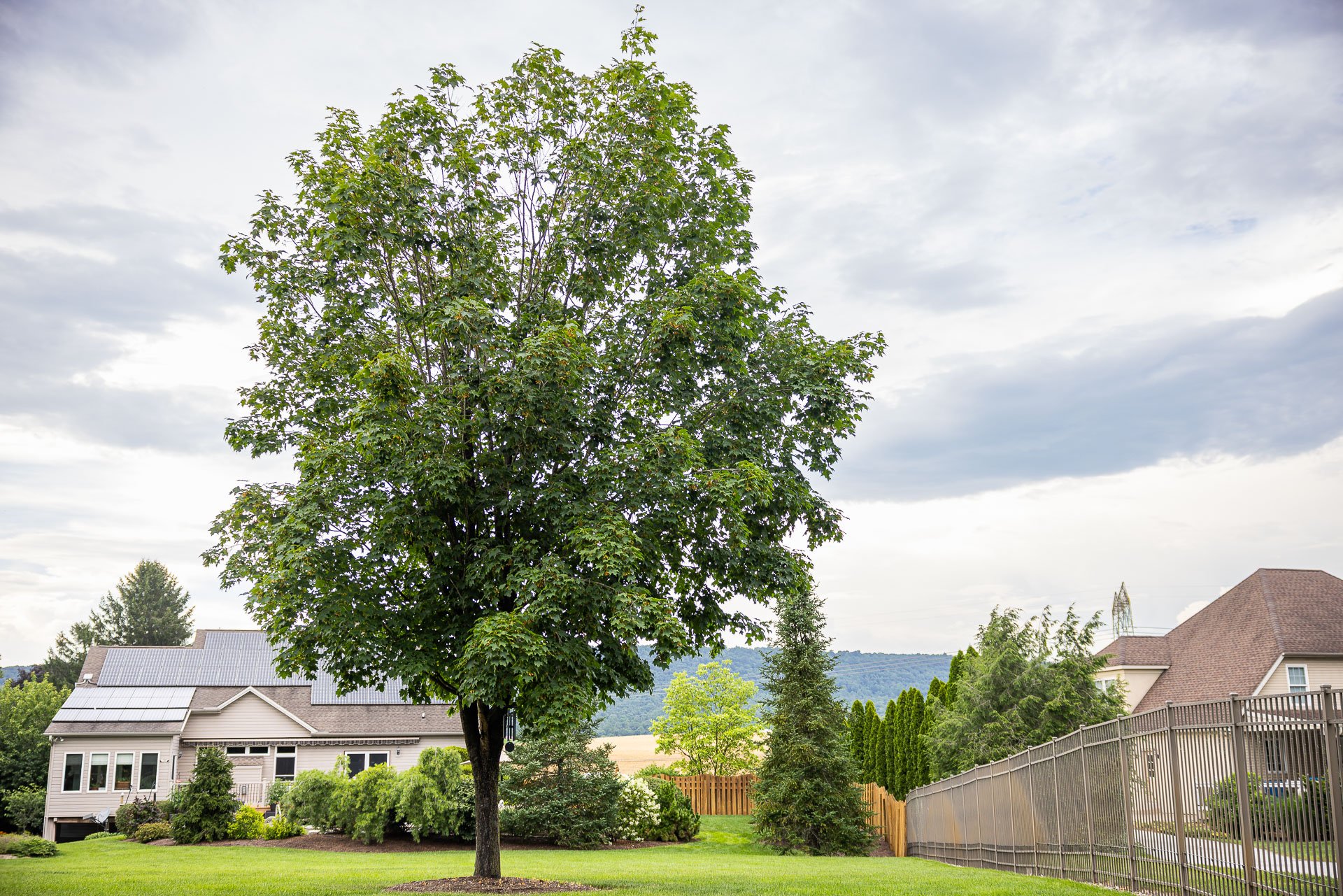
Trees that haven’t been properly pruned throughout their life cycle may also require bracing and cabling.
If you’re unsure whether or not your tree requires support, a qualified arborist can help you recognize the issue.
When Is the Right Time to Brace or Cable a Tree?
When it comes to bracing and cabling trees, early intervention is the best route to help minimize damage in the future. Overall, the time of year does not matter for tree cabling and bracing. The real key is acting on recommendations from your arborist ahead of the next storm.
There are factors throughout the seasons that can cause trees to fail. Trees in leaf are more likely to fail from a compromised stem union in a storm event. That said, heavy snow and ice can also be common contributors to tree failure. Make sure you address issues before they become bigger problems, regardless of the time of year.
Can I Brace a Tree Myself?
Like a lot of tree care work, tree bracing and cabling is not a job you should attempt on your own.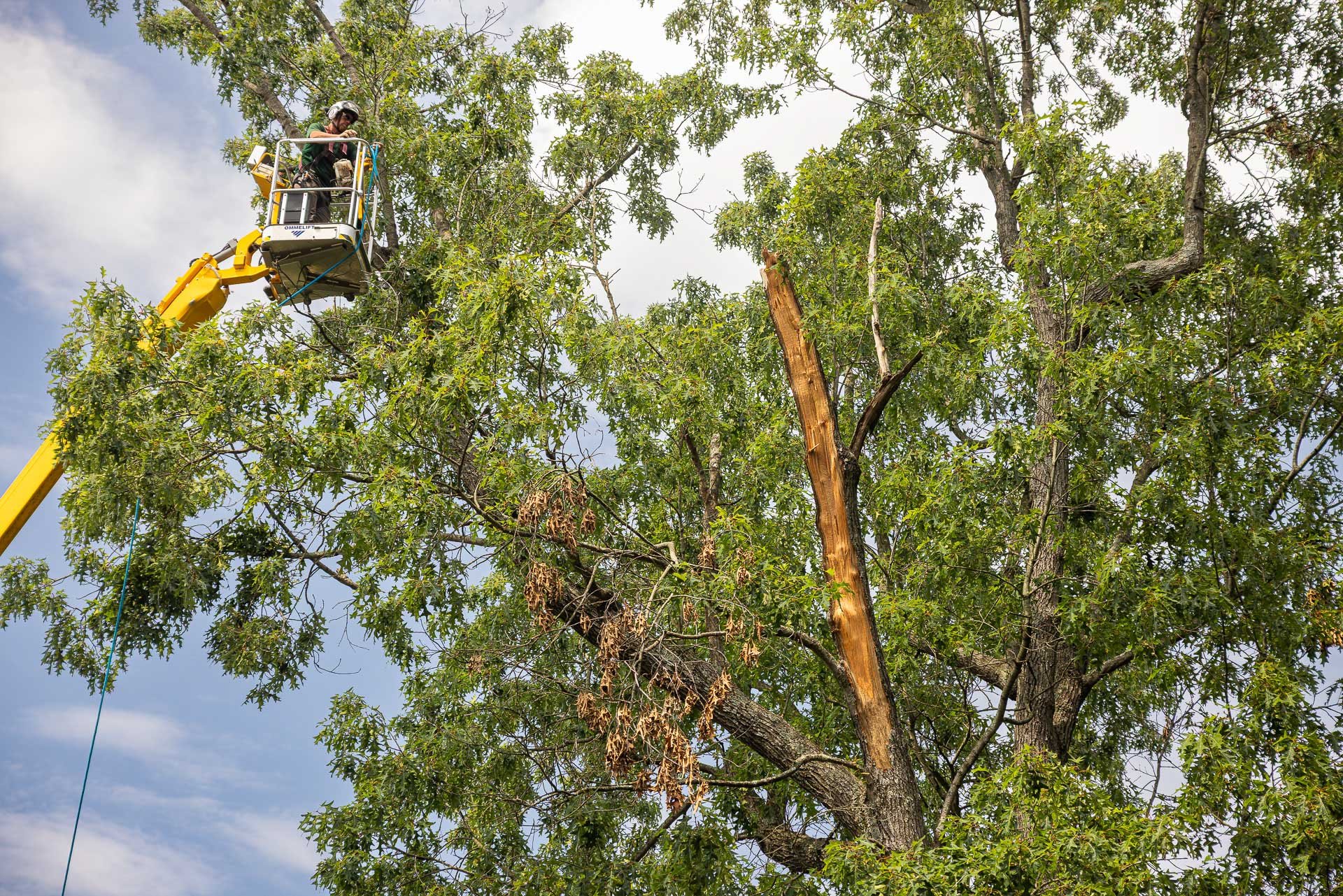
Because tree cabling and bracing often involve climbing into the tree canopy and working with heavy-duty equipment and high-tension materials, it’s essential to call in an arborist that’s been certified by the International Society of Arboriculture. They have the training, tools, and experience to assess the tree’s health and install support systems safely and correctly.
Risks of improper cabling and bracing are serious and can include an increase in a tree’s risk of failing or result in the early decline of the tree.
What to Expect from a Tree Cabling Service in Pennsylvania
When choosing a tree care service, safety should be top of mind. At Good’s, safety is one of our core values, and we consider it above all else.
Here’s what you can expect if you decide to place your tree care needs in Good’s hands:
The Inspection and Recommendation Process
If you think you have a tree in your yard that requires bracing or cabling, one of our arborists will come to your property to inspect the tree and make recommendations based on the latest science and arboricultural standards.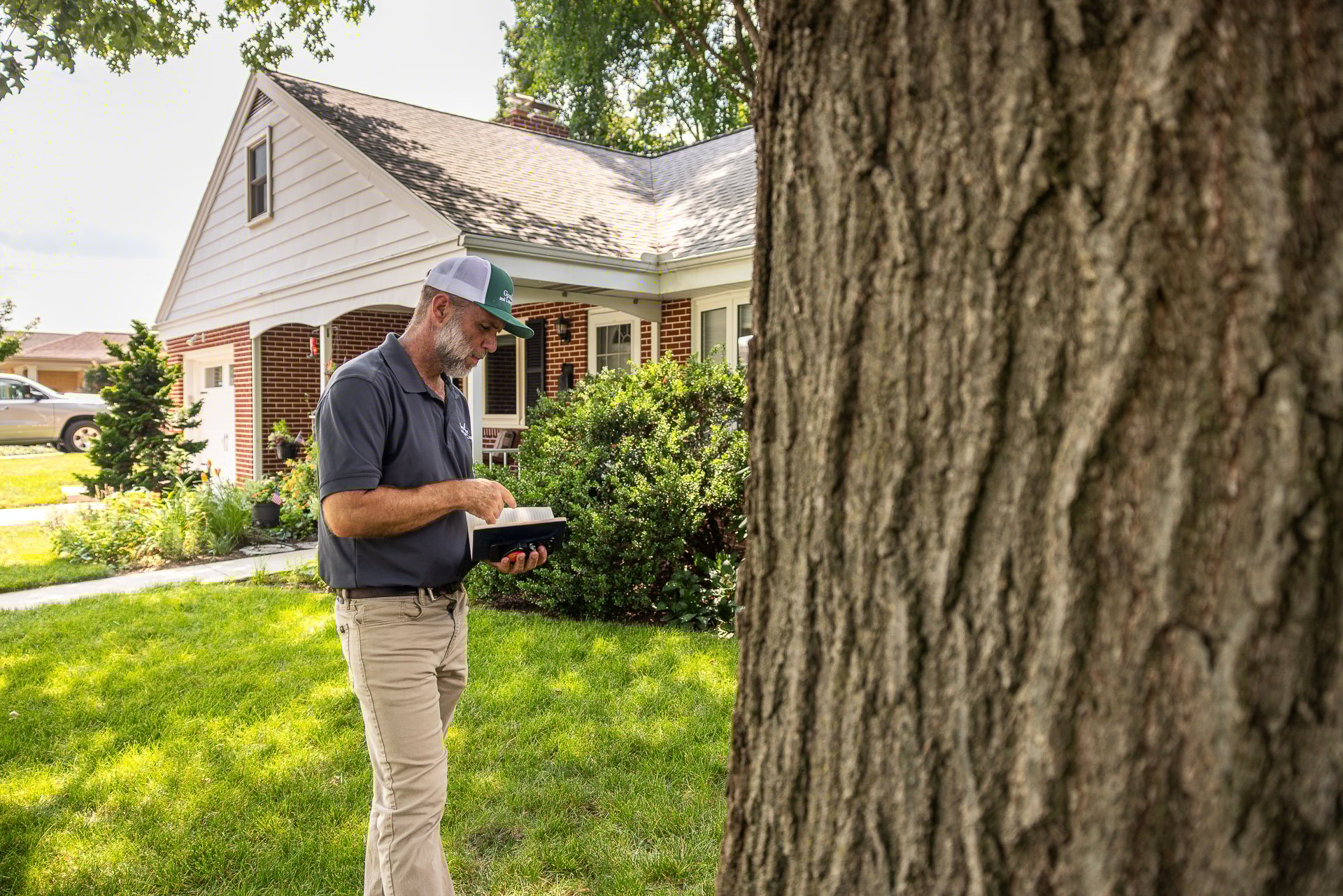
The Cabling and Bracing Process
When our arborists work in your trees, they adhere to best industry standards in order to keep themselves, you, and your property safe.
Follow-Up Visits
Trees that have been cabled and/or braced should ideally be inspected every few years depending on the situation and arborist recommendations
Over time, the cables may no longer be properly positioned within the tree and the risk of failure may increase. In some cases, we may need to install a new cable or conduct additional pruning of the tree to ensure the risk levels remain at an acceptable level.
FAQS About Tree Cabling and Tree Bracing
Does tree cabling and bracing guarantee that I won’t have future issues?
While tree cabling and bracing can help lessen the risk for potential issues down the road, it’s not a guarantee that your tree won’t fail.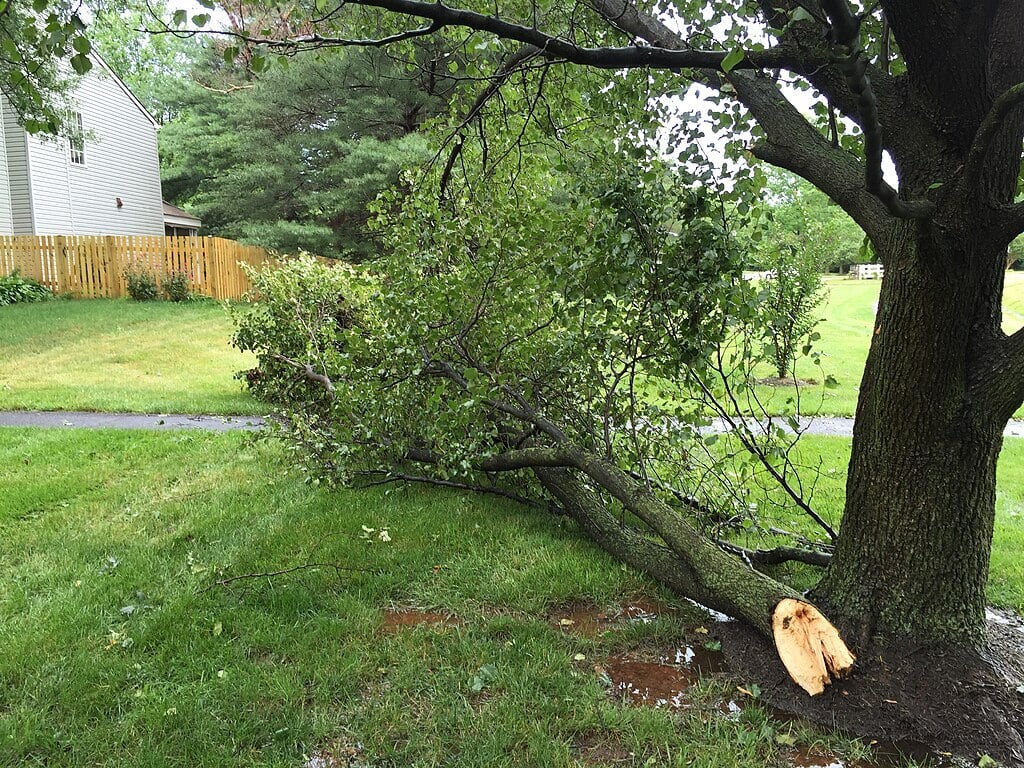
Think of it as an added measure to extend the tree’s life and decrease the safety risk for those in the vicinity if the tree or any of its limbs were to fail.
Are tree cabling and tree bracing always done in tandem?
While these techniques are often performed together, there are some instances where only one method is needed. At Good’s, we more often cable without bracing, rather than the other way around.
How do I know if a tree care company is up for the task of tree cabling and bracing?
You will want to make sure you do your research before settling on a South Central Pennsylvania tree care company for your tree care needs.
Check that the company is properly licensed, TCIA accredited,, and insured and staffed with ISA certified arborists; read reviews and testimonials from other homeowners in your area; and don’t be afraid to ask plenty of questions throughout your search.
What types of trees usually require support?
Trees like maples, elms (specifically Chinese elms), lindens, flowering pears, and certain types of conifers are the trees that most often require support, but other species may need cabling and bracing as well.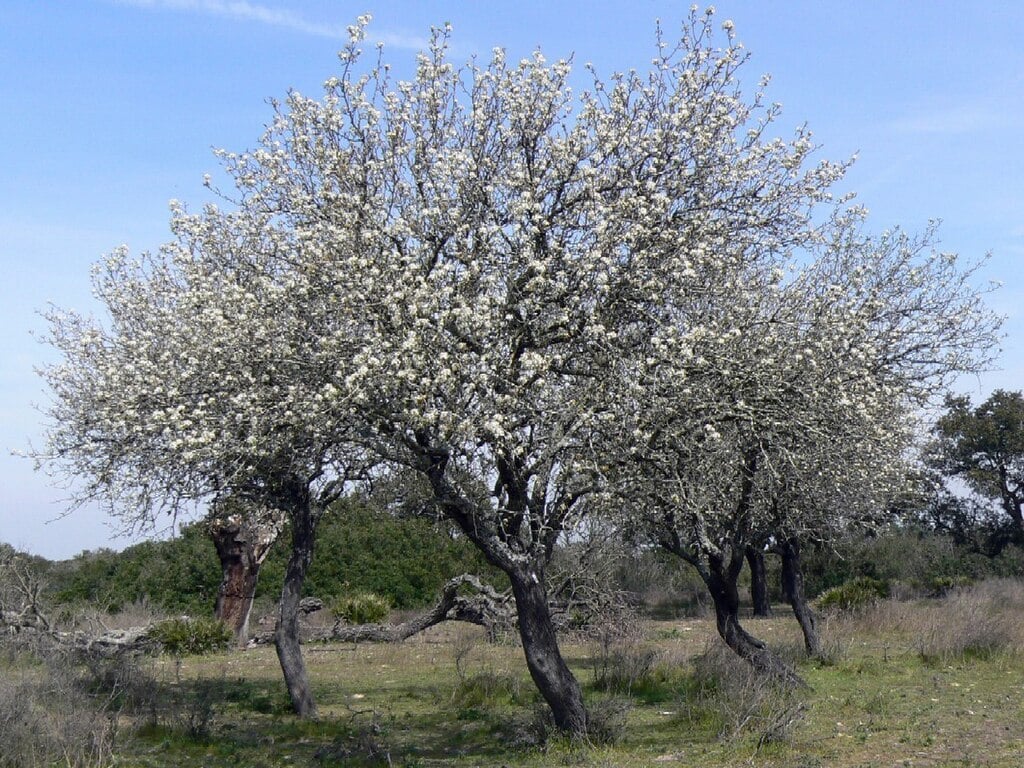
How much does tree cabling and bracing typically cost?
It depends on the scope of work, whether we need to climb a tree or use an aerial lift truck and how high up in the tree the work needs to be done. The overall cost also depends on the extent of the materials needed and their price.
Brace your Trees for The Long Haul with Good’s
To keep the trees on your property steady, strong, and safe, cabling and bracing may just be the solution your trees have been rooting for.
At Good’s, our preventative solutions help reduce risk and protect you and your South Central Pennsylvania property so you can enjoy your outdoors safely and hassle-free. Call today or request a free quote to put your tree's health in Good’s hands.

Image Sources: tree with cables, split tree trunk, broken branch, flowering pear tree

Jon Schach

.png?width=300&height=143&name=Goods%20Tree%20Care%20Logo%202%20(2).png "Goods Tree Care Logo 2 (2)")