
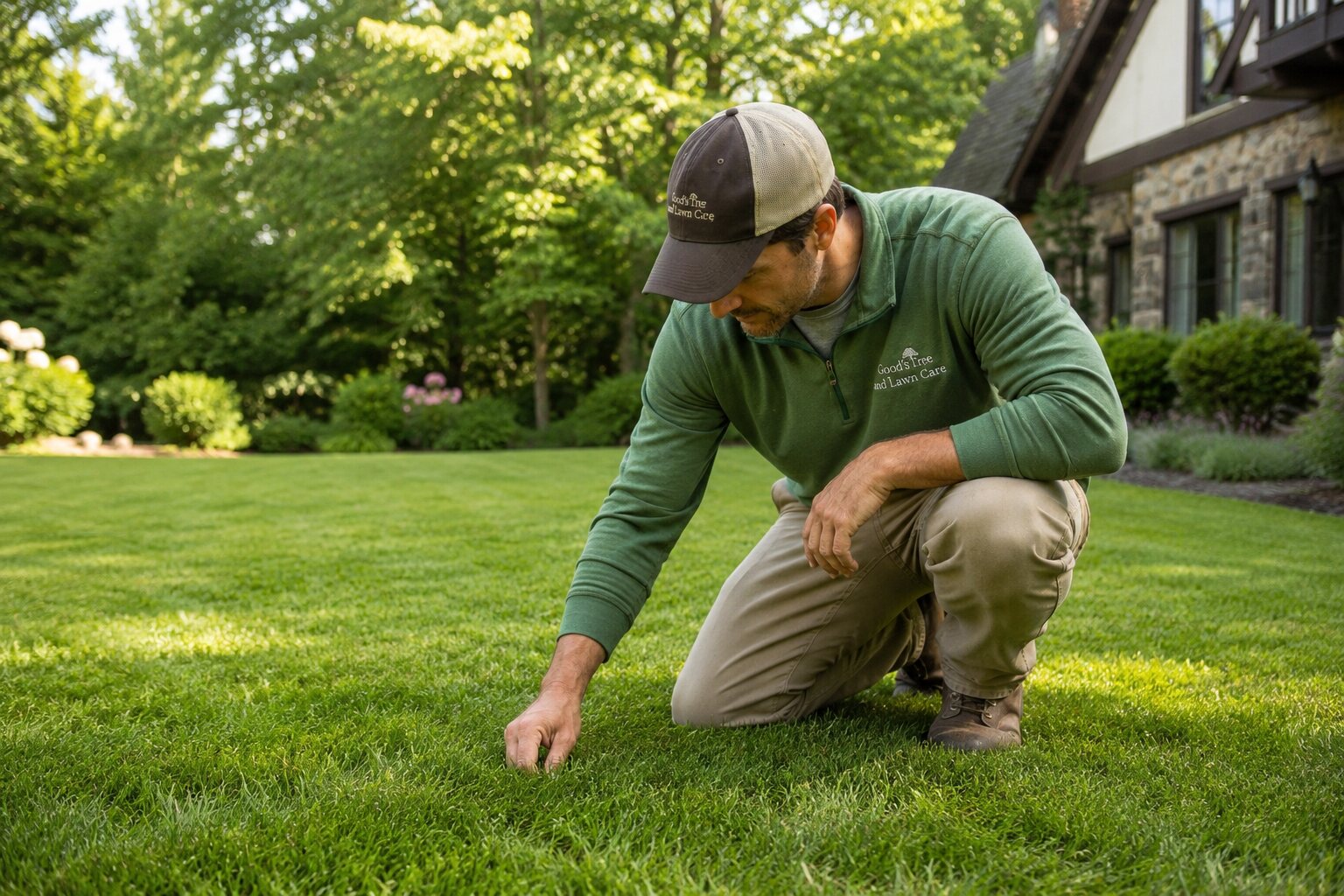
Three Tick Species, One Set of Pennsylvania Yards
Pennsylvania is home to 25+ tick species. Three are routinely encountered by Central PA homeowners and pose direct health risks. Ticks don’t jump or fly — they quest, waiting on grass and shrub edges to latch on as you brush by. Below: how to identify each species, where to expect them, and what they carry.
Reviewed by Jon Schach, ISA Board Certified Master Arborist — last reviewed 2026-05-07.
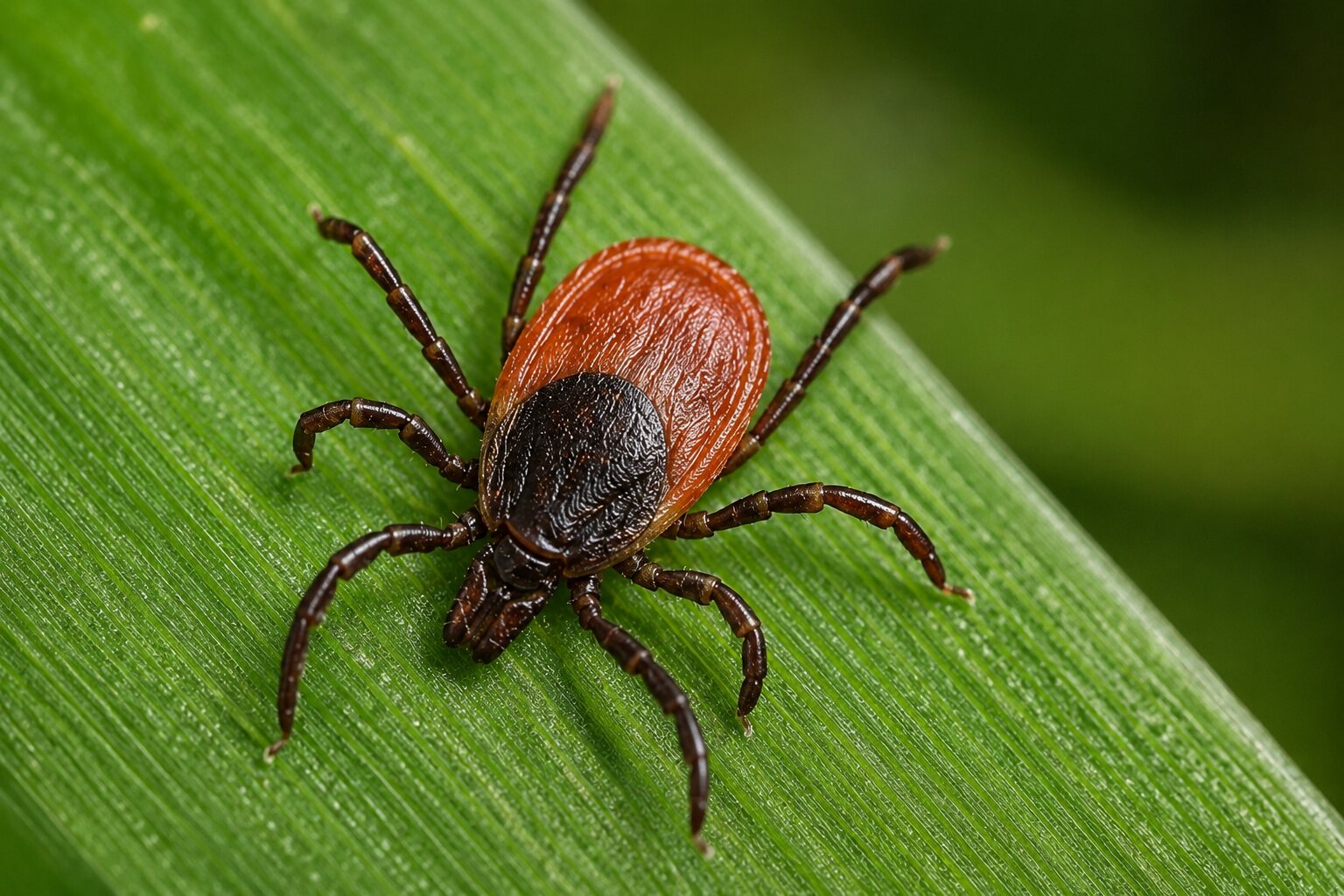
Blacklegged (Deer) Tick — Ixodes scapularis
Appearance: Orangish-brown body with dark legs. Adults are roughly ⅛ inch. Nymphs are near-invisible at pinhead size — and they bite more often than adults.
Habitat: Wooded areas, shrubs, tall grass, leaf litter, and yard edges. Present in nearly every Pennsylvania county.
Active: Any time the temperature is above 35°F — including warm winter days. Peak activity: late spring (nymphs) and fall (adults).
Diseases carried: Lyme disease, Anaplasmosis, Babesiosis, Powassan virus.
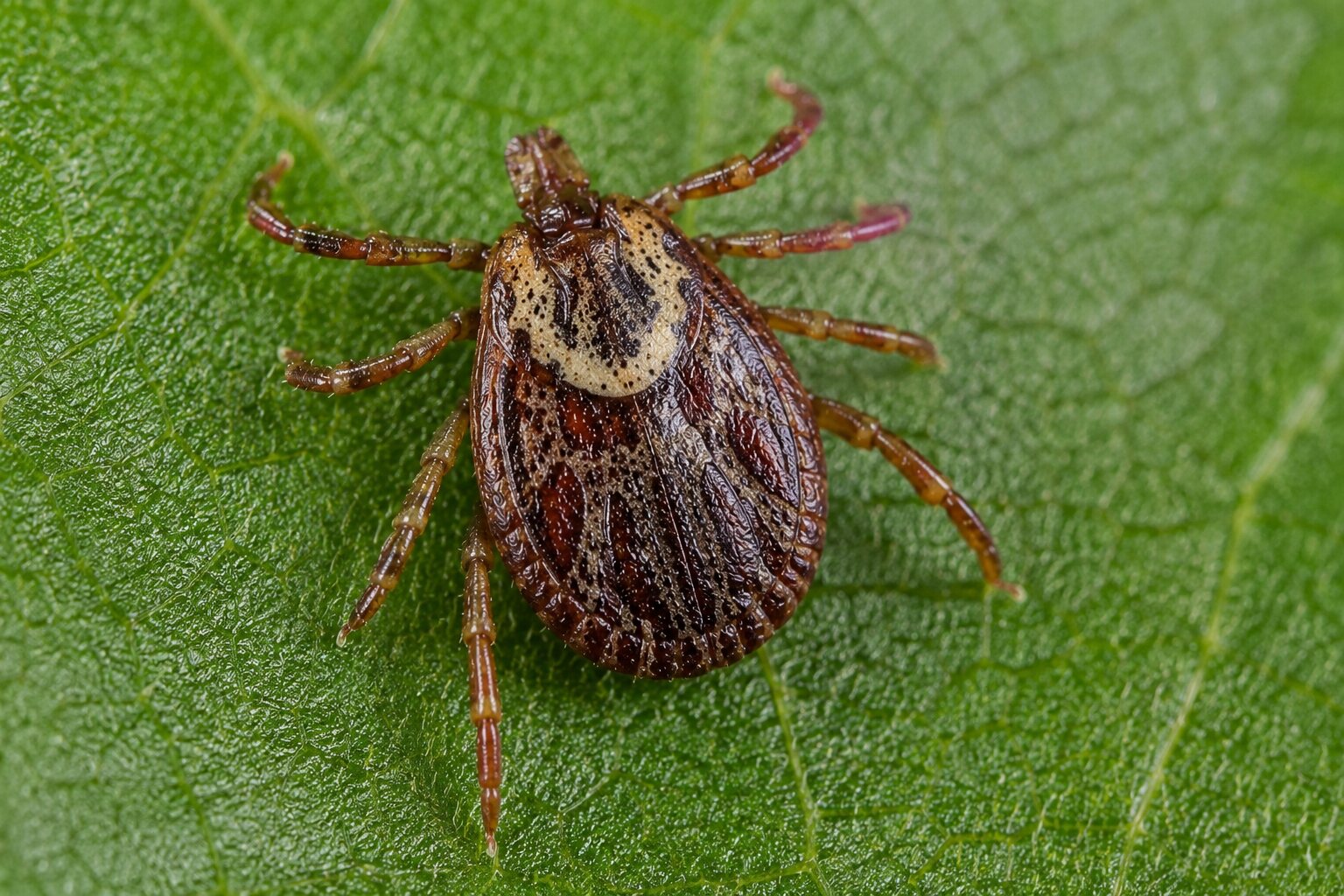
American Dog Tick — Dermacentor variabilis
Appearance: Brown body with whitish-gray mottled markings. Adults reach about 3/16 inch; engorged females swell noticeably after a blood meal.
Habitat: Tall grass, shrubby yards, open fields, and wooded edges. The most commonly encountered tick in Pennsylvania, by volume.
Active: Primarily spring through summer; adults peak through July.
Diseases carried: Rocky Mountain Spotted Fever, Tularemia.
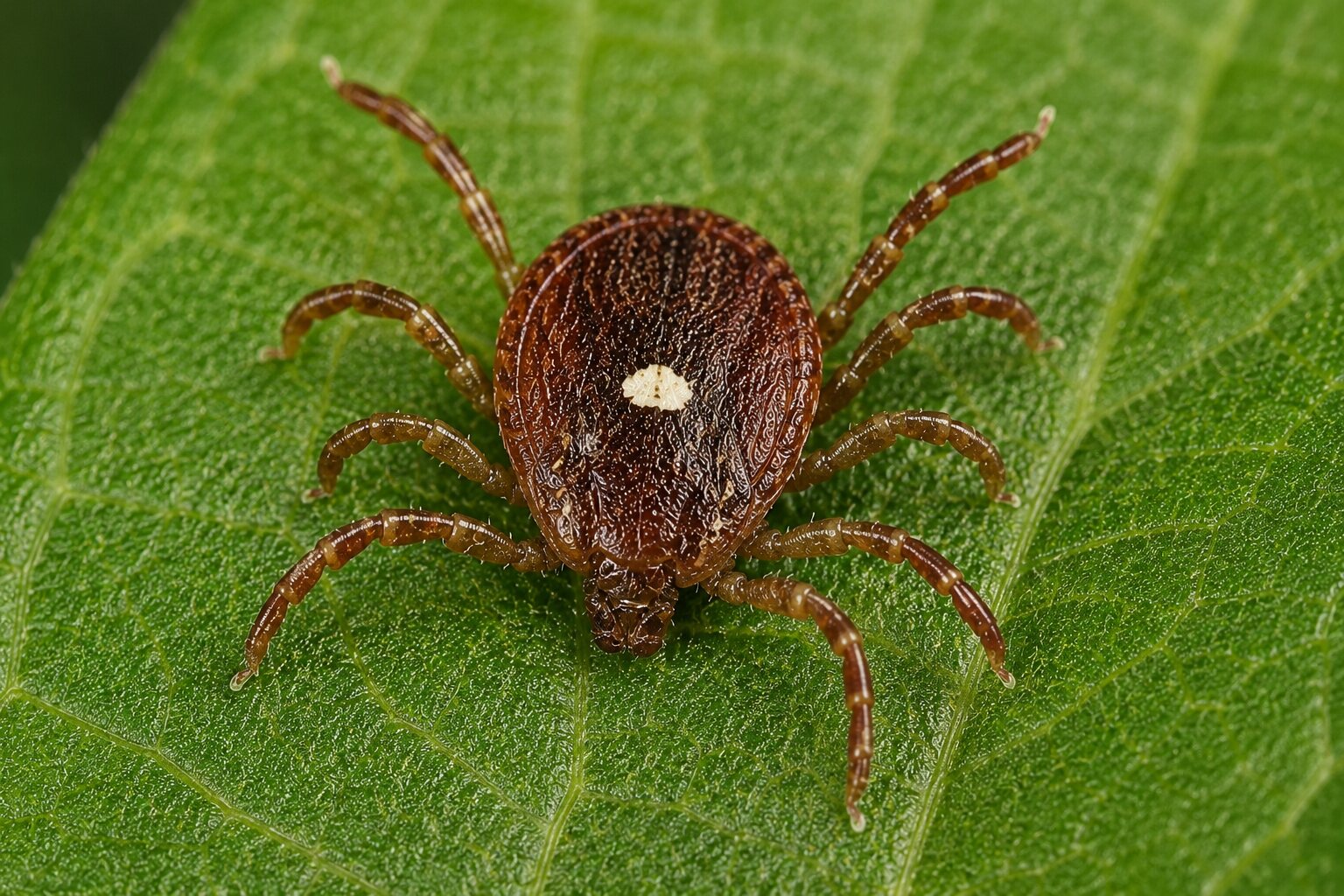
Lone Star Tick — Amblyomma americanum
Appearance: Reddish-brown body with a single white dot on the female’s back. Unlike most ticks, Lone Star ticks actively pursue hosts rather than waiting passively.
Habitat: Expanding northward in Pennsylvania; now increasingly common in Central PA yards and wooded edges.
Active: Spring through early fall; most aggressive in warmer months.
Diseases carried: Ehrlichiosis, Alpha-Gal Syndrome, STARI (Southern Tick-Associated Rash Illness).

Tick-Borne Disease Quick Reference
What each disease looks like, what tick transmits it, and what to watch for after a bite. None of this replaces a doctor’s evaluation — see your healthcare provider promptly if symptoms develop after a tick bite.
- Lyme disease — Blacklegged tick. Bull’s-eye rash, fever, fatigue, joint pain. Pennsylvania ranks #1 in the nation for reported cases. Transmission requires 36–48 hours of attachment, so prompt removal is protective.
- Rocky Mountain Spotted Fever — American dog tick. Rash, high fever, headache, nausea. Less common than Lyme, but potentially fatal if not treated quickly with antibiotics.
- Anaplasmosis — Blacklegged tick. High fever, chills, muscle aches.
- Babesiosis — Blacklegged tick. Flu-like symptoms, anemia, fatigue.
- Powassan virus — Blacklegged tick. Encephalitis, meningitis, fever. Rare but severe — can transmit in as little as 15 minutes of attachment, with no specific treatment available.
- Ehrlichiosis — Lone Star tick. Fever, headache, chills, body aches.
- Alpha-Gal Syndrome — Lone Star tick. A newly recognized, often permanent allergy to red meat triggered by tick bites. Reactions can be severe and delayed 3–6 hours after eating.


If You Find an Embedded Tick
Use fine-tipped tweezers. Grasp the tick close to the skin and pull straight out with steady pressure. Don’t twist, crush, or apply heat — those methods are more likely to leave mouthparts behind or cause the tick to regurgitate into the wound. Clean the area with rubbing alcohol or soap and water afterward.
Monitor the bite site for the next 30 days for rash, fever, or flu-like symptoms. If anything develops, see a healthcare provider promptly and let them know you had a tick bite — early antibiotic treatment is most effective.
If possible, save the tick in a sealed bag or container. Identification can help your doctor decide what to test for.