
The Tick and Mosquito Problem in South Central PA
Pennsylvania consistently ranks among the top states in the country for Lyme disease, and South Central PA is right in the thick of it. Wooded property edges, leaf litter, and tall grass create perfect tick habitat. Meanwhile, standing water in birdbaths, gutters, and tree hollows turns the rest of your yard into a mosquito nursery.
You can spray a hose bottle from the hardware store all summer and barely make a dent. Store-bought treatments are short-acting, narrowly targeted, and rarely reach the resting places where these pests actually spend their day.
We handle the whole problem, from the foliage where mosquitoes rest to the leaf debris where deer ticks wait. So you can host the cookout, walk the dog through the yard, and let the kids run barefoot without thinking twice.
A Targeted Approach, Not a Wholesale Spray
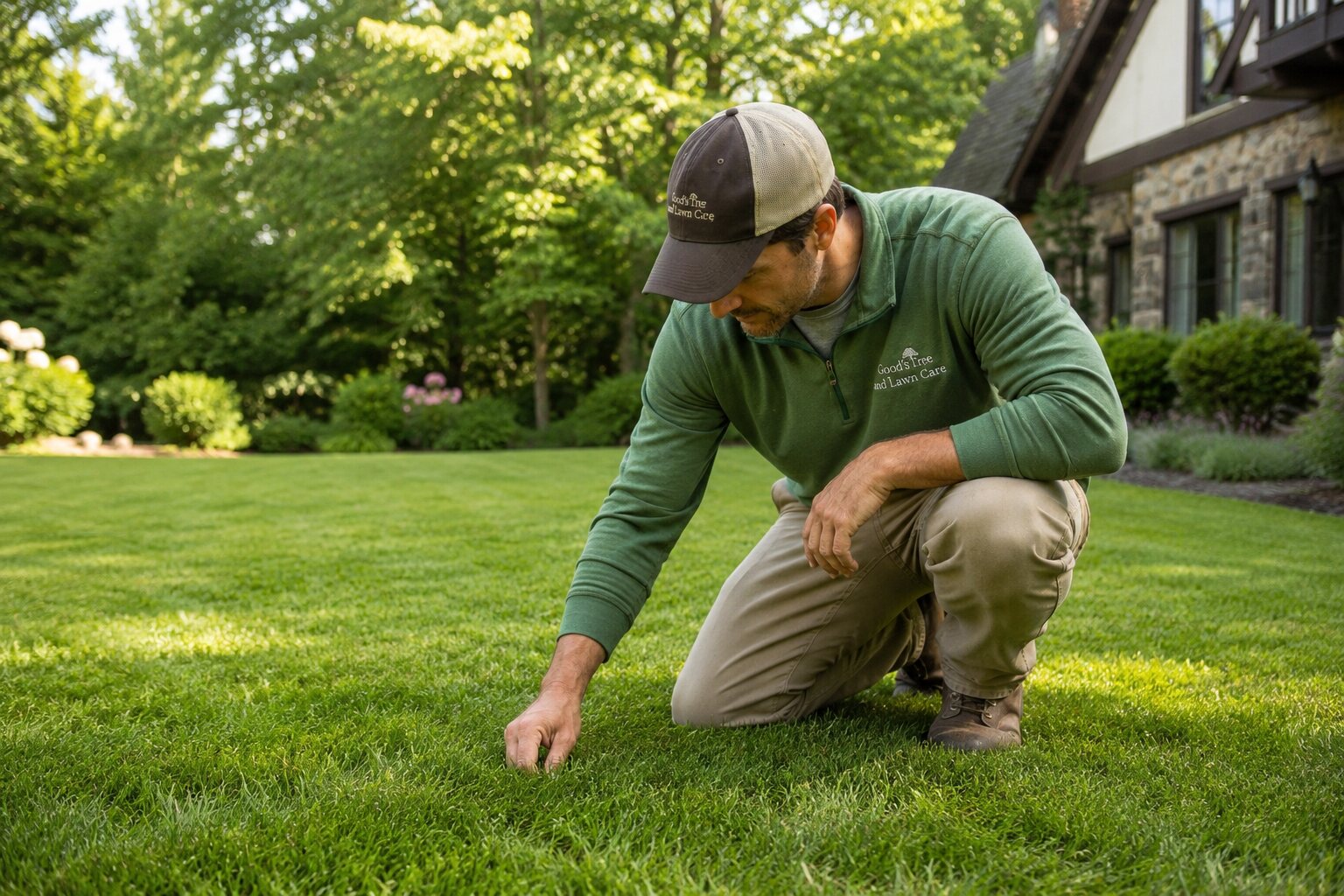
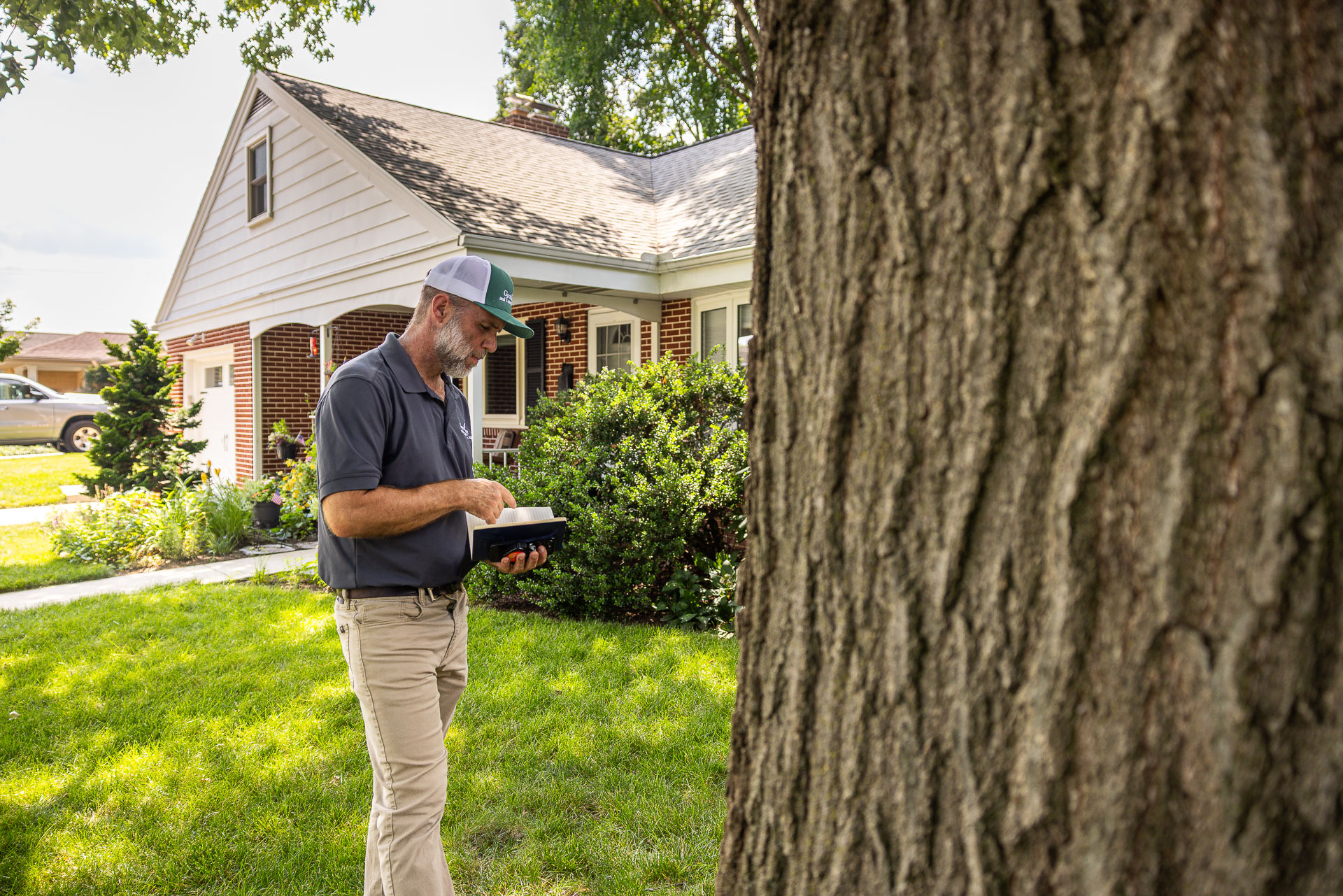
Every property is different. Before any treatment, our trained technicians walk your yard to find the breeding sites and resting habitats specific to your property, the shaded shrub beds where Asian tiger mosquitoes hide, the woodland edge where ticks hand off to passing deer.
From there, we treat the actual problem areas, tree foliage and shrub undersides for mosquitoes, ground cover and brush borders for ticks. We avoid blanket-spraying open lawn where pollinators forage. The result: the pests are gone, but the bees and butterflies you actually want stay put.
For tick management, we also recommend habitat changes that pay off long after the spray is gone, clearing leaf litter, creating a 3-foot mulch barrier between lawn and woods, and pruning back overgrown shrubs that trap humidity.

One Team, One Visit, One Bill
Most pest companies don’t know your trees. Most tree companies don’t handle pests. We do both, which means our ISA Certified Arborists® see the full picture of what’s happening in your yard, and we can coordinate tick and mosquito treatments alongside your existing plant health care or lawn schedule.
That’s fewer trucks in your driveway, one consolidated invoice, and a single team who already knows your property. If you’d prefer all-natural or pollinator-conscious treatments, we offer those too, your service plan is built around your preferences, not ours.
Four Layers of Tick Protection
Ticks aren’t a single problem with a single answer. They live in different places at different life stages — in mouse nests, on woodland edges, in thatch and leaf litter — and the most reliable way to keep your property protected is to treat each layer at the right time. Each layer compounds the others, so a property in its second or third season of treatment ends up with significantly fewer ticks than any single approach can deliver alone.
Wood Chip Barrier Berm
Habitat management. A 3-foot-wide border of wood chips placed between your lawn and any adjoining wooded area creates a physical barrier ticks are reluctant to cross. The dry, sun-exposed conditions are inhospitable to them, which moves the high-risk lawn-to-woods edge away from your living and play areas.
It works passively, with no chemicals, and lasts for years with minimal upkeep. We install in spring and refresh as the chips break down.
Tick Tube Placement
Targeted rodent-host treatment. Biodegradable tubes filled with permethrin-treated cotton get tucked into the brushy edges where mice nest. The mice carry the cotton back to their burrows for bedding, which treats the rodents and their nests — and breaks the Lyme cycle at its larval source.
White-footed mice are the primary Lyme disease reservoir in Central PA. Treating them reduces the number of infected nymphs the following season. Tubes are deployed twice per year — once in spring, once in late summer.
Perimeter Spray
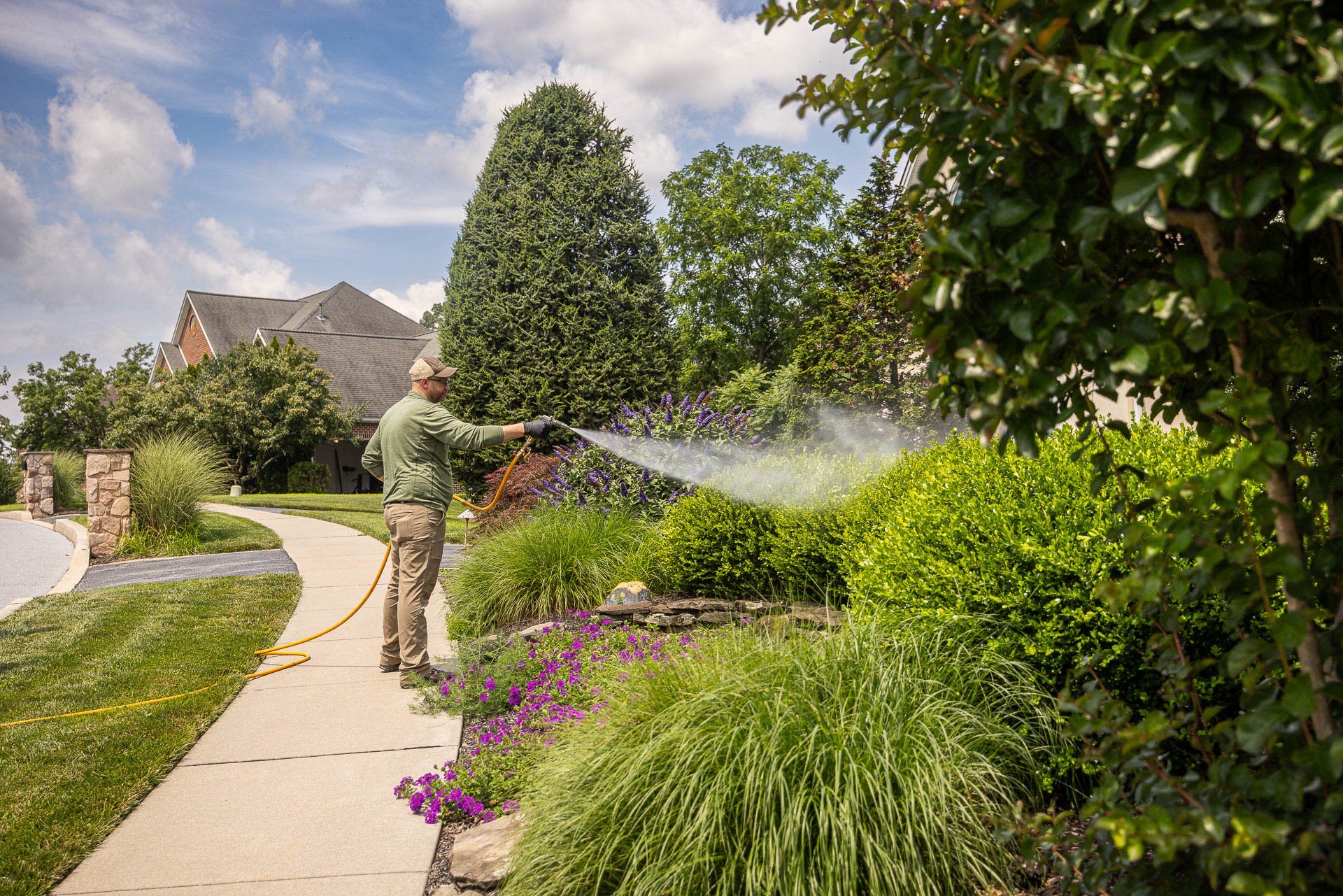
Botanical barrier treatment. A monthly botanical or low-impact spray along property perimeters — shrub bases, ornamental beds, and the lawn-to-woods transition — targets the zones where ticks concentrate and quest for hosts.
The application creates a treated buffer between wild habitat and the parts of the yard your family actually uses. We apply March through October, scheduled to track each seasonal surge in tick activity.
Lawn Tick Treatment
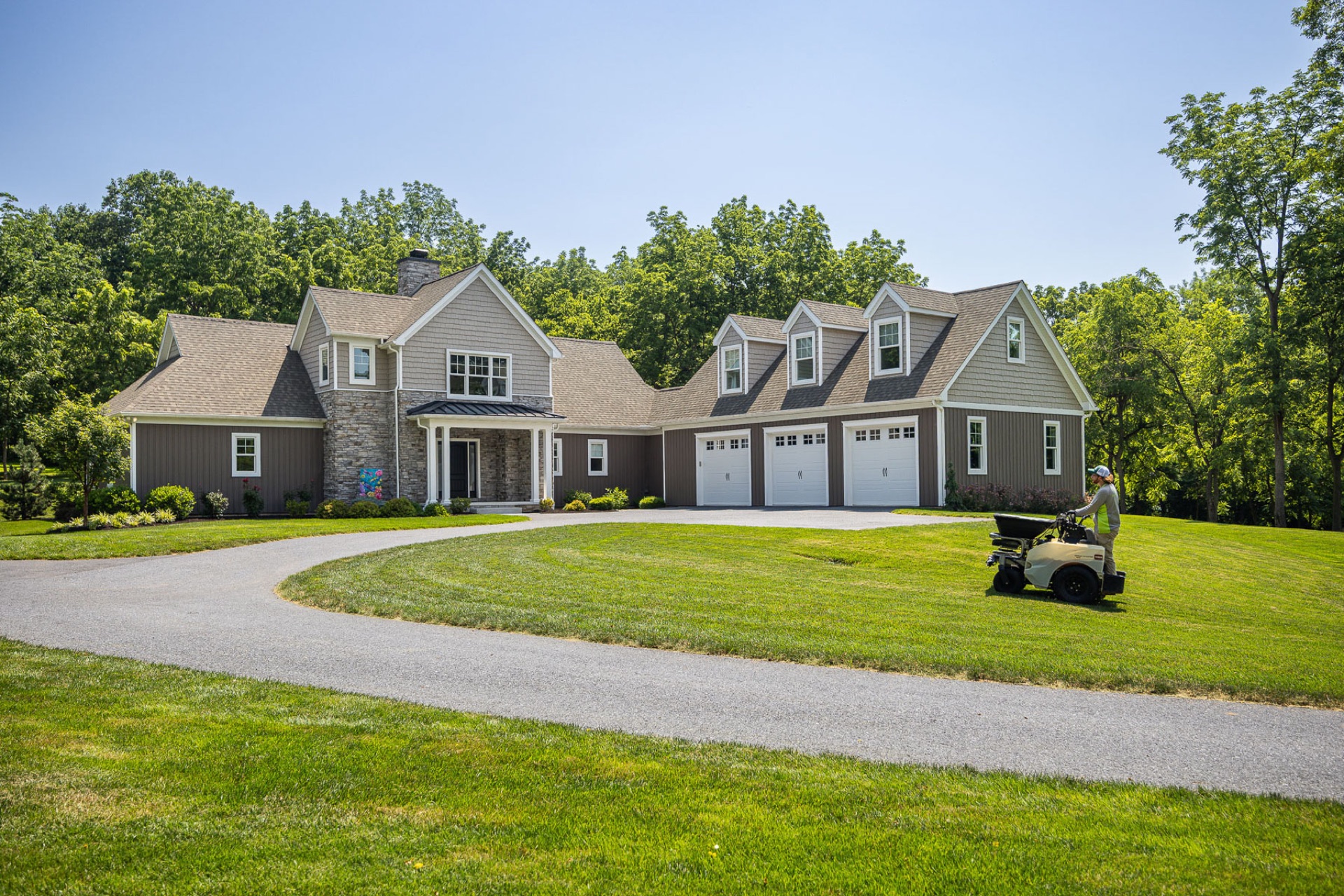
Broadcast lawn application. Granular or liquid applications target the thatch layer during peak nymph season — the hardest-to-spot life stage, and the one most likely to bite kids and pets. Four treatments per season, timed to each surge in tick activity.
This is the layer that protects the open turf where your family spends the most time — back yards, play areas, and the part of the lawn between the house and the wooded edge.

When We Treat — A Central PA Tick Calendar
Tick pressure in Central PA is not constant — it rises and falls with the seasons, and each layer of our program is timed to match.
- March: wood chip barrier installed and refreshed; first round of perimeter spray begins.
- April – June: first tick tube deployment, first lawn tick treatment, monthly perimeter sprays.
- July – August: peak nymph season — second lawn tick treatment, second tick tube deployment, perimeter spray continues.
- September – October: third and fourth lawn tick treatments target adult ticks, perimeter spray continues until the first hard frost.
Every property is different — your treatment calendar gets adjusted for canopy, woodland edge length, deer pressure, and how the family uses the yard.

Want to know what’s biting in PA?
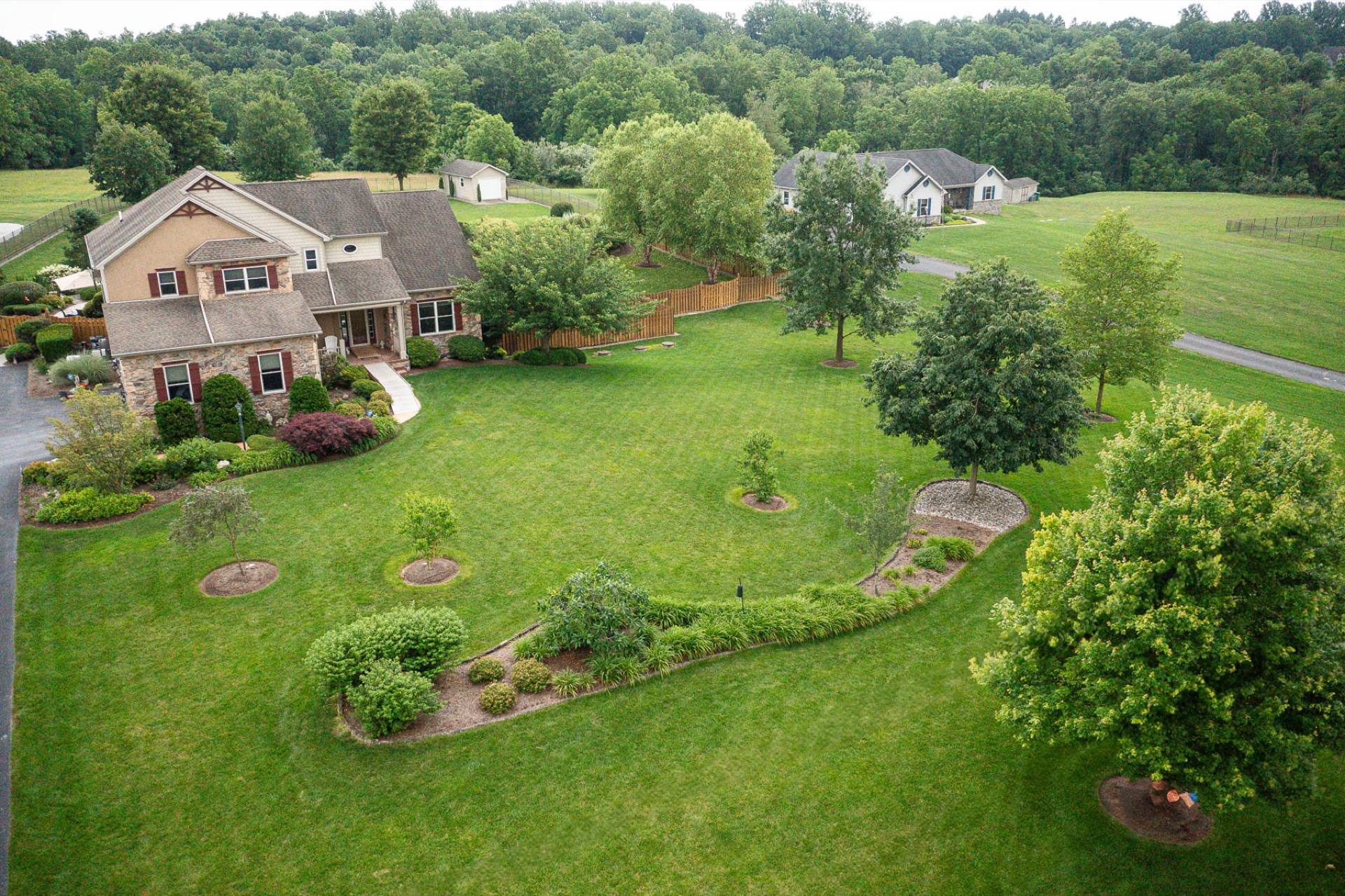
Pennsylvania ranks #1 in the nation for reported Lyme disease cases, and three tick species do most of the damage in Central PA yards. Our Tick Awareness Guide covers species ID, the diseases they carry, and what to do if you find an embedded tick.
Frequently Asked Questions
Are these treatments safe for kids and pets?
Yes, we use EPA-registered products applied at label rates, and the treatment dries within an hour. We recommend keeping pets and kids off the treated area until it’s dry, and we’ll text before each visit so you can plan around it.
What about bees and butterflies?
Pollinator safety is a real concern, and one we take seriously. We avoid blanket-spraying open lawn, treat in the early morning when bees are less active, and skip flowering plants in bloom. We also offer all-natural treatment options for properties that want zero synthetic exposure.
How quickly will I notice a difference?
You’ll see a major drop-off within 24–48 hours of the first treatment. Mosquito populations stay suppressed for about three weeks; ticks for longer. We time follow-up visits before the protection lapses, no gaps.
Can I just have one treatment before a party?
Absolutely. For weddings, graduations, or backyard events, we can come out for a single special-event treatment 24–48 hours before. Our Complete Outdoor Comfort package includes one per season; one-off treatments are available any time.
Do you handle ticks specifically, or is this just for mosquitoes?
Both, with different methods. Mosquitoes get a foliar barrier spray on resting habitat. Ticks get a combination of woodland-edge treatment and tick tubes, cardboard tubes filled with treated cotton that mice carry into their nests, where most lawn ticks get their next blood meal. The result is a measurable drop in tick population over a season or two.
What’s included in the property inspection?
We walk the entire property looking for mosquito breeding sites (standing water, clogged gutters, tree hollows), tick habitat (leaf litter, brush, woodland edges), and resting areas (shaded foliage, dense shrub beds). Then we build a treatment map specific to your yard, no guesswork, no one-size-fits-all spraying.
What if it rains?
Our treatments are rain-fast within an hour of application. If a rare storm comes through earlier than expected and we lose coverage, we’ll come back out, no charge, no questions.