
Why Compacted Soil Hurts Your Trees
Healthy tree roots need air pockets in the soil to breathe and absorb water. When soil gets compacted — by construction equipment, foot traffic, parked cars, or just years of clay-heavy Central PA earth settling — those air pockets collapse. The roots suffocate slowly, and the tree shows it from the top down.
Watch for these signs in mature trees:
- Premature fall color or early leaf drop
- Smaller leaves than the species typically grows
- Sparse, thinning canopy
- Surface roots pushing up through the lawn
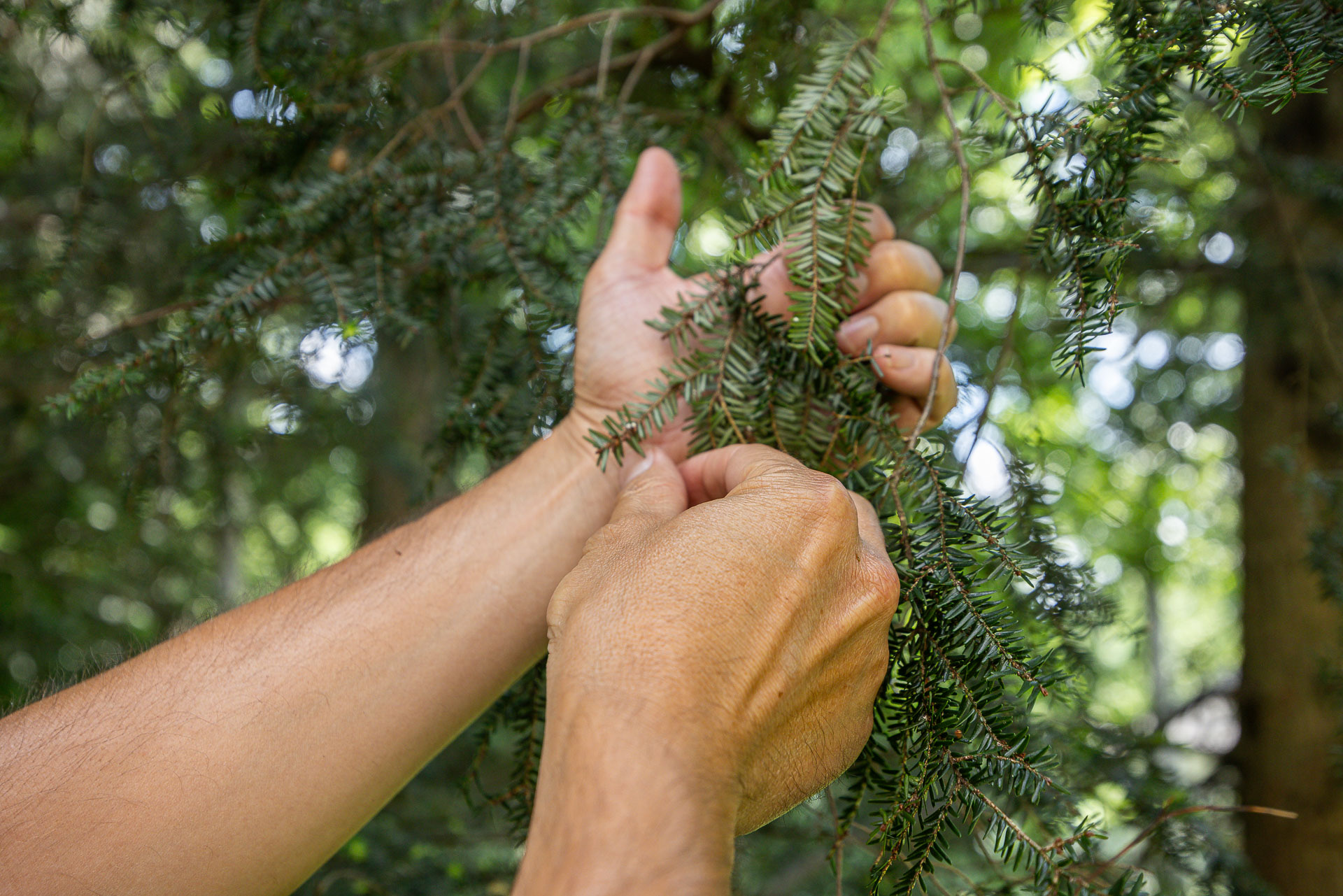
- Slow recovery from drought, heat, or pest pressure
- Recent construction, paving, or grade change near the tree
If two or more of these are present, the soil under your tree is almost certainly part of the problem.

How Air Spading Works
Air spading is a four-step process — controlled, deliberate, and built around protecting the roots while we work.
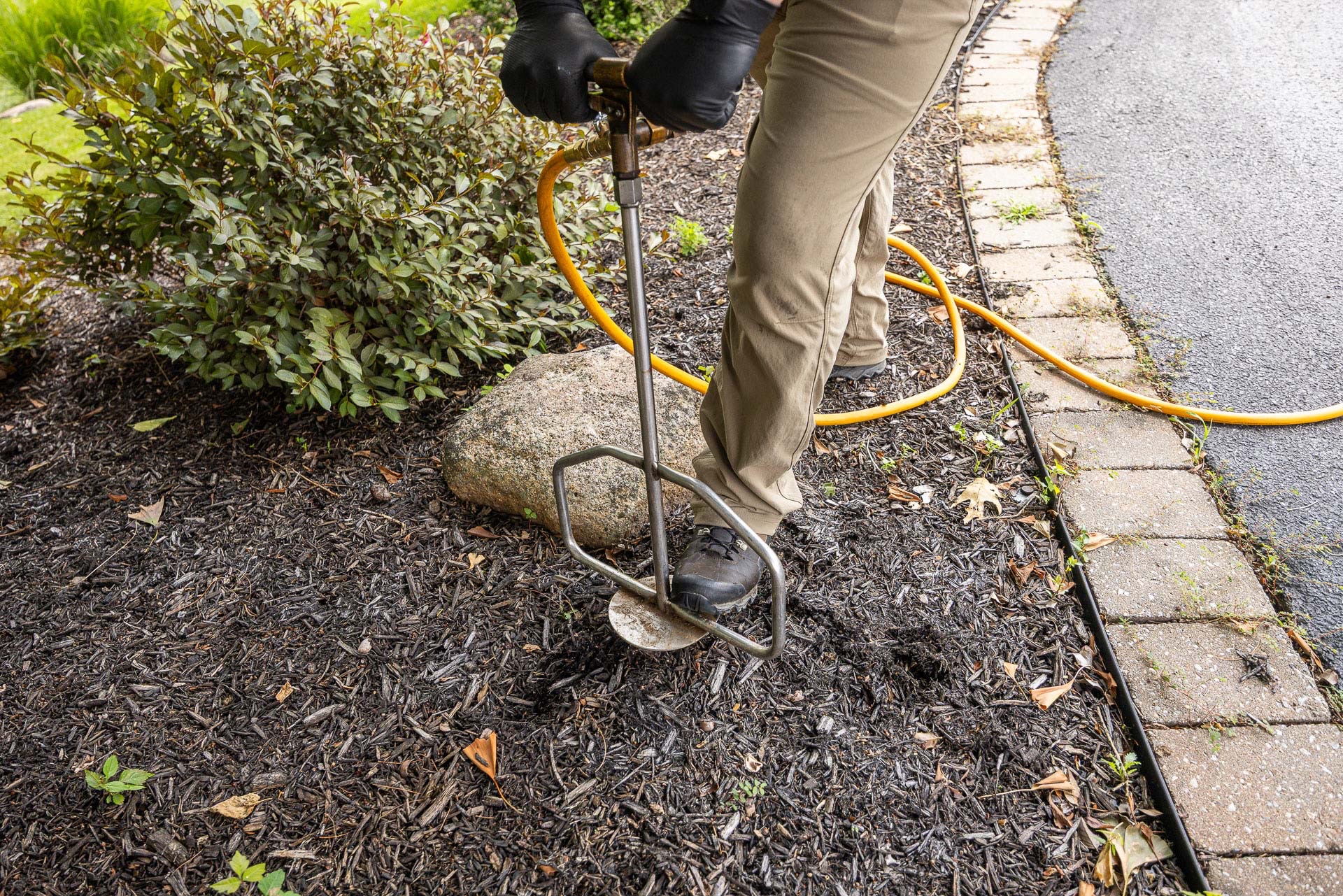
- Compressed-air excavation. A specialized tool delivers a focused jet of high-pressure air that breaks up compacted soil without cutting, slicing, or bruising the roots beneath.
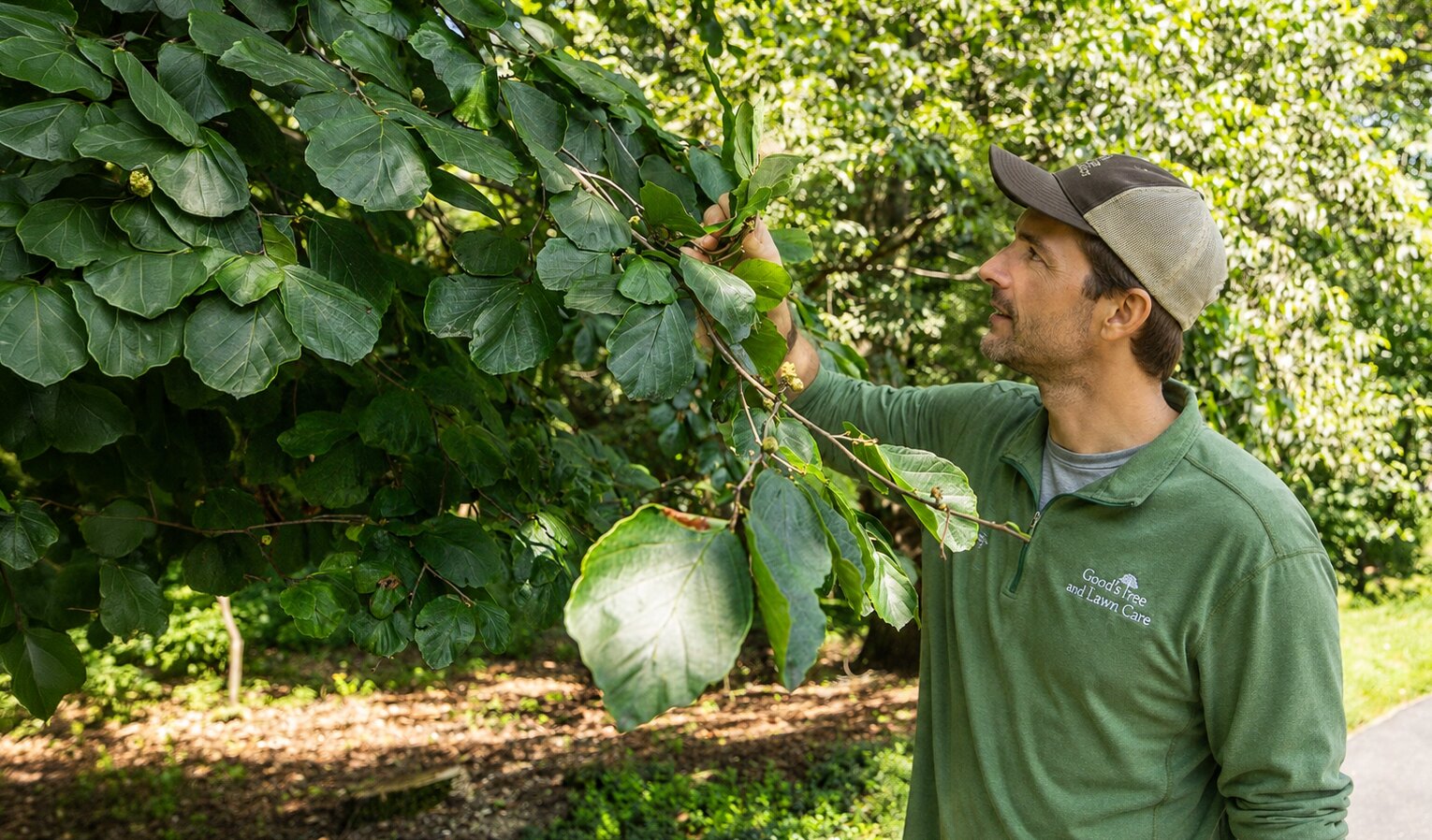
- Root zone mapping. As the soil clears away, our arborist evaluates the structure of the root system — looking for girdling roots, decay, or buried root flares that need to be addressed.
- Soil amendment. We backfill the area with a custom blend of compost, biochar, or screened topsoil based on what the tree needs and what the soil test shows.
- Reduced root damage. Compared to mechanical excavation or hand-digging, air spading is the gentlest method available for root-zone work — which means a faster recovery for the tree.

When We Recommend Air Spading
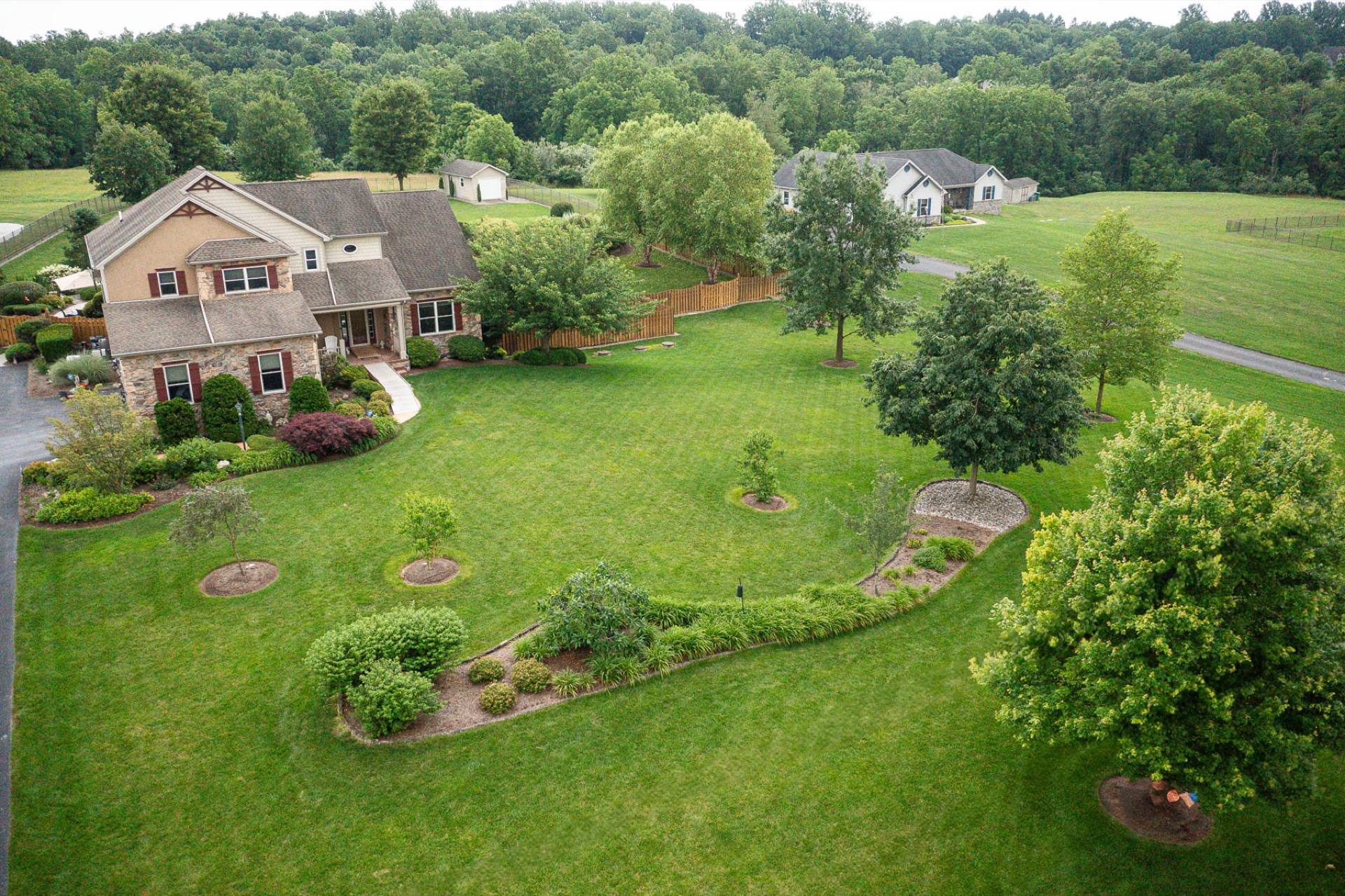
Most properties don’t need air spading. The trees that benefit most have one or more of these conditions:
- Recent construction damage. Heavy equipment, grade changes, and trenching near the trunk can compact the soil for years afterward.
- Declining mature trees. Especially oaks, maples, beech, and other long-lived species that show subtle decline without an obvious pest or disease cause.
- Hardpan or heavy clay soil. Common in older Lancaster, Cumberland, and Dauphin County neighborhoods built on graded fill.
- Buried root flares. Trees planted too deep, or buried by years of mulch volcanoes, often need the flare exposed and the upper roots evaluated.
- Urban specimens. Trees in tight planting strips, near patios, or surrounded by paving frequently develop compaction problems.
If you’re not sure whether your tree is a candidate, the safest move is a property visit — our arborists will evaluate compaction, root flare condition, and soil texture before recommending anything.