.png?width=429&height=204&name=Goods%20Tree%20Care%20Logo%202%20(2).png)
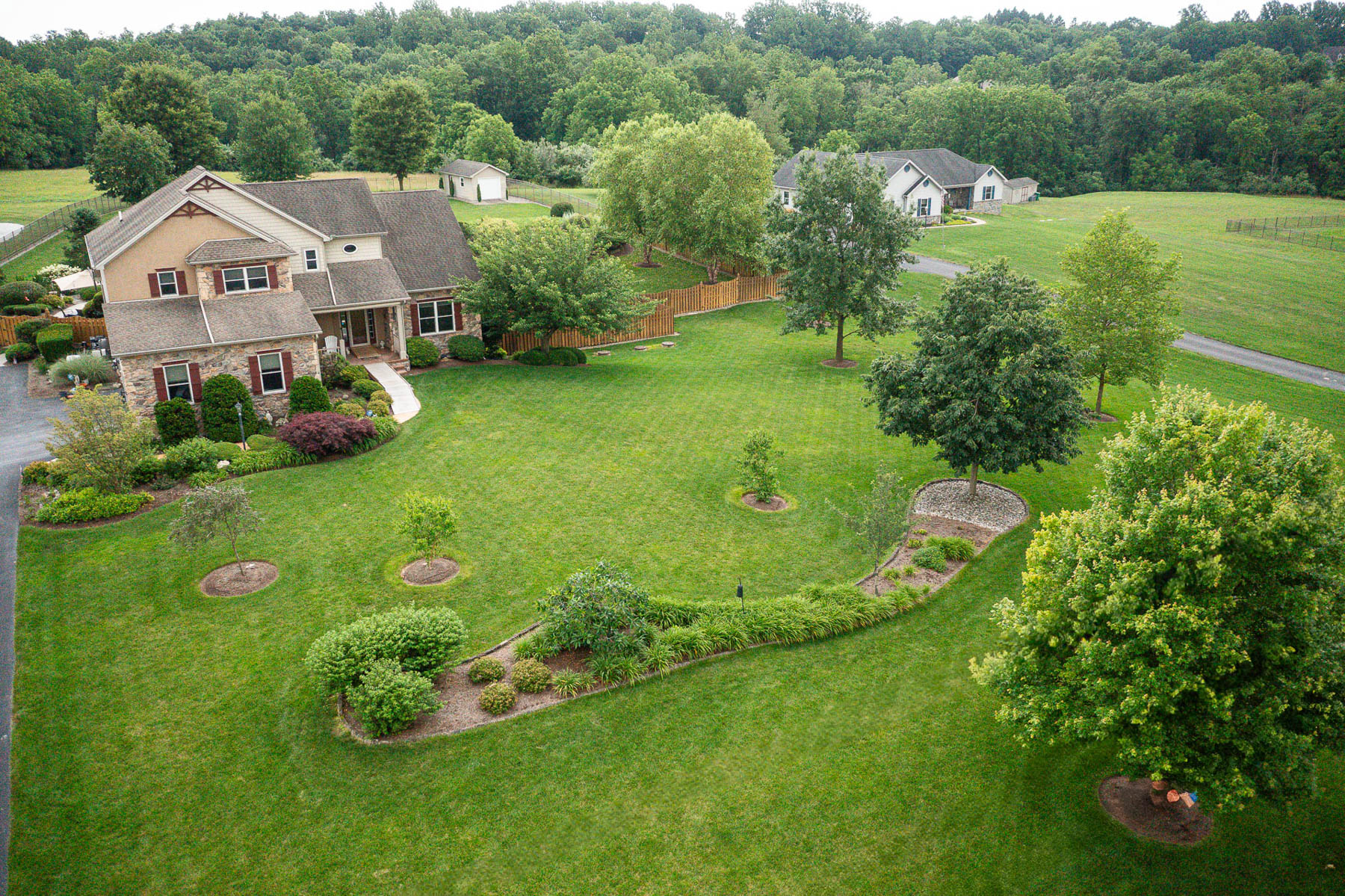

A good lawn doesn’t simply happen by chance.
A healthy, lush lawn is the result of intentional, well-timed care and knowing what your grass needs and when it needs it.
Check out our guide to learn the lawn care basics in South Central Pennsylvania, so you can care for your lawn through every season and enjoy having the greenest grass on the block.
Jump To:
The Lawn Care Fundamentals
Types of Grass in Pennsylvania
Types of Soil in Pennsylvania
Common Lawn Problems in South Central PA
Lawn Care by Season in South Central PA
Signs Your Lawn Needs Professional Help
FAQs About Pennsylvania Lawn Care
Choosing Good's for Lawn Care
What a Healthy Lawn Really Needs
Cultivating the perfect lawn in South Central Pennsylvania is like crafting a delicious recipe: you need just the right blend of ingredients.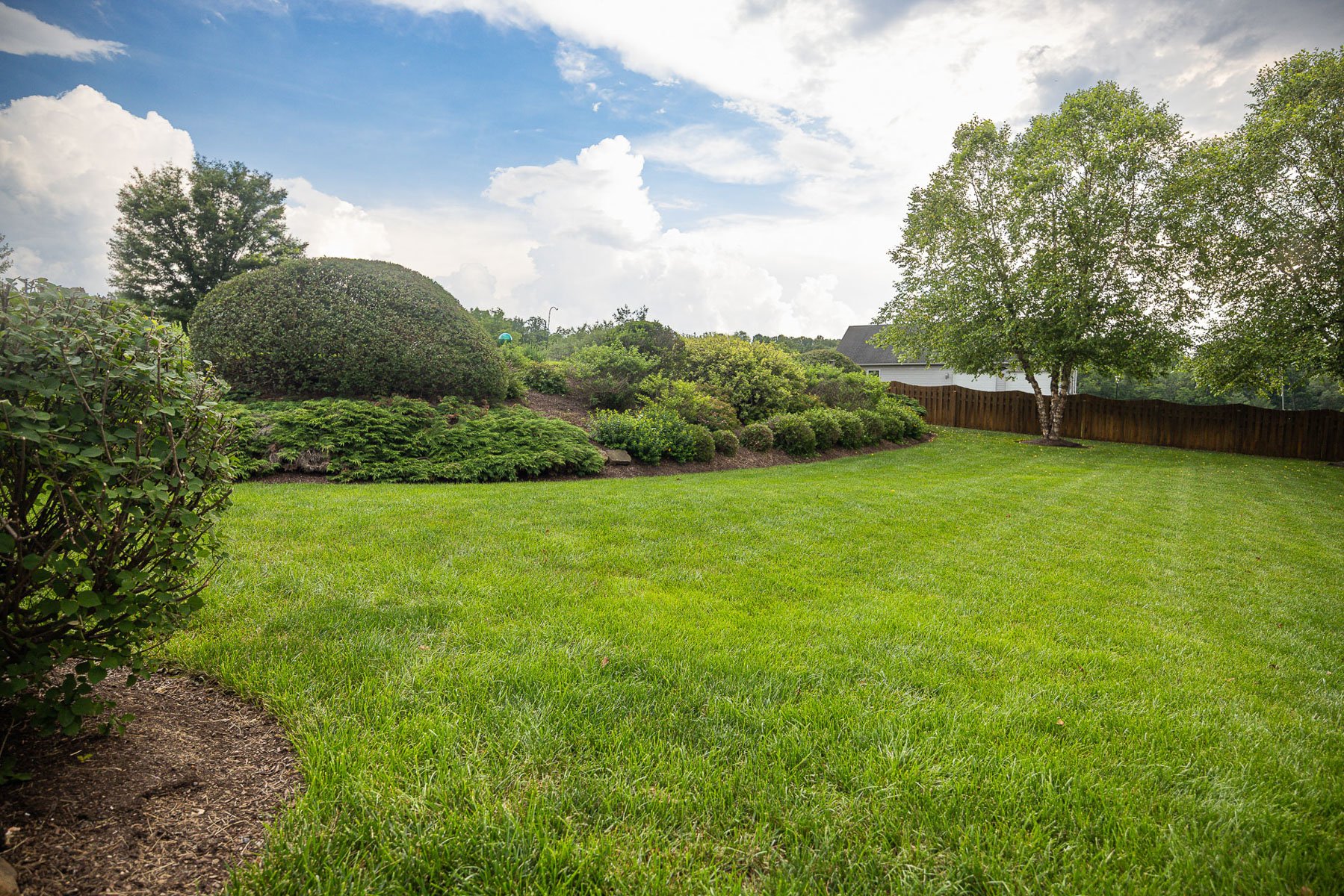
It just so happens that those essential ingredients include plenty of sunlight, consistent watering, proper mowing practices, and the right mix of fertilizer.
Let’s take a look at how each of these elements comes together to create a thick, lush lawn that’s green enough to be the envy of all your neighbors.
Sun, Water, Mowing, and Fertilizer: The Lawn Care Fundamentals
Sun
While it’s true that grass needs plenty of sun to survive, you want to have a good balance of sun and shade throughout your yard.
For optimal growth, grass needs around four to six hours of sunlight per day.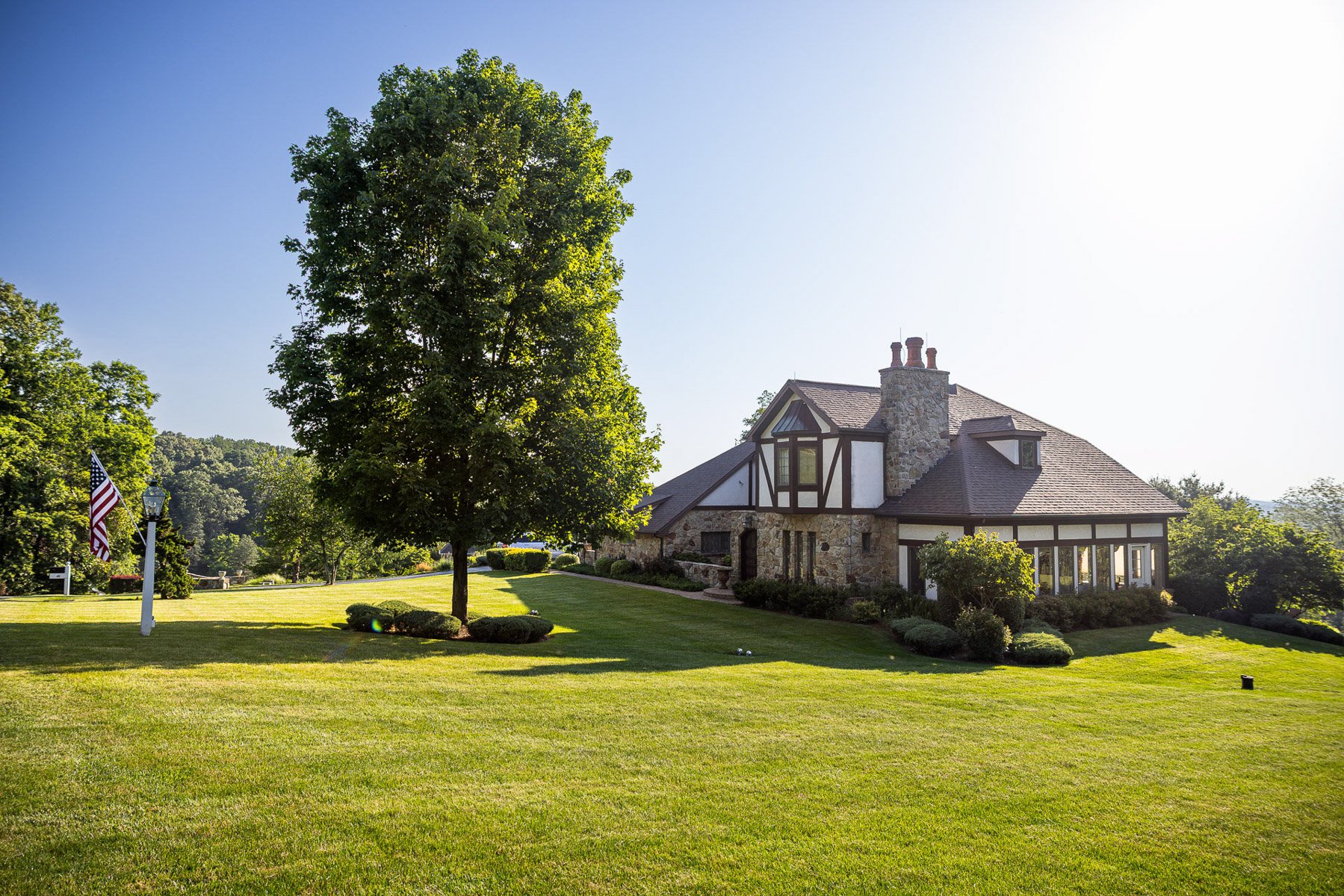
So, if you have a heavily shaded lawn or lots of trees on your property, you may notice that it’s harder to grow grass or that your lawn is a little thinner near the trees.
On the other hand, if you have no shade on your property, it’s likely that your grass burns out more quickly in the hot summer conditions common in South Central Pennsylvania.
Water
As simple as it may seem, there is a right and a wrong way to water your lawn.
Done correctly, watering is a good way to keep your lawn in shape. However, too much or too little water can have negative effects on your yard.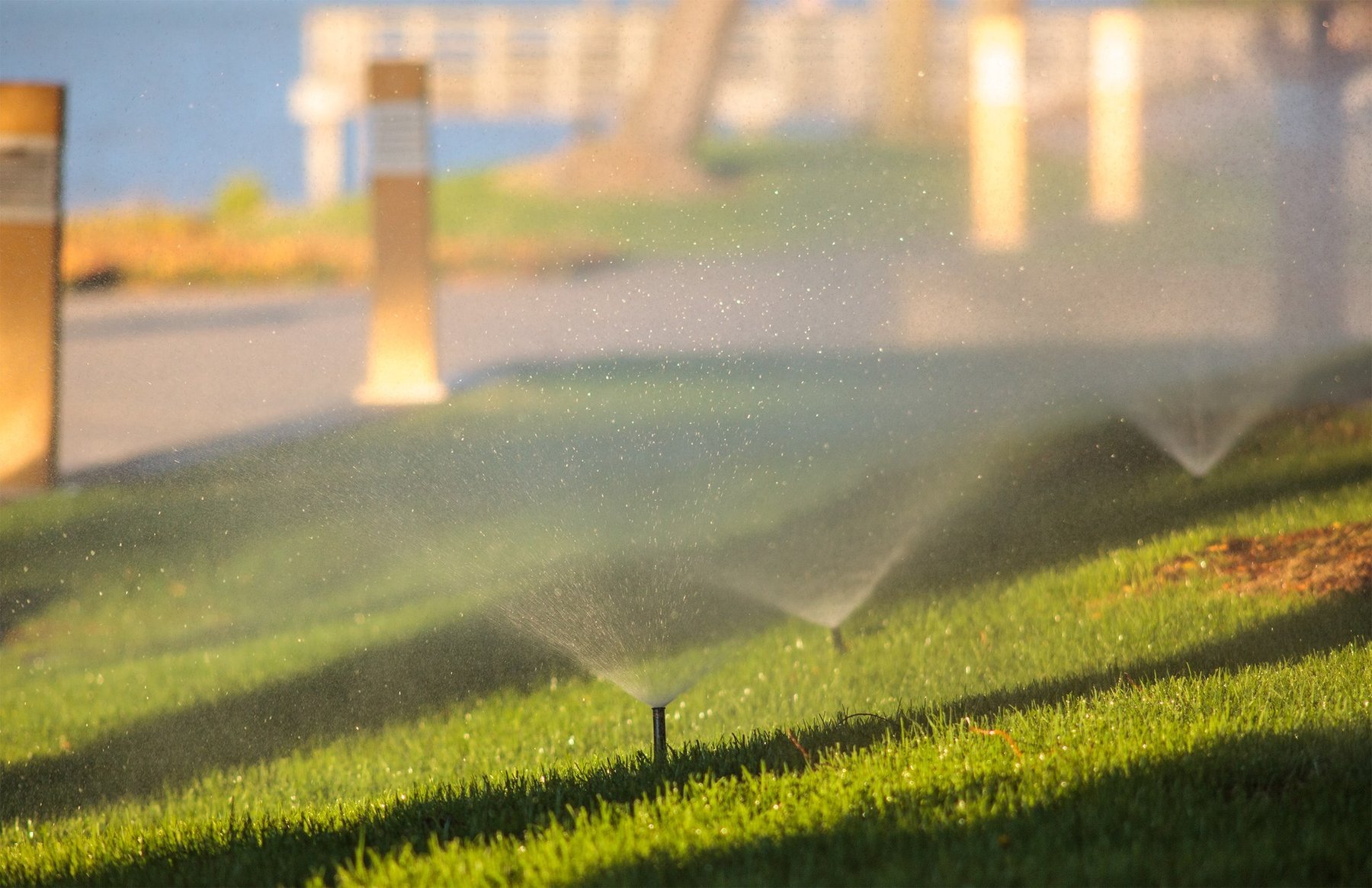
For instance, underwatering can cause your lawn to suffer from drought stress, which can happen during the hot, dry summer months, causing your grass to become wilted, brown, and thin. If you have areas in your lawn that typically burn out, it’s a smart idea to be proactive and put out sprinklers ahead of hot, dry periods and water your lawn a couple times each week.
On the other hand, watering too much can allow certain diseases like root rot to take hold as the fungi that cause the disease thrive in wet, humid conditions.
Mowing
Learning how to mow your lawn properly is also a very crucial step in keeping your lawn healthy.
During the summer, you will want to keep it between 3 and 4 inches tall. The only exception to this rule is right before the first snowfall in winter, when you should cut the grass to a height of between 2 inches and 2.5 inches to prevent diseases like snow mold.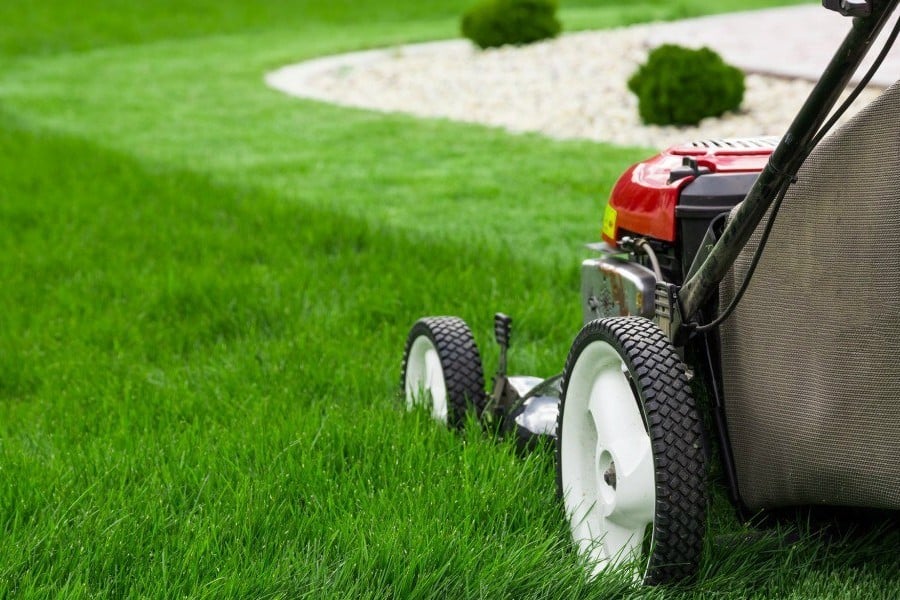
You will also want to try to mow your lawn frequently and only cut off a little bit of your grass each time. A general rule of thumb is to never cut more than one-third of the grass blade off. This is important for a couple reasons:
- Mowing off long lengths of the grass blade at one time stresses out your lawn, making it more susceptible to weeds, pests, and disease.
- Cutting off big chunks of grass when mowing can also create large quantities of clippings, which can contribute to a thatch layer that’s too thick. If the thatch layer becomes too thick, your grass will be unable to access the water, air, and nutrients it needs to be healthy.
Fertilizer
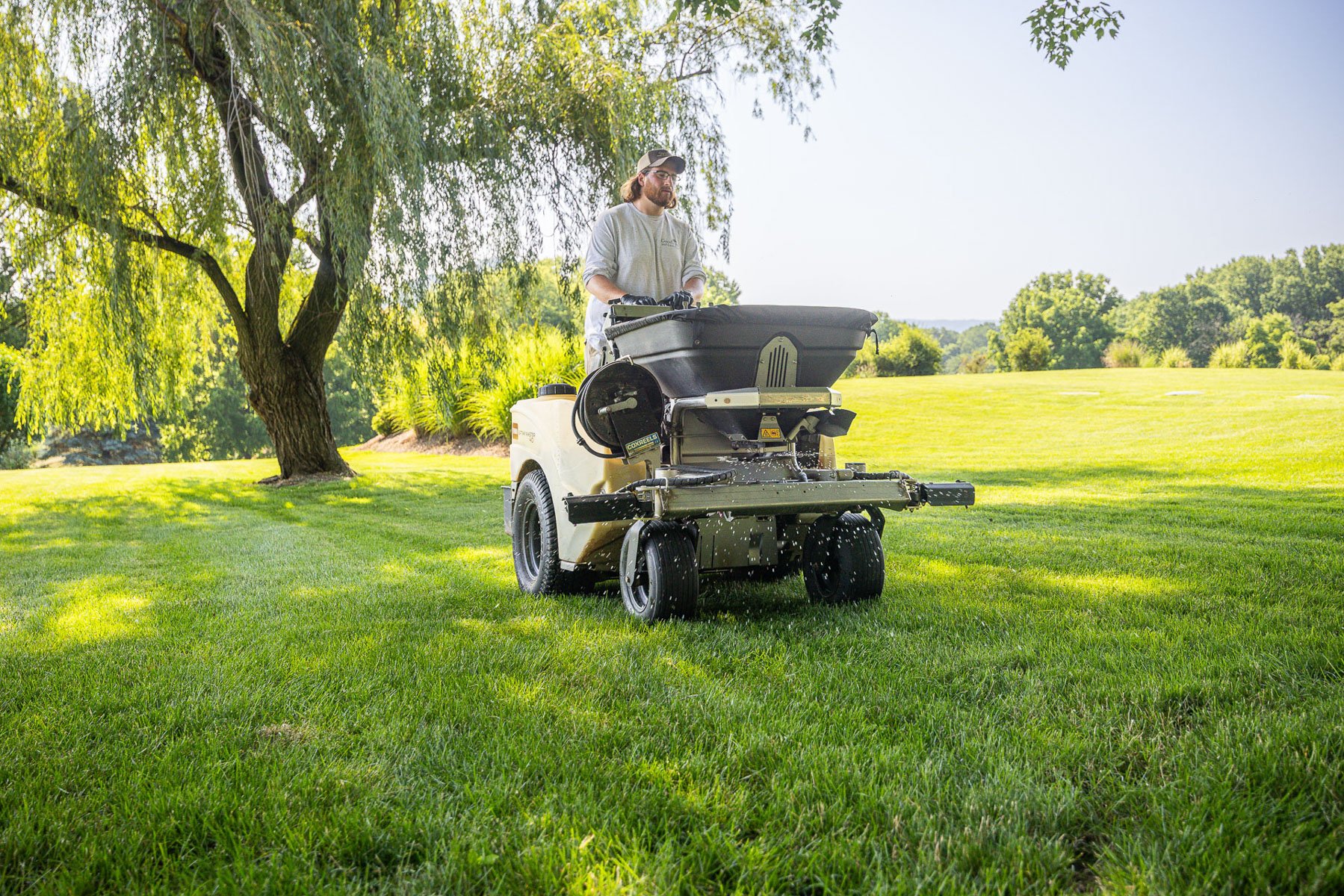
Finally, fertilizer provides your grass with the food and nutrients it needs to thrive. Not only that, but fertilizing your lawn also helps bolster its strength so that it can fend off diseases, weeds, and pests that may invade your yard.
At Good’s, our lawn care program includes several fertilization applications throughout the season, each serving its own purpose:
- Spring - helps lawns come out of dormancy
- Early Fall - helps bring lawns back after summer stress and helps prepare them for winter
- Late Fall - give root systems something to feed on over the winter and provides a head start for getting out of dormancy in spring
Understanding Your Lawn’s Conditions
Helping your lawn thrive goes deeper than simply knowing what it requires to survive. It also comes down to understanding what your lawn is made of.
Types of Grass in Pennsylvania
Not all grass is created equal, and in Pennsylvania, there are several different types of grass you should be aware of.
Tall Fescue
Tall fescue grass is a coarse grass that usually grows in clumps and can be medium to dark green in color. Adaptable to varying conditions like drought, shade, and heat, tall fescue tends to hold water better than other types of grass.
Ryegrass
Ryegrass germinates quickly and can withstand high traffic. This makes it ideal if you have kids or pets that often play in your yard. It is a shiny dark green color and typically has a narrower blade.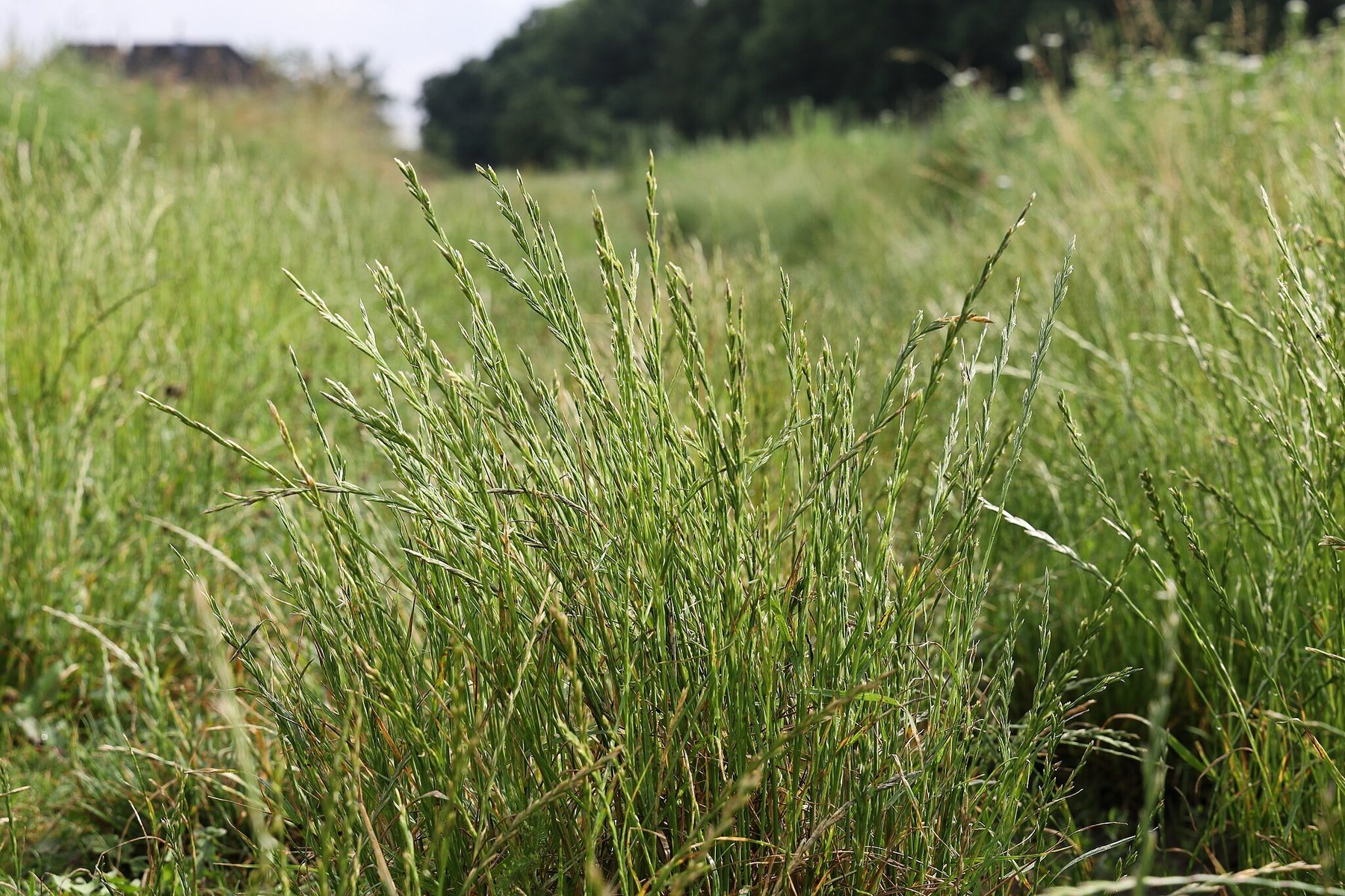
Kentucky Bluegrass
A cool-season grass that’s dark green with a medium to fine texture, Kentucky bluegrass can provide you with a thick, lush-looking lawn, but it doesn’t have the highest heat tolerance. It can also be identified by its boat-shaped leaf tip.
Non-Native Grasses: Bermudagrass and Zoysiagrass
Bermudagrass and zoysiagrass are warm-season grass species that belong in the southern United States. Bermudagrass features leaf blades that are fine and pointed, and it tends to grow in a creeping pattern. Zoysiagrass is a stiffer type of grass that can sometimes be described as prickly. Also, its leaves are rolled at the bud.
While the winters in Pennsylvania are typically not harsh enough to get rid of these grasses, the lower temperatures can inflict damage to the grass, meaning it will be slow to green up in the spring.
What to Know About Your Soil
In South Central Pennsylvania, it’s likely you have one of three types of soil in your lawn: loamy, clay, or shale. Oftentimes a soil test can help determine which type is in your lawn, but here are some easy identifiers of each type.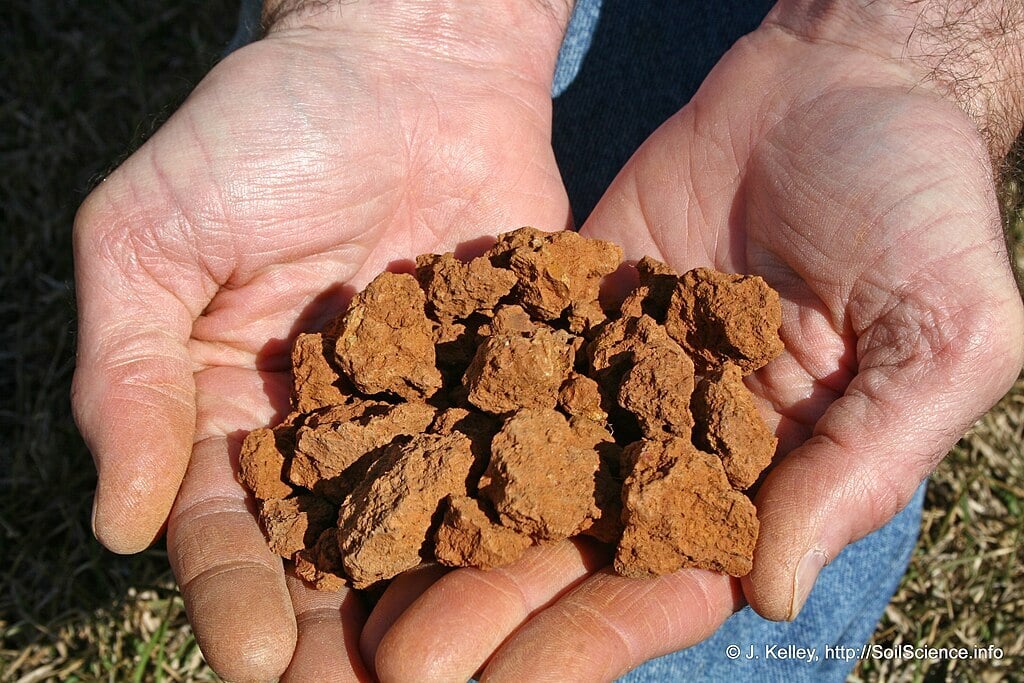
Loamy Soil
Containing silt and clay, loamy soil holds more moisture than shale soil. If you have this type of soil, you may notice that your grass has good roots.
Clay Soil
Soil that is predominantly made up of clay is known to be dense, compact, and poorly draining. While rich in nutrients and great at holding water, you may notice grass struggling to take hold in these areas.
Shale Soil
Shale soil is a mixture of fine-grain sediments like mud and silt that have become compacted over time. If your yard features this type of soil, it probably dries out and drains quickly.
Common Lawn Problems in South Central PA
Now that you know the conditions that prevail in our region, let’s talk about some of the area’s common lawn problems, and how you can contend with these issues.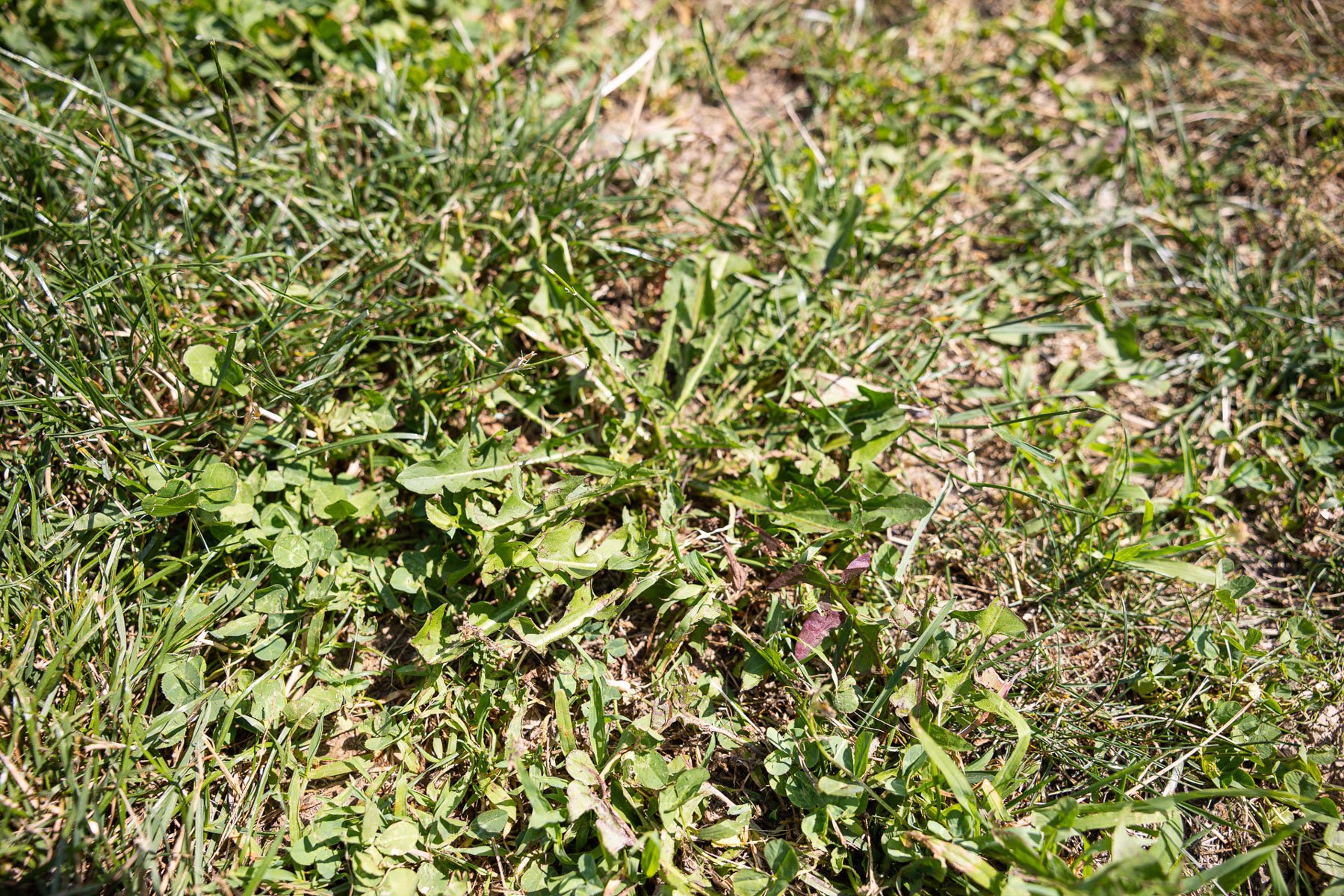
Common Lawn Weeds
The enemy of lawns everywhere, weeds are invasive, undesirable, and all around obnoxious. They are also opportunistic and will take advantage of any weakness in your lawn to set up shop and spread until they are controlled. Some of the most common (and annoying) weeds we see in Pennsylvania include:
- Clover is a low-growing weed that appears in clumps. It usually features three leaflets and can outcompete grass, especially in soil that's lacking in nutrients.
- Dandelions feature a yellow flower and “puffball” seedhead that can spread seeds rapidly. This type of weed grows quickly and aggressively.
- Crabgrass has broad light green blades that tend to sprawl out. Its thick stems resemble crab legs.
 Common Lawn Pests
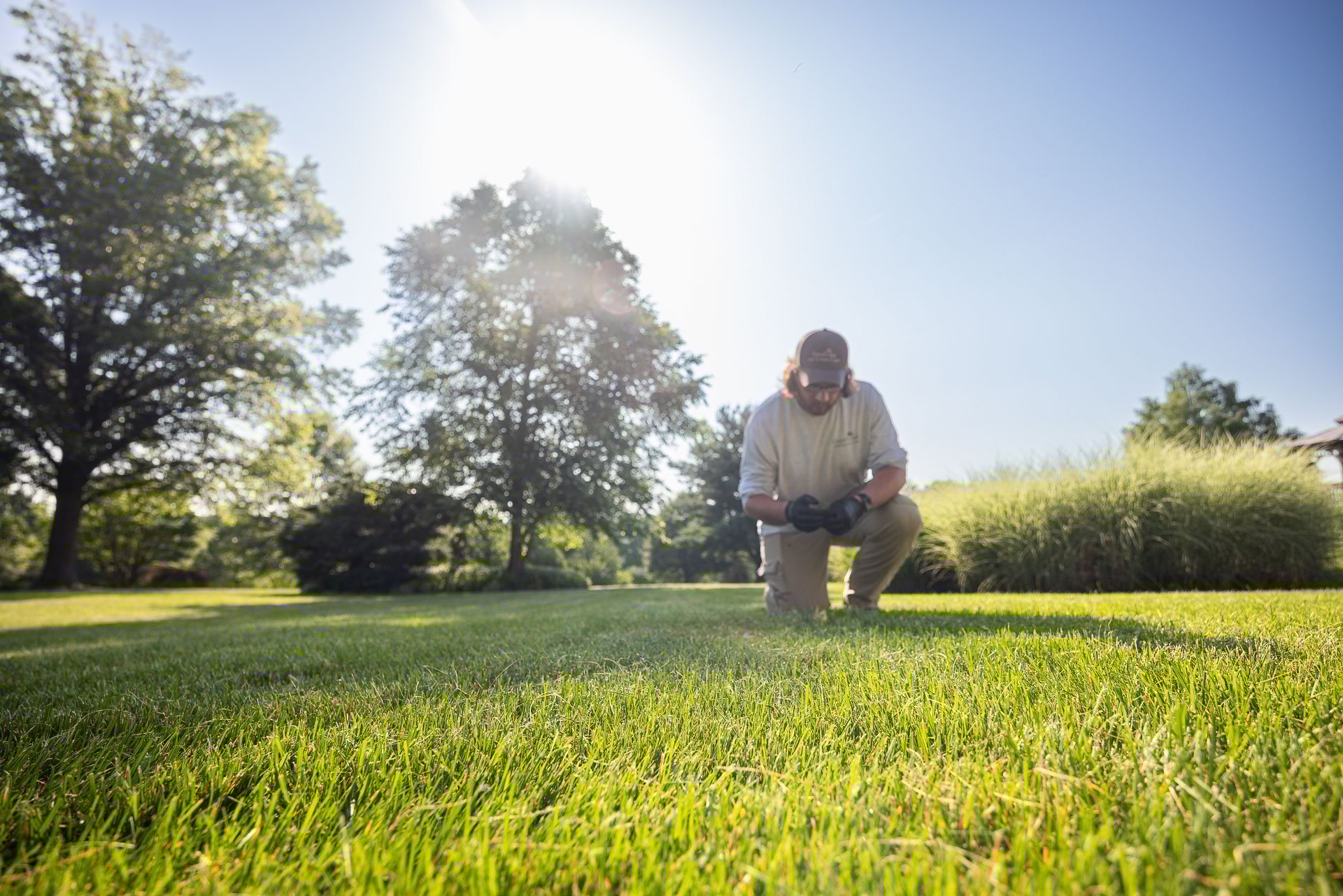
There are various insects throughout South Central Pennsylvania that will turn your lawn into a buffet, leaving bare patches and overall unhealthy-looking grass in their wake. The pests listed below are just a couple of the most common that we come across- if you're experiencing problems you believe are lawn insects, be sure to check with a local lawn professional to determine which pest is the culprit.
- Chinch bugs are tiny pests (about 0.25 inch long) that suck nutrients from the grass and inject a toxin causing the grass to turn yellow and die. They have black bodies and white triangular patches where their wings meet on their backs.
- Sod webworms start as light green or tan brown caterpillars with dark heads and spots before evolving into light-colored moths. As caterpillars, they chew off grass blades at the crown, creating irregular brown patches throughout your lawn.
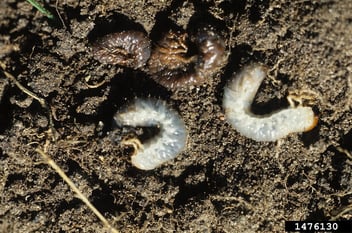
- White grubs, the larvae or certain beetles, are C-shaped and feed on grass roots. They can cause your lawn to be yellow, wilty, and spongy. If your turf easily rolls up like a carpet, you may have a white grub problem. If you also notice an influx of animals digging throughout your lawn, like racoons, this may be another sure sign of grubs.
Common Lawn Diseases
Lawn diseases aren't caused by viruses or a sign that your grass caught a cold. Most are actually the result of fungi that make their home within your lawn, often as a result of moist conditions in your grass and soil or humid weather. Fungicides can help prevent and resolve these issues in extreme cases.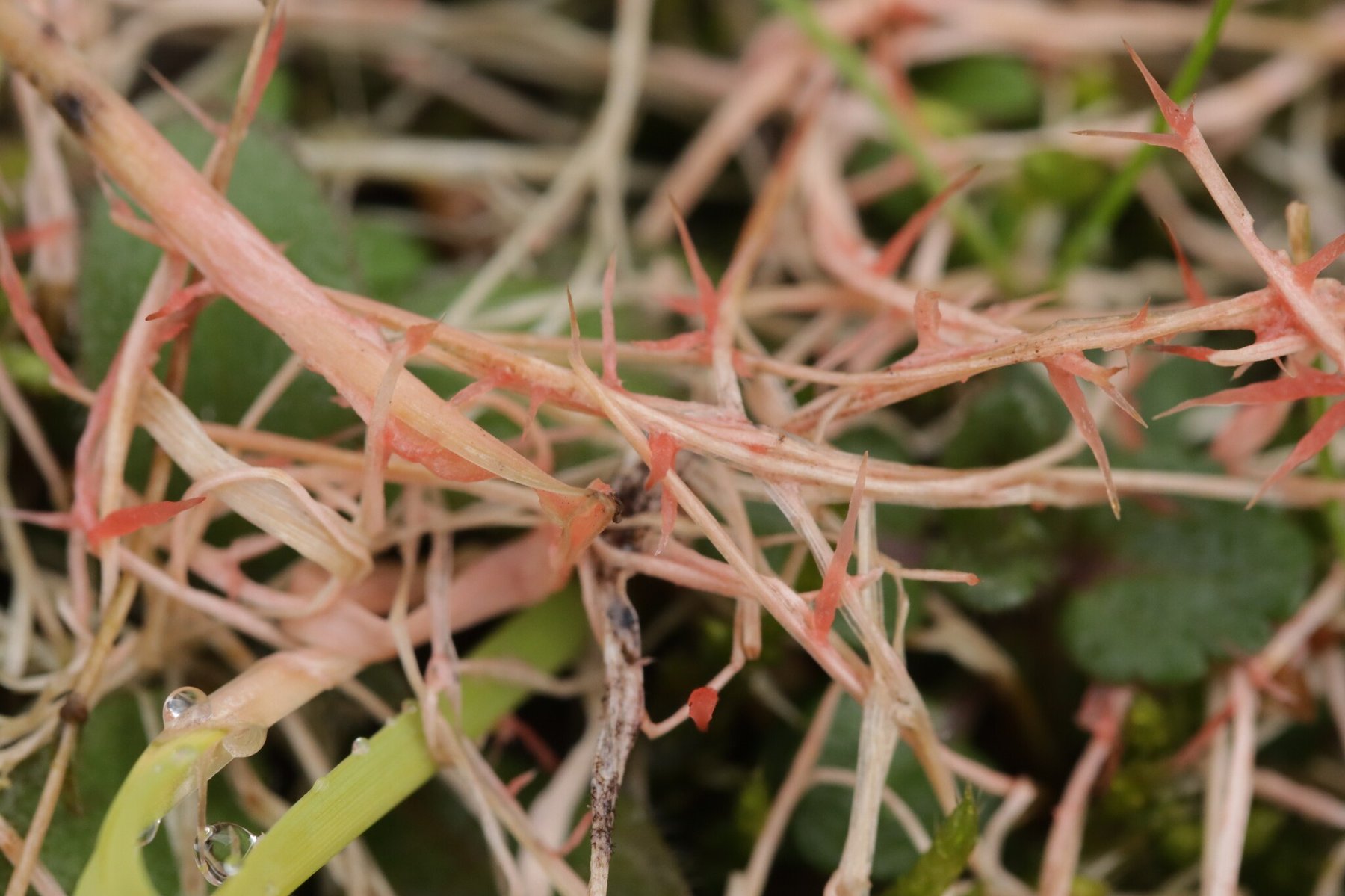
- Red thread appears as tan spots throughout the yard located at the tips of the grass blades. Also at the tip of the blade, you might notice a red thread coming out.
- Dollar spot manifests as brown patches scattered throughout the lawn. When you look at the grass blade, you can see a tan area that’s shaped like an hour glass, but the tip of the blade will be green.
- Snow mold, which shows itself in spring once the snow melts, looks like blotchy spots that are white, pink, or tan. As you look closer, you will see that the grass looks to be pushed down and/or meshed together.
- Brown patch shows up as brown areas with a darker circle surrounding a lighter circle. The grass blades may also have a dark brown lesion.
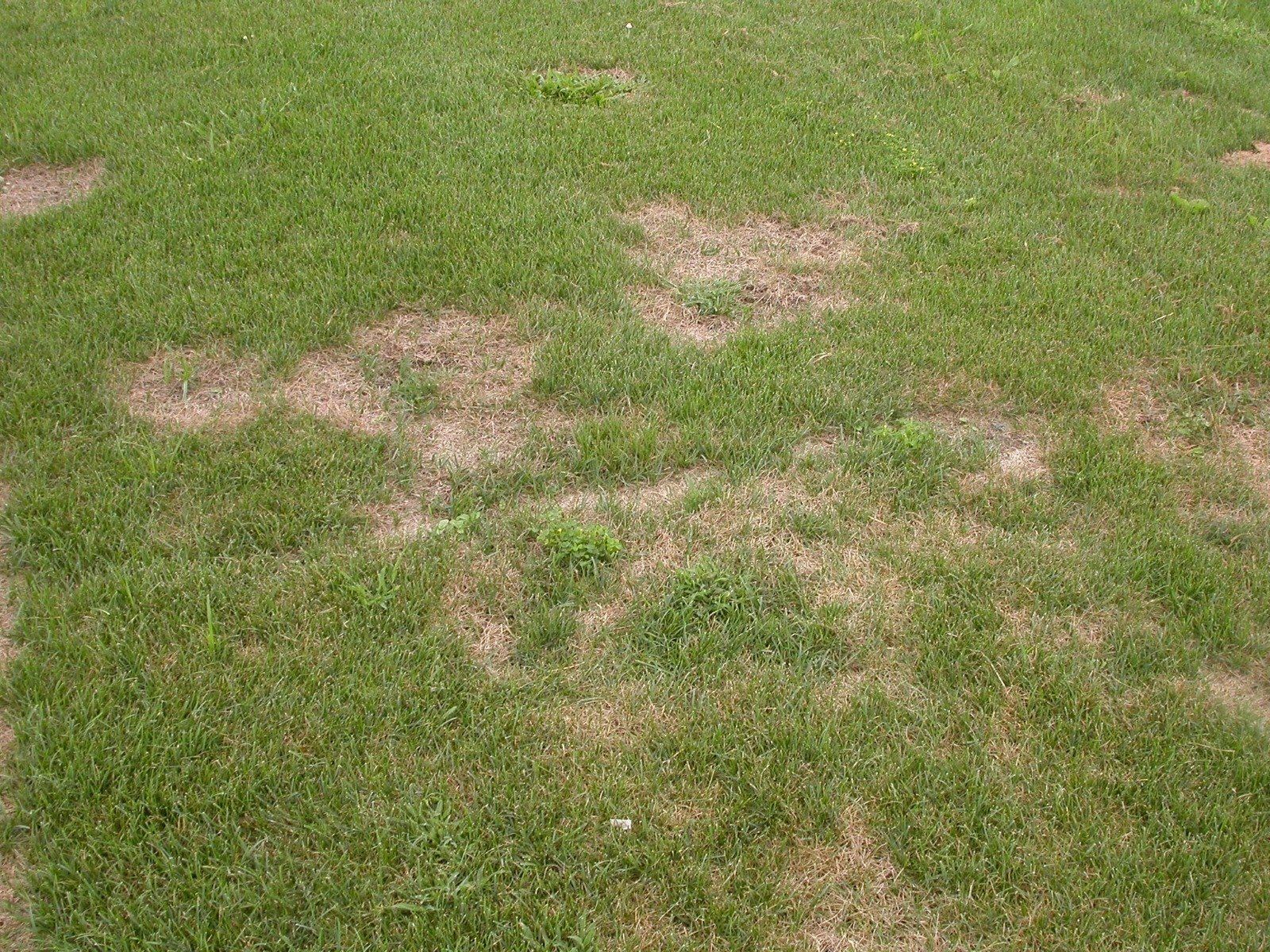
- Summer patch becomes prevalent when soil temperatures increase. Weakening the roots, it can cause brown, circular patches of dead grass that might appear in a “frog eye” pattern.
- Pythium blight looks like circular, greasy patches that appear in hot, humid conditions. This disease tends to also take hold in areas with poor drainage.
Thin and Bare Spots In Your Lawn
If you’re wondering why your lawn is thin and patchy, know that bare spots in the lawn can be caused by several factors.
First, it could be that the grass isn’t getting the air, water, and nutrients it needs to grow strong.
Or, perhaps your property has many trees, casting a lot of shade, meaning that your grass isn’t receiving enough sunlight.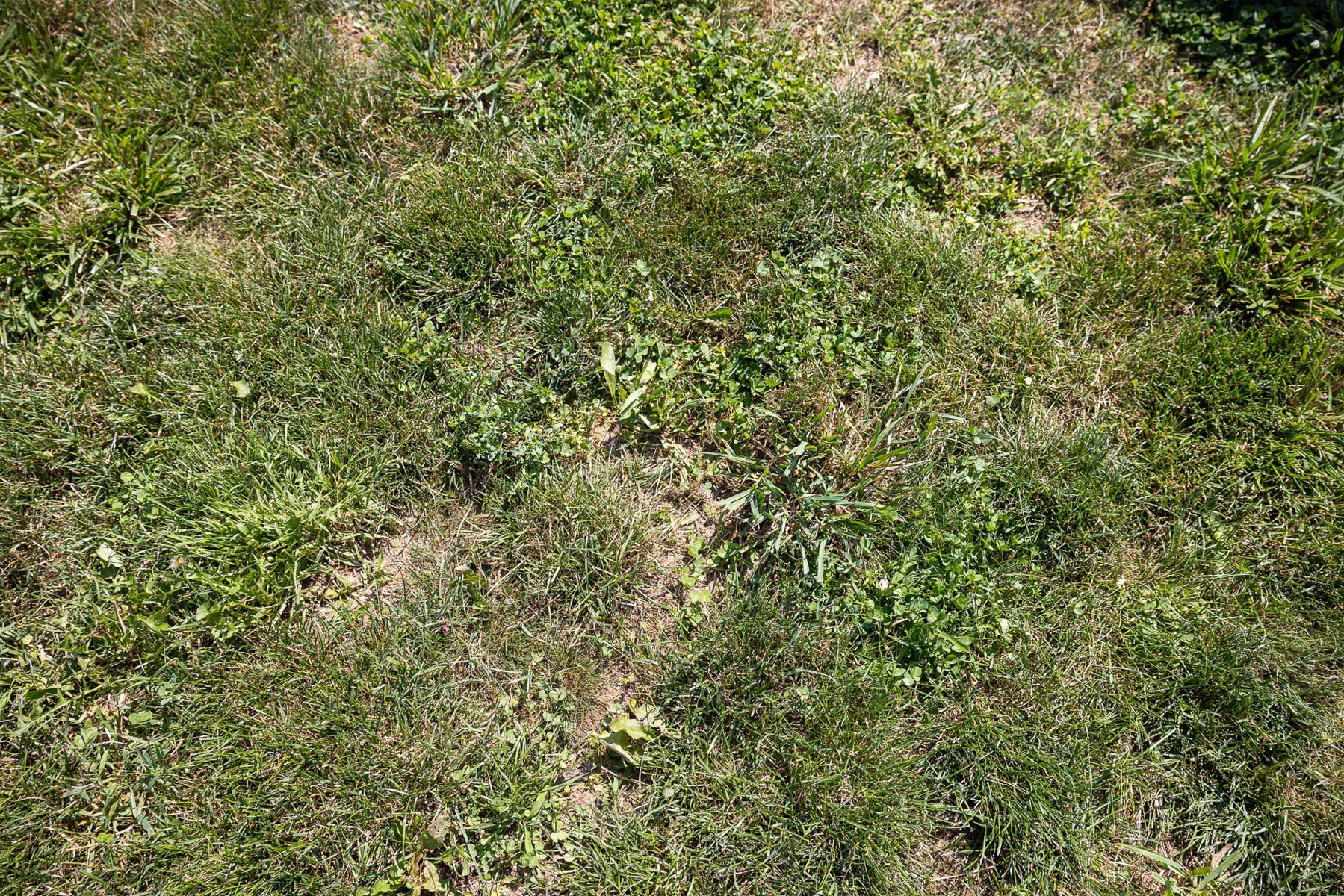
Finally, you might notice thinner areas within your yard if you have a newer home. This is because often, as builders construct new homes, they tend to scrape away the nutrient-rich topsoil needed for grass to establish a solid root zone.
Poor Drainage
Depending on what type of soil you have, you might also notice that your yard doesn’t drain well and that you’re often left with large puddles after rainfall.
In many cases, compacted soil is the culprit. You can alleviate compaction via aeration, a practice that pulls plugs out of the soil to allow it breathe and absorb nutrients.
Lawn Care Solutions
Many of these issues have solutions that involve fixing an underlying root cause, anything from a nutrient deficiency in the soil to a poor watering schedule, that can be identified and addressed by a lawn care professional. Most of the time, the best offense is a good defense, as lawns that are thick and healthy are naturally better-suited to stand up to weeds, insects, and disease. When your grass is taken care of properly, you'll see less and less of these problems over time.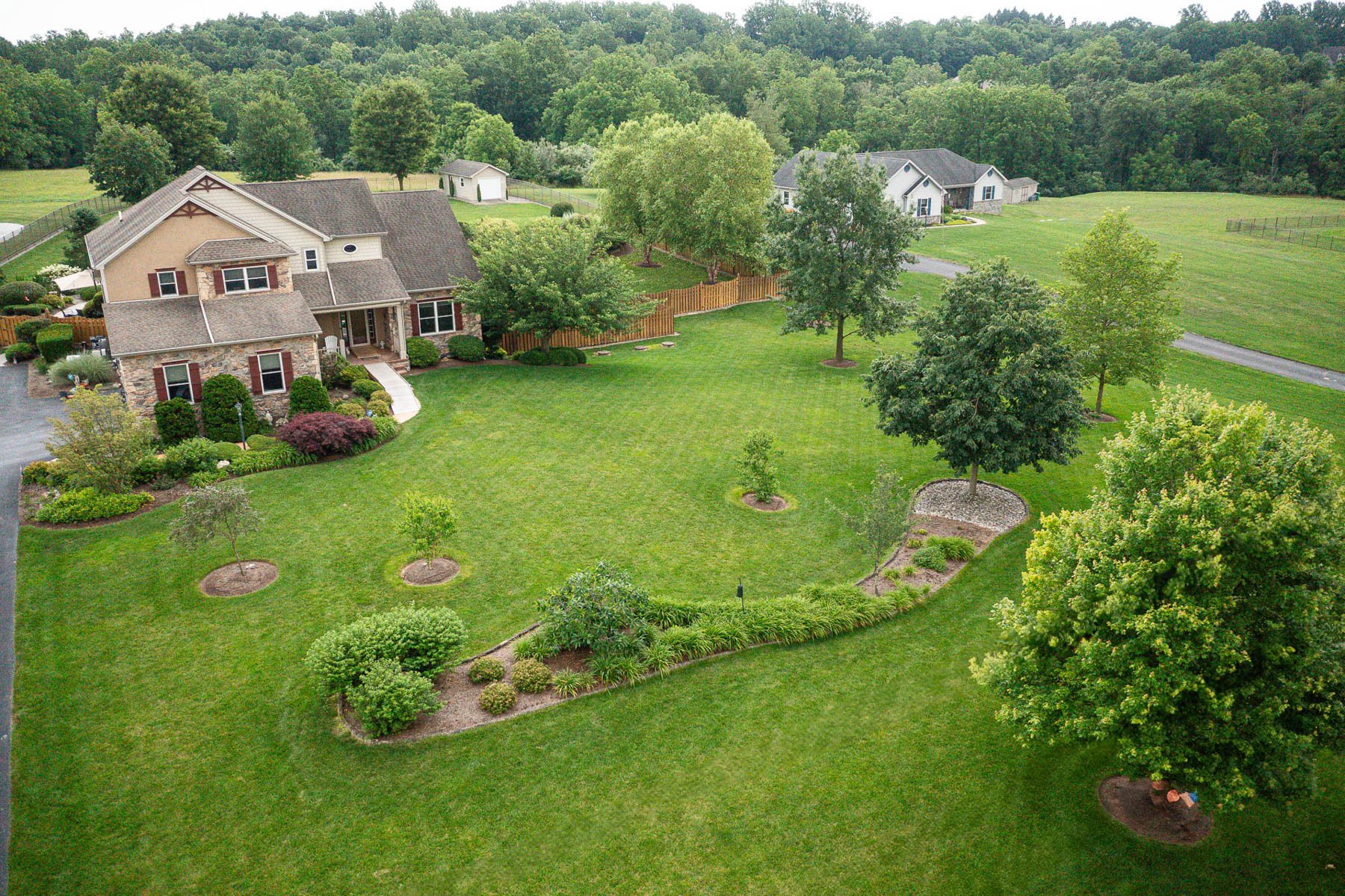
Lawn Care by Season in South Central Pennsylvania
You now have an idea of what can go wrong in your yard, so what’s next? Let’s take a look at some of the seasonal practices you can enact to avoid South Central Pennsylvania’s most common lawn problems.
Spring: Prevent Weeds, Start Strong
Prepare your lawn for spring with a fertilizer treatment that encourages growth and helps your grass grow strong so it can fend off threats such as insects, weeds, drought stress, and diseases.
This is also a great time for a pre-emergent weed control treatment to discourage weeds from appearing in your lawn in the first place, such as crabgrass.
Summer: Mowing, Watering, and Pest Awareness
The summer months in South Central Pennsylvania can be tough on your yard, so it’s crucial that you follow the recommended watering and mowing practices we discussed above to keep your lawn in tip-top shape.
You should also keep an eye on your lawn to make sure no pests have decided to call your yard home for the season.
If you do notice an issue, a lawn care specialist can help you identify the cause and take care of it before it becomes worse.
Fall Lawn Care in Pennsylvania: Aeration, Overseeding, Fertilization, and Cleanup
Aeration involves pulling small plugs of soil from your yard to improve air circulation and encourage the movement of water and nutrients through the soil, while overseeding introduces new turfgrass varieties to help fill in bare spots and thicken your grass.
Because aeration breaks up compacted soil, it also alleviates the drainage problems we mentioned above.
These practices are best done in the fall because the cooler temperatures provide relief to your grass after the heat of summer, and the grass seed that’s introduced has an easier time growing in these conditions.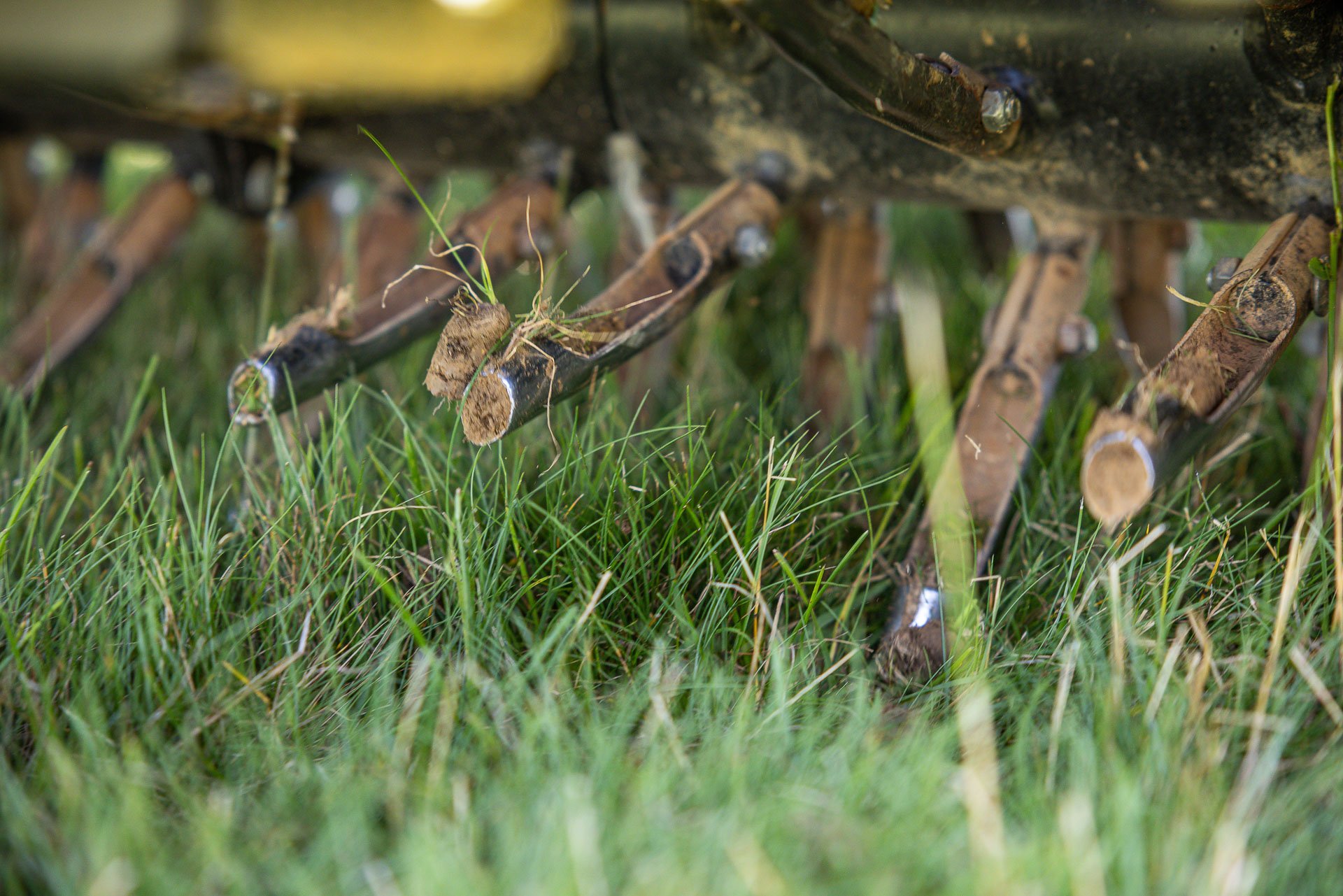
While a spring fertilizer application can encourage top growth, a fall fertilizer application can help with root growth and give your grass something to feed on over the winter. We call this high-nitrogen application a “winterizer treatment.”
Finally, before winter, you will also want to remove the leaves from your lawn. Failing to do so can inadvertently create an oasis for certain lawn diseases and pests to take hold.
Winter Lawn Care Tips: Minimal Maintenance, Maximum Prep
Most of the work is typically done before the winter season, but during this time of year, you can try to keep large piles of snow and ice off your lawn. It’s also important to limit the amount of salt that leeches into your lawn.
Finally, if you can, try to keep foot and machine traffic to a minimum to avoid damaging the grass.
Common DIY Lawn Care Mistakes to Avoid
As with many things in life, there is a wrong and a right way to tackle lawn care. Below are a few common mistakes we see and how to avoid them.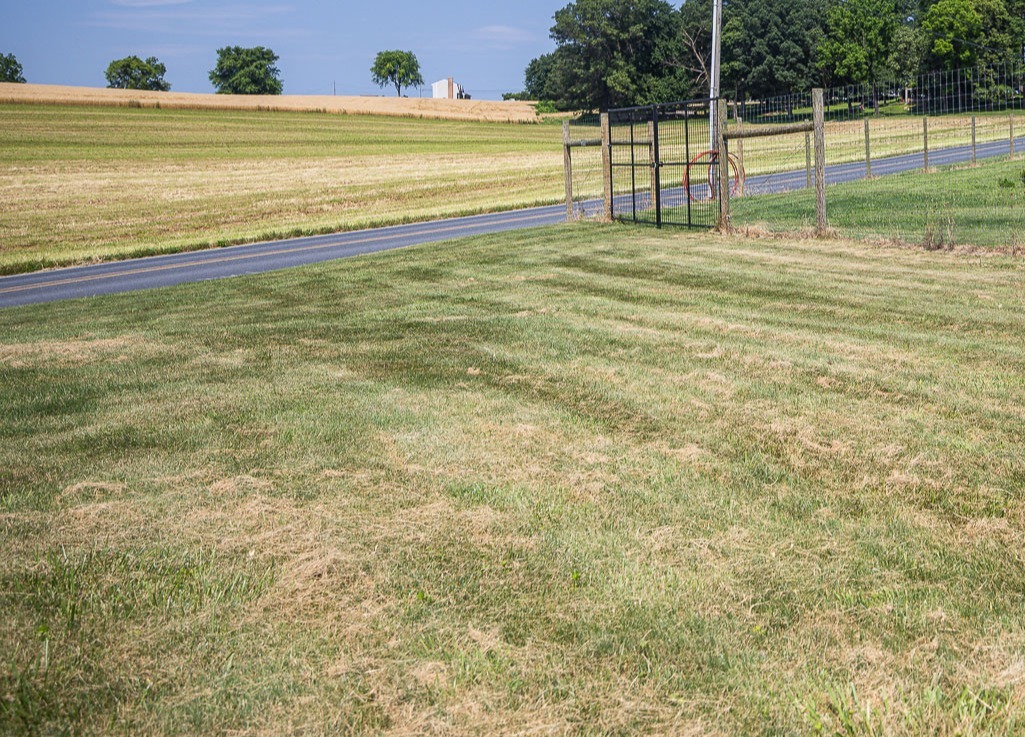
Overwatering
If your grass is turning brown in the summertime, your first instinct may be to give it more water. However, before you do this, you need to make sure that lack of water is actually the root of the problem.
In some cases, lawn disease symptoms can look like drought stress, and watering your lawn will enable the disease to thrive even more. A lawn care professional can advise you on the ideal watering schedule based on your property and the time of year.
Improper Chemical Application
When applying products to your lawn, it’s highly important that you’re precise. You must follow the label instructions exactly, know the right time to apply, and be certain that the product you’re applying is the right choice for your lawn and the problem you’re trying to treat.
It’s critical you apply within the sweet spot for each product. Underapplying a product may not completely get rid of the problem you’re trying to solve, while overapplying a product can cause heavy damage to your lawn.
Certified lawn experts are trained on each product, guaranteeing the correct application rates, timing, and affected areas of your lawn.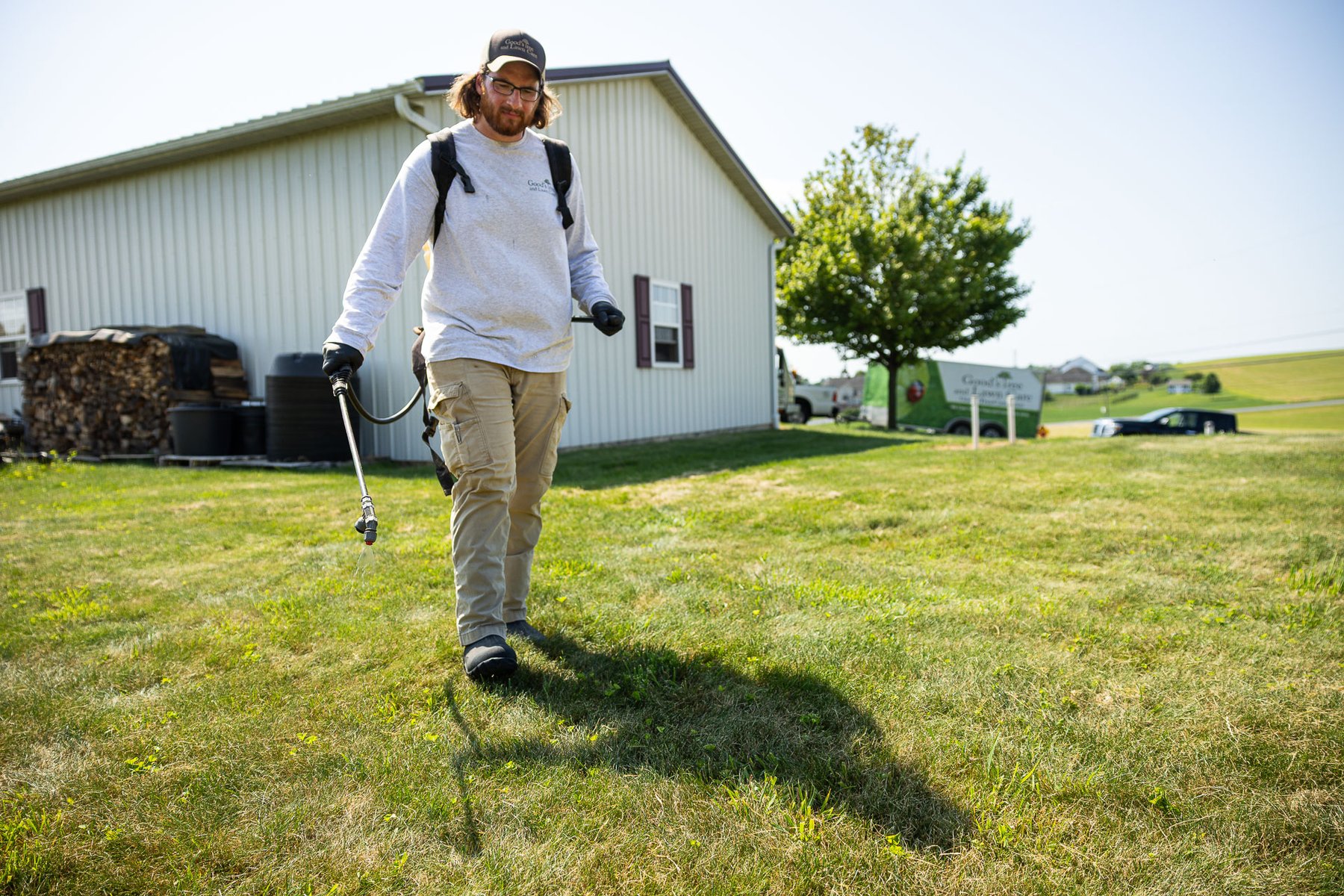
Wrong Equipment
Just like you need to make sure you’re putting down the right products, you also need to make sure you have the right equipment to get the job done right the first time.
Treating your lawn with improper or broken equipment can result in your lawn needing more maintenance in the future. The upfront costs of some pieces of equipment can be prohibitively expensive for homeowners and buying the cheapest model available is typically not the best solution either.
Professional lawn care companies not only have the latest equipment, their technicians are also trained on how to use and maintain them, saving homeowners time, money, and storage space.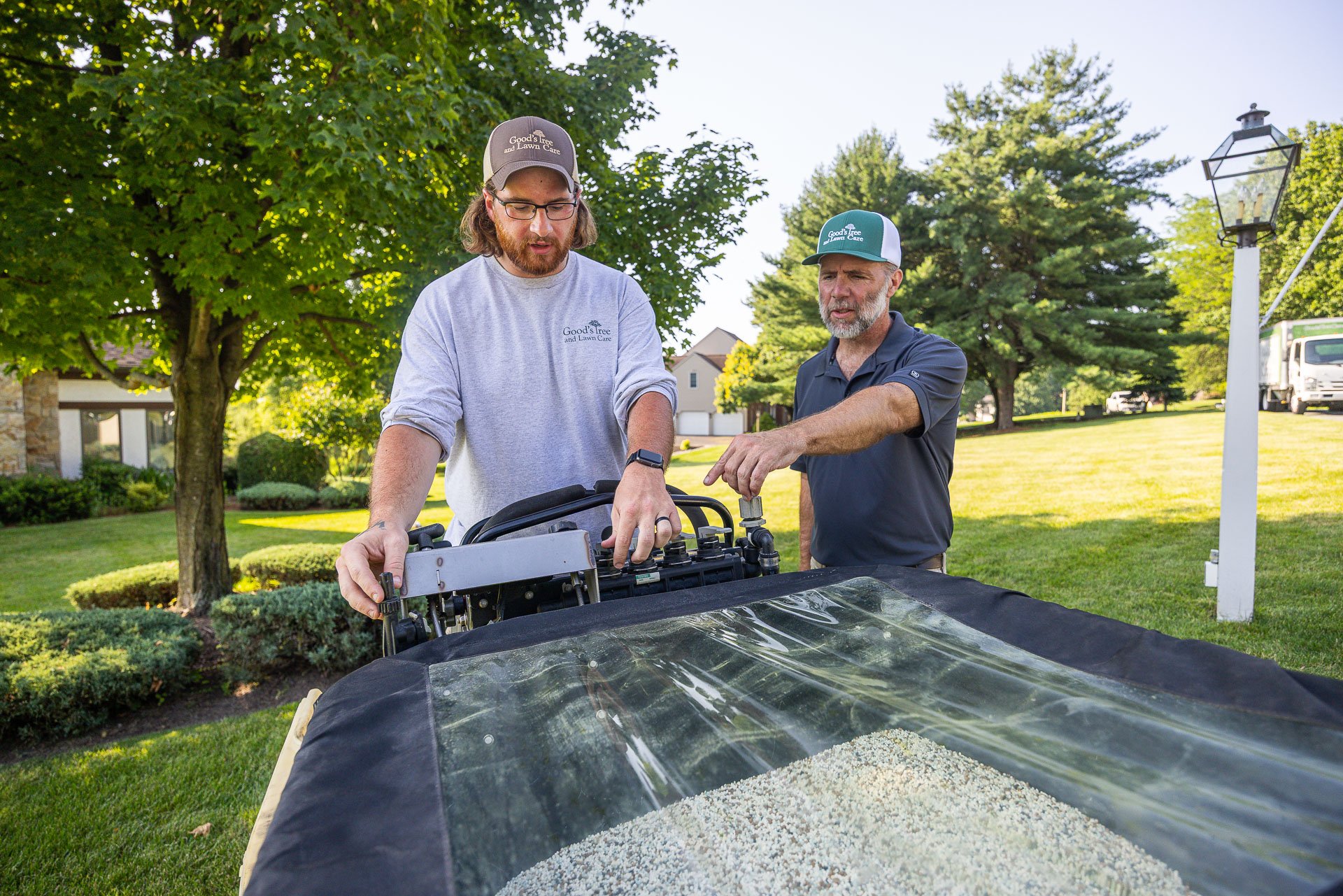
Signs You Need Lawn Care Help
If you’re wondering when you should hire a lawn care company, consider the following signs. Bare spots, poor drainage, persistent weeds, or yellowing spots developing within your yard, despite your best efforts, may indicate it’s time to enlist the help of a professional.
So, what does good lawn care include, anyway?
What a Professional Lawn Care Service Includes
At Good’s, we have three simple lawn care programs that include visits spaced out from spring to fall. The tiers of services are:
- Standard: Our standard package features six visits and includes fertilizer treatments, crabgrass preventer, broadleaf weed control, grub prevention, and surface insect control
- Preferred: The preferred package includes eight visits and adds in a lime application to the standard package offerings
- Premium: Featuring nine visits, the premium package also incorporates core aeration and overseeding services

And, because we know that every lawn is different, we can also incorporate add-on services such as flea and tick sprays, soil tests, and more on an as-needed basis.
The Value of Consistency and Expertise
If you’re still wondering whether a lawn care service is worth it, think about the priceless value of knowing your lawn is in good hands all season long.
Our lawn care technicians undergo extensive training and have deep-rooted knowledge about the area’s common issues and how to resolve them.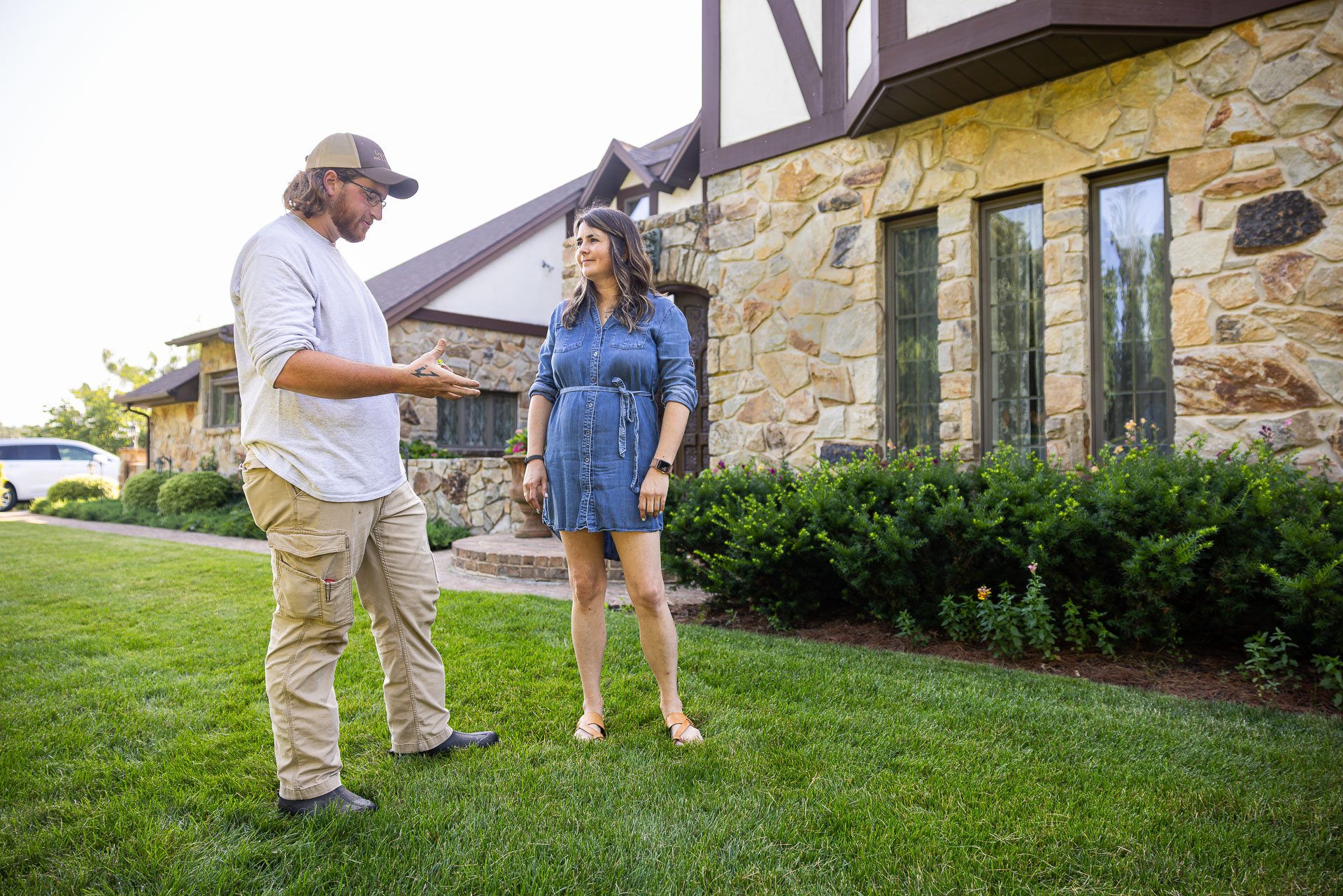
Not only that, but adding in a lawn service means that you no longer have to think about researching the best products and going to the store to buy the right materials, never mind finding the time to actually perform the treatment. That means no more standing in the aisle and comparing products with words no one understands. Our reliable lawn care technicians are ready to provide you with consistent service all season long.
FAQs About Lawn Care in Pennsylvania
Are lawn care services worth it?
Enlisting the help of Good’s lawn care technicians can help ensure your lawn is treated right – the first time. Good’s also has all the right materials and equipment to make the necessary treatments, so you don’t have to waste your time procuring the proper tools or determining a program for your lawn. Instead, you can spend time doing what you truly enjoy.
How often should I aerate and overseed my lawn?
Typically, a good rule of thumb is to aerate and overseed every two years. Aeration will help your soil receive more air, nutrients, and water, while overseeding will help introduce new grass types.
If your soil is especially compacted or if you reside in a new home build where much of the topsoil has been stripped during construction, it may be wise to aerate and overseed every year.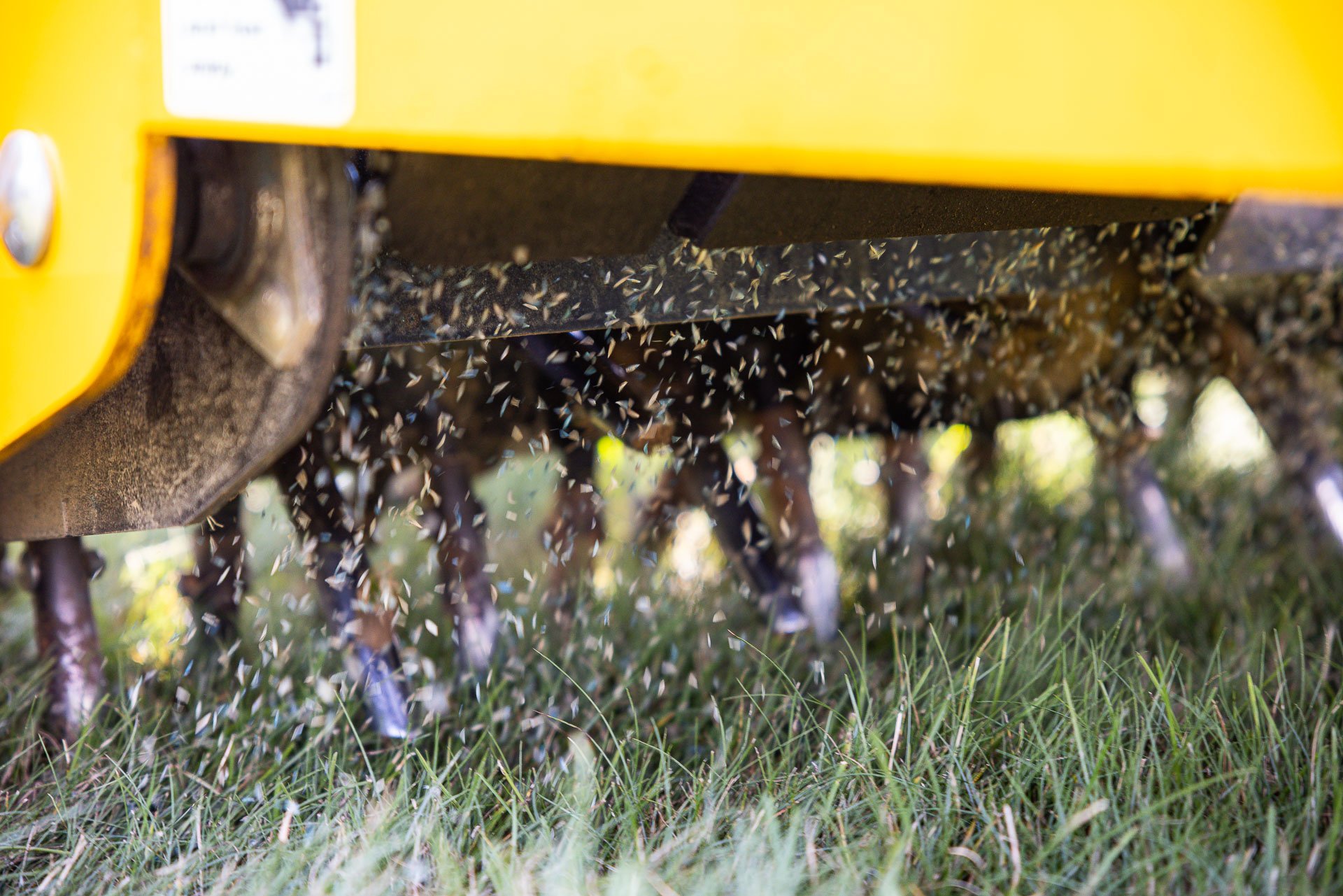
Are the products used by Good’s safe for people and pets?
The products we use are not only effective on your lawn, they are also pet safe in most cases. At Good’s, our licensed experts use custom-blended, natural-focused products and only treat what your lawn truly needs.
How can I get in touch with the experts at Good’s?
To request a free consultation, you can get in touch with our friendly customer service representatives at 717-564-1995 or request a free quote here.
Can I go outside after a lawn treatment?
To allow our treatments to dry and keep your and your family extra safe, we just ask that you stay off your lawn and keep pets inside for at least one hour after our technicians visit.
Your South Central PA Home Deserves a Good’s Quality Lawn
As a proud homeowner, you’ve invested a lot into your lawn, so why not also level up your lawn care game?
At Good’s, we cut out the guesswork of lawn care with premium, custom-blended products and targeted treatments from licensed pros who really know the lay of your lawn.
If you’re in Lancaster, Harrisburg, Lebanon, York, or a surrounding area, request a free quote today and let us help you grow a lawn you can be proud of.

Image Sources: sprinklers, lawn mower, perennial ryegrass, soil, red thread, summer patch

Jon Schach


.png?width=300&height=143&name=Goods%20Tree%20Care%20Logo%202%20(2).png "Goods Tree Care Logo 2 (2)")