.png?width=429&height=204&name=Goods%20Tree%20Care%20Logo%202%20(2).png)


Are you wanting to improve your lawn but feeling unsure about what it really needs to thrive? You’re not alone.
That’s where a professional lawn care provider can step in to help you get the best care for your South Central Pennsylvania lawn.
In this guide, we’ll dig into the essential elements of a professional lawn care program in South Central Pennsylvania and discuss why it’s so important, so you can get to the root of what goes into keeping your yard healthy and resilient throughout the season.
Jump To:
What's Included in Professional Lawn Care?
Basic Lawn Care Programs
Comprehensive Lawn Care Programs
Why Lawn Care in South Central PA Requires a Specialized Approach
Frequently Asked Questions
Working with Good's for Tailored Lawn Care
What's Included in Professional Lawn Care?
You may be wondering about what local professional lawn care includes that you can’t already tackle on your own. While most homeowners handle mowing the lawn on their own, your lawn needs much more than the occasional haircut to truly be its best.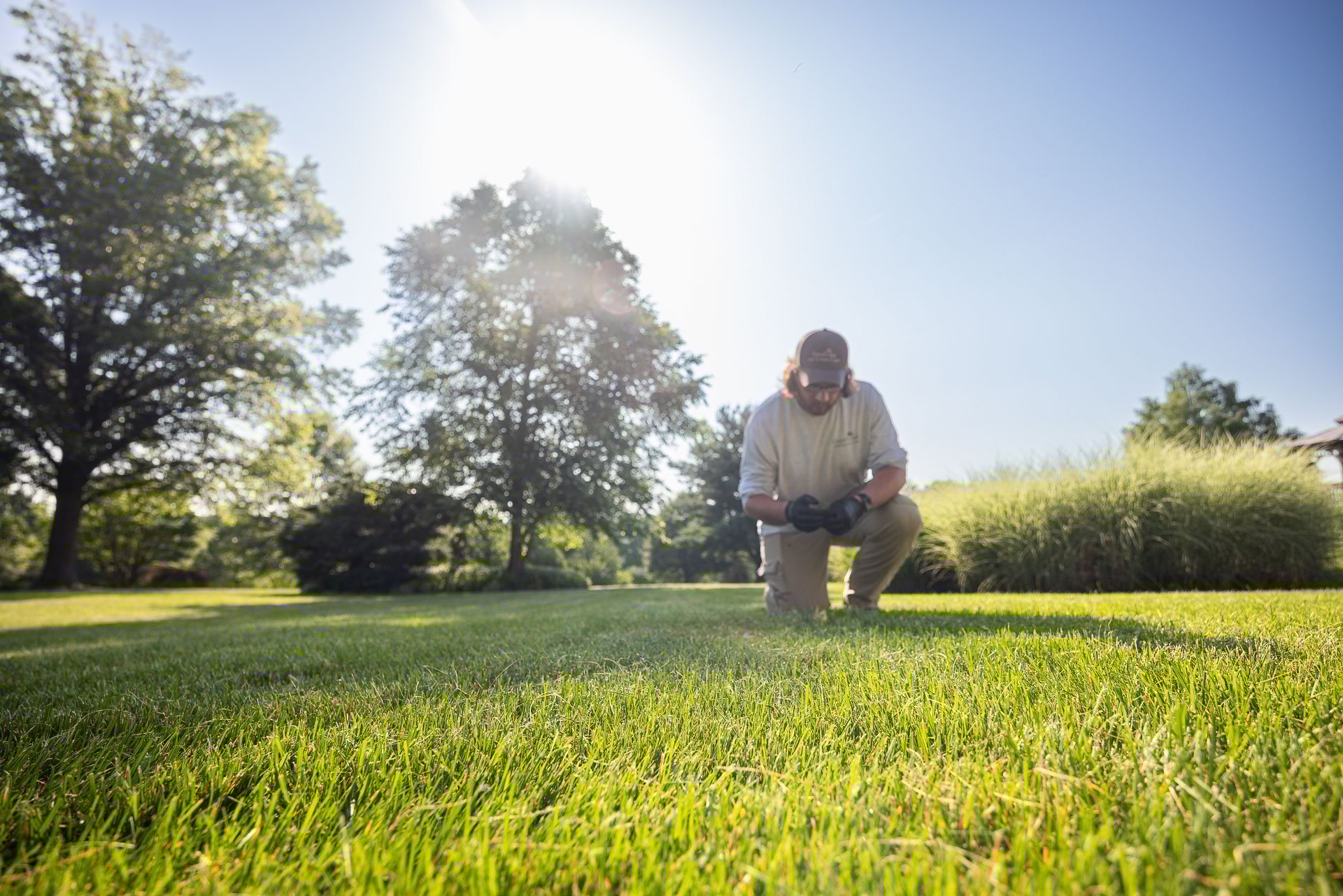
Not only do local lawn care specialists understand how South Central Pennsylvania’s climate and conditions affect your lawn, they also have the knowledge, training, and certifications required to put down exactly the right treatments at the right times. Nothing more and nothing less.
Fertilizer and weed control products from big box stores often don’t cut it since using a blanket approach doesn’t address the unique problems your lawn in Harrisburg or Lancaster may be facing. Local pros build their programs around the climate, soils, and grass types they care for. Here’s a look at what basic lawn care and comprehensive lawn care packages may include.
Basic Lawn Care Program: Weed Treatment, Fertilizer, and More
Preventative Weed Treatment
Your lawn can benefit from a crabgrass pre-emergent in springtime, usually from March through the beginning of May, which helps prevent crabgrass from taking over your yard. Other applications throughout the season can help your yard stand strong against weeds all season long. 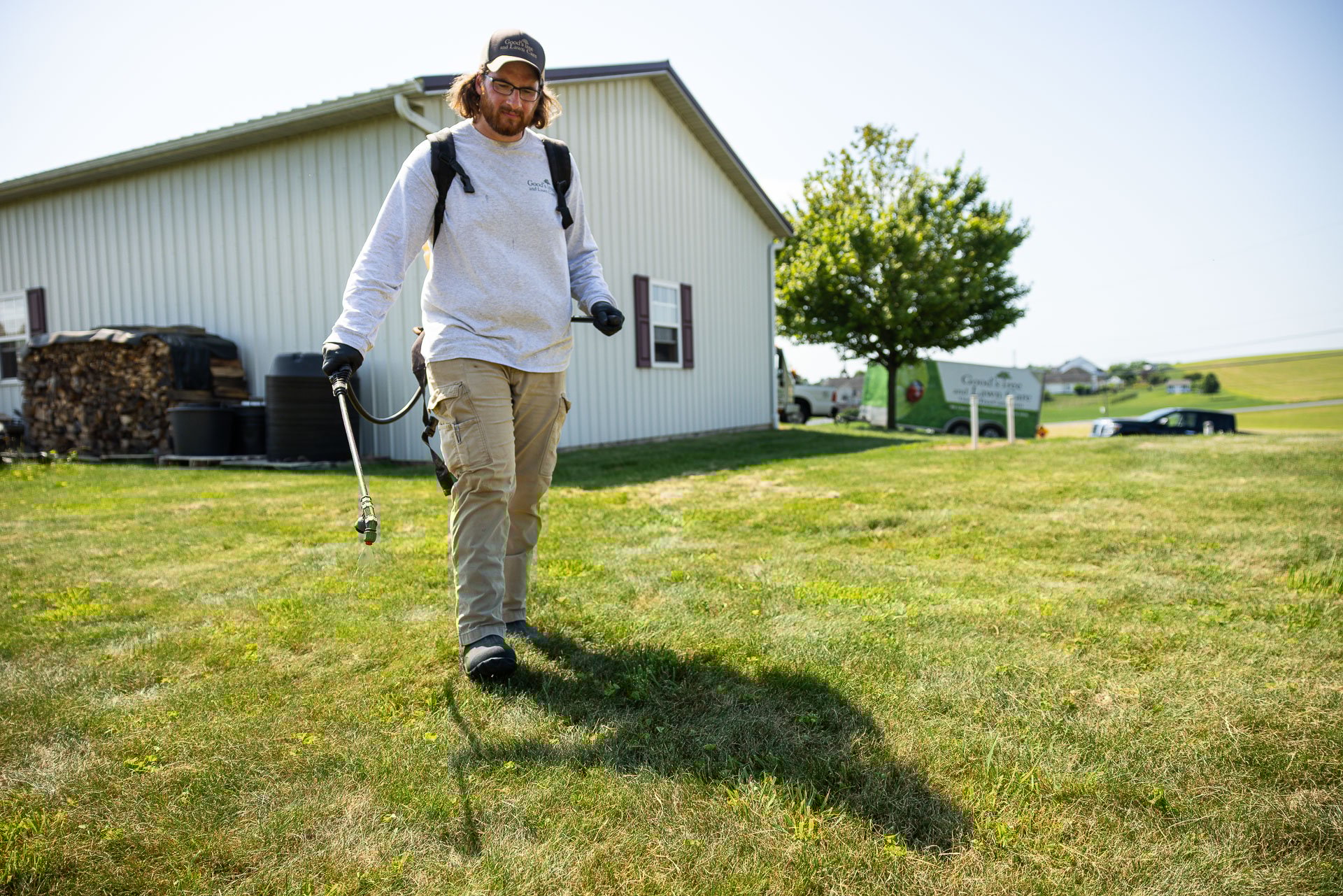
As temperatures warm up over the summer, you may notice that a few weeds, such as dandelion, nutsedge, and other broadleaf weeds have popped up here and there throughout your lawn. That’s where your yard can benefit from a spot spray, meaning that the weed control product is only applied directly to those weeds, rather than your entire lawn.
Fertilizer Treatment
Throughout the season, your yard may need an extra boost. That’s where fertilizer treatments can help.
For example, a spring fertilizer treatment can help it come out of dormancy. During the summertime, fertilizer can help fortify your grass against potential threats like weeds and diseases. 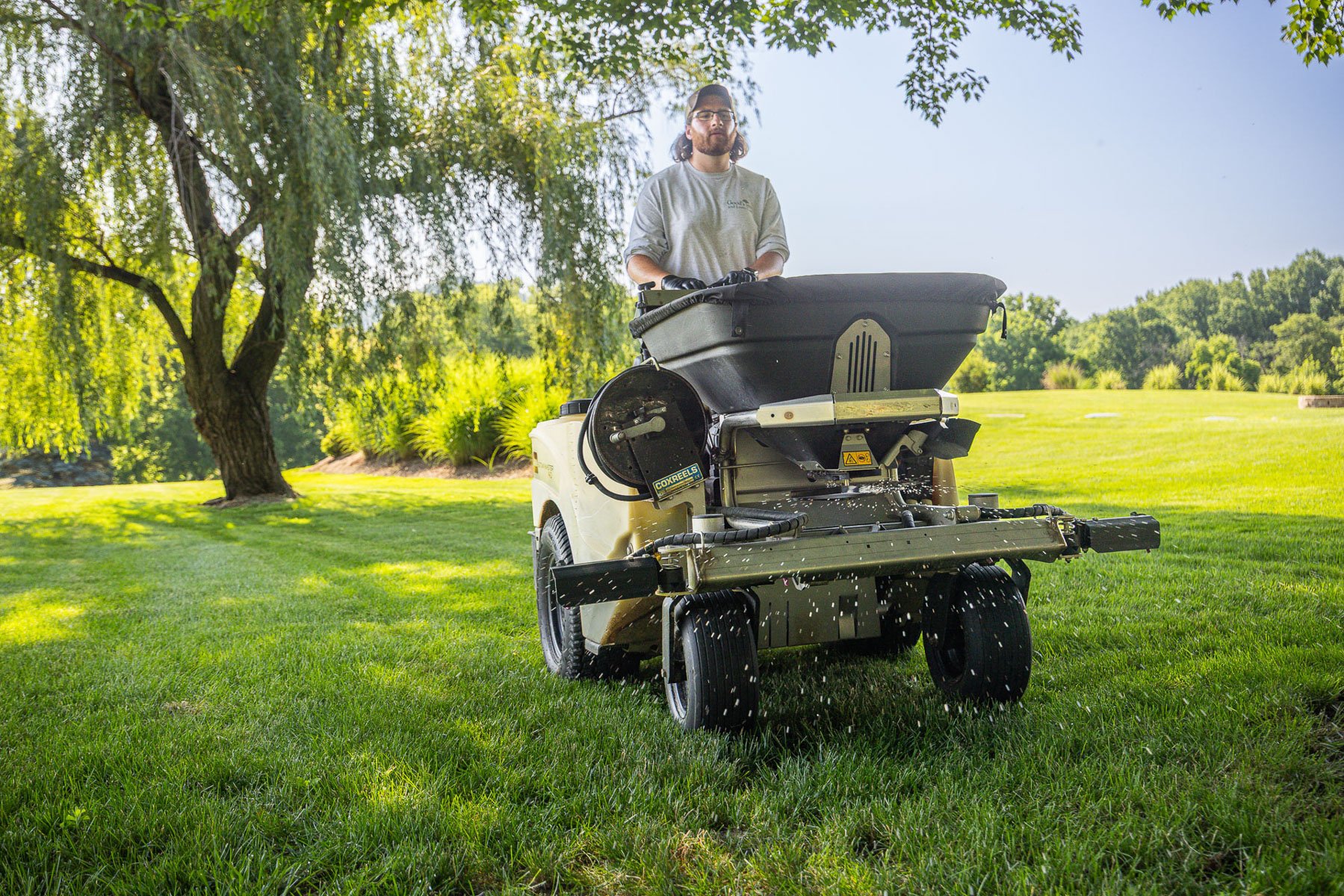
Grub & Insect Control
A grub control treatment, put down in late spring to early summer, can help keep the grubs at bay. Similarly, your lawn will thank you for the application of a surface-feeding insecticide. When it comes to these types of pests, it’s a lot easier to prevent them than it is to eliminate them once they’ve taken over your lawn.
Winterizer Application
Finally, in October through the end of November, as the temperatures drop, it’s time to help prepare your lawn for the winter with a winterizer application.
A high-nitrogen fertilizer with a slow-release material, the winterizer gives the grass something to feed on over the winter.
Comprehensive Lawn Care: Soil Health, Aeration, and More
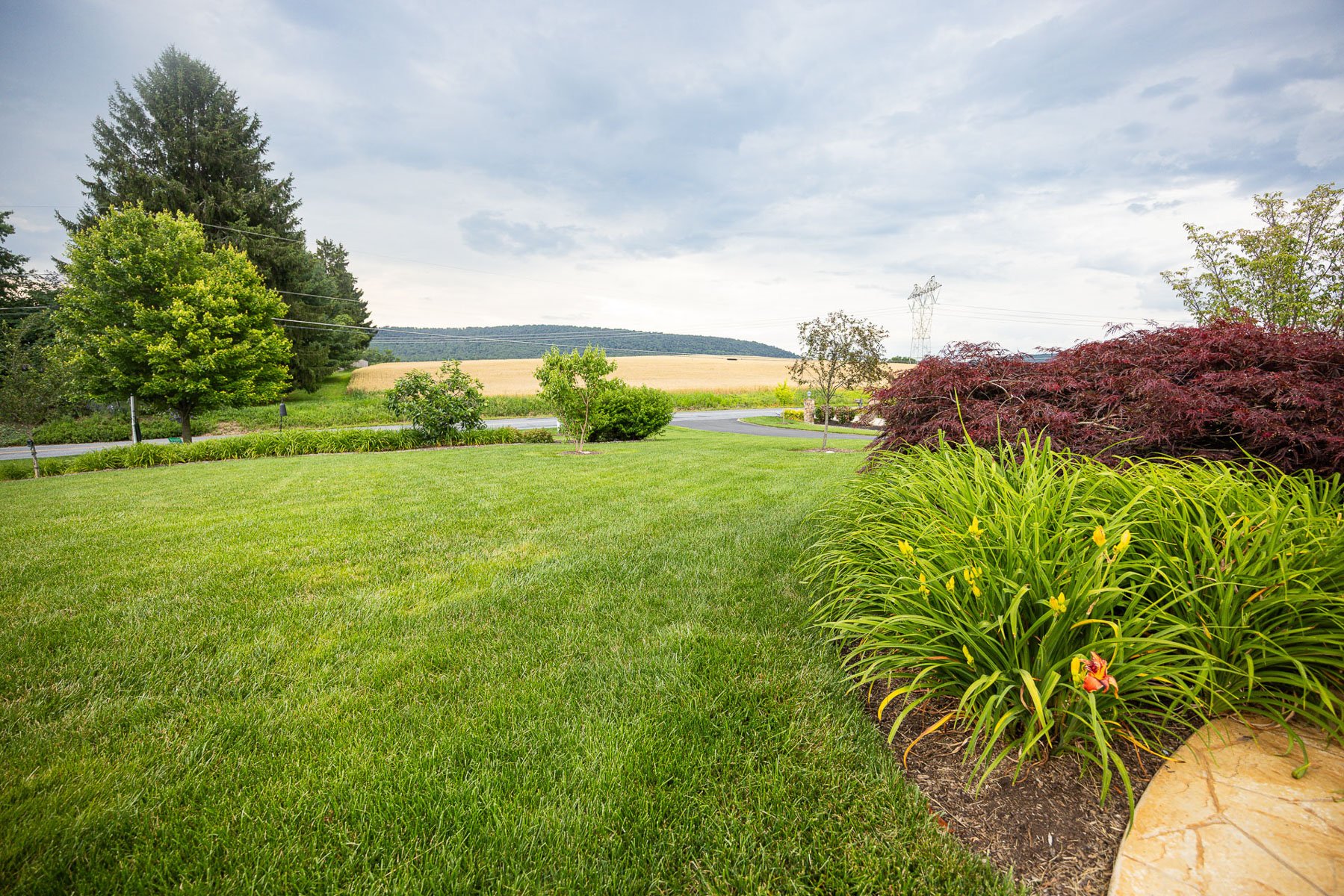 If you decide that basic lawn care just simply won’t cut it for your grass, comprehensive lawn care is another option. Look for lawn care programs that include:
Flea and Tick Applications
Fleas and ticks tend to thrive in the warm, humid conditions that prevail in summer in this area. Ticks prefer tall grasses and woody areas, whereas fleas prefer moist, shady ground.
If you notice that either of these pests has invaded your space, a flea and tick treatment can help kick these insects to the curb.
Soil Health
It may be that the soil is the cause of your lawn’s problems, in which case, a soil test can be performed to check the pH levels of your lawn.
If your soil’s pH level is fairly good but not quite up to where it should be, a maintenance lime application may be helpful. For soils that are very nutrient deficient and have low pH levels, a corrective lime treatment that goes down at a heavier rate may do the trick.
For the most accurate readings, soil tests are usually done in the spring and in the fall.
Aeration and Overseeding
Aeration and overseeding work hand in hand to promote healthier, greener grass. Aeration pokes tiny holes in your yard to help break up compaction and allow air, water, and nutrients to better flow through the soil, while overseeding fills in those holes with new varieties of grass to help thicken up your lawn.
These services can especially help your lawn if you have compacted soil, if your lawn has a lot of bare spots, or if you tend to have drainage issues.
Why Lawn Care in South Central PA Requires a Specialized Approach
Now that you know what a professional lawn care program entails, let’s dig into why your yard can benefit from one.
Soil and grass type, climate, and pest and disease pressure all impact your lawn, meaning that the best approach to lawn care is not a one-size-fits-all solution. Here’s a look at a few of the conditions affecting South Central Pennsylvania.
Soil Conditions
South Central Pennsylvania lawns typically feature one of two types of soil: loamy or shale.
Lawns with loamy soil tend to hold on to moisture, while lawns with shale soil typically drain quickly and get compacted easily.
What’s more, the pH and nutrient levels of your soil will affect how well your grass grows.
Grass Types
Yards in this area can include native grass types like tall fescue, ryegrass, and Kentucky bluegrass, as well as non-native grass such as bermudagrass and zoysia grass.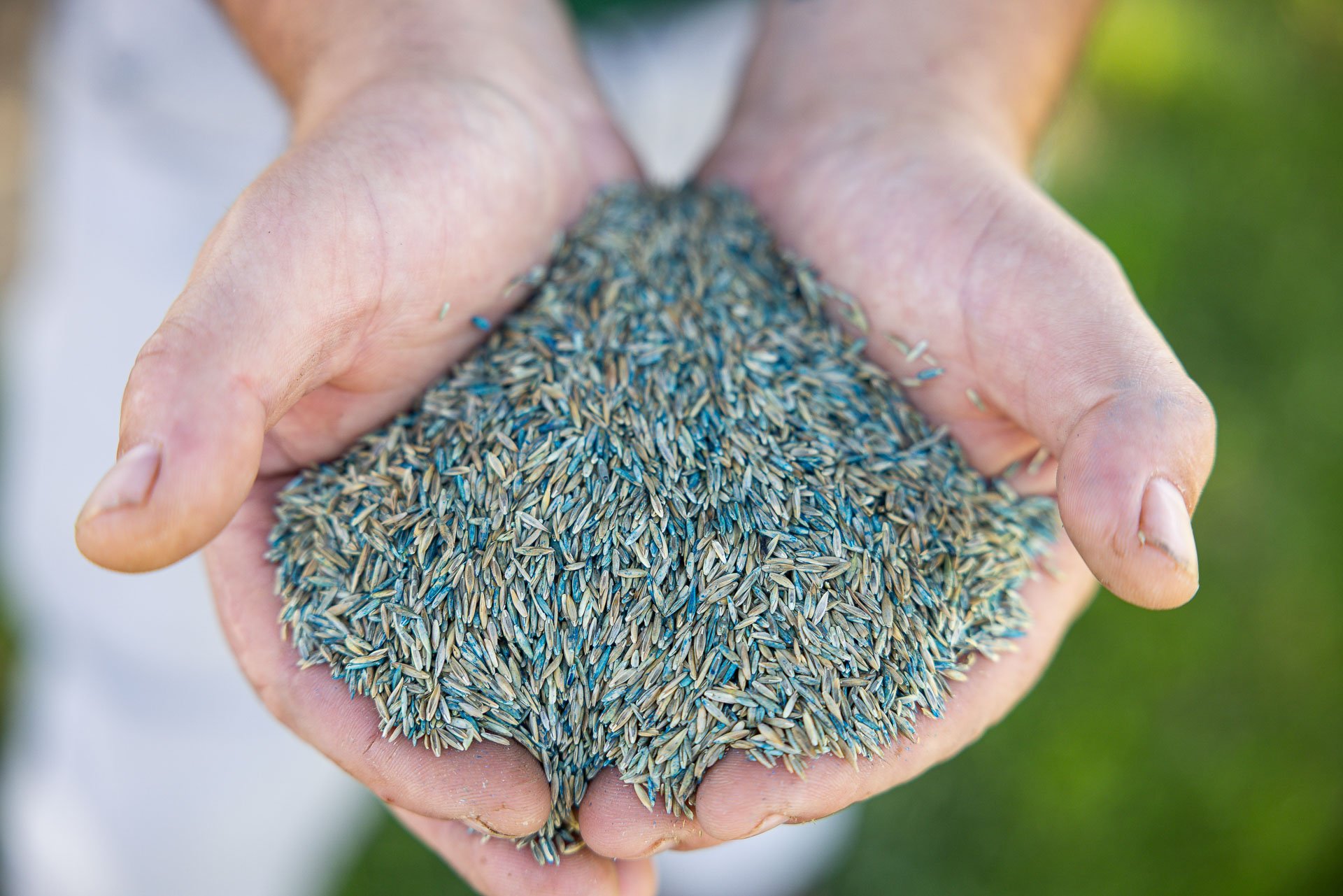
Different grasses have different requirements, so knowing which type of grass makes up your lawn can give you insight into how to better care for it.
Climate Factors
Summers in South Central Pennsylvania can be hot and humid, creating a ripe environment for various diseases to take hold in your lawn. In the winter, snow and ice can also create prime conditions for diseases like snow mold.
In all of these cases, it’s essential to have a lawn care program that addresses the unique needs of your lawn. A thick, healthy lawn is the best solution for many lawn problems - and the right lawn care program is the first step towards that goal.
FAQ: Professional Lawn Care Programs in PA
What’s the difference between basic and comprehensive lawn care?
At Good’s, our basic lawn care regimen includes fertilization, weed control, insect control, grub control, and winterization.
On the other hand, comprehensive lawn care wraps in services such as soil testing, lime applications, flea and tick control, and aeration.
How often should my lawn be treated in South Central PA?
We have found that five visits is the minimum in order to see results and have a successful lawn. If our technicians notice an issue in your yard, they may recommend an additional treatment or service.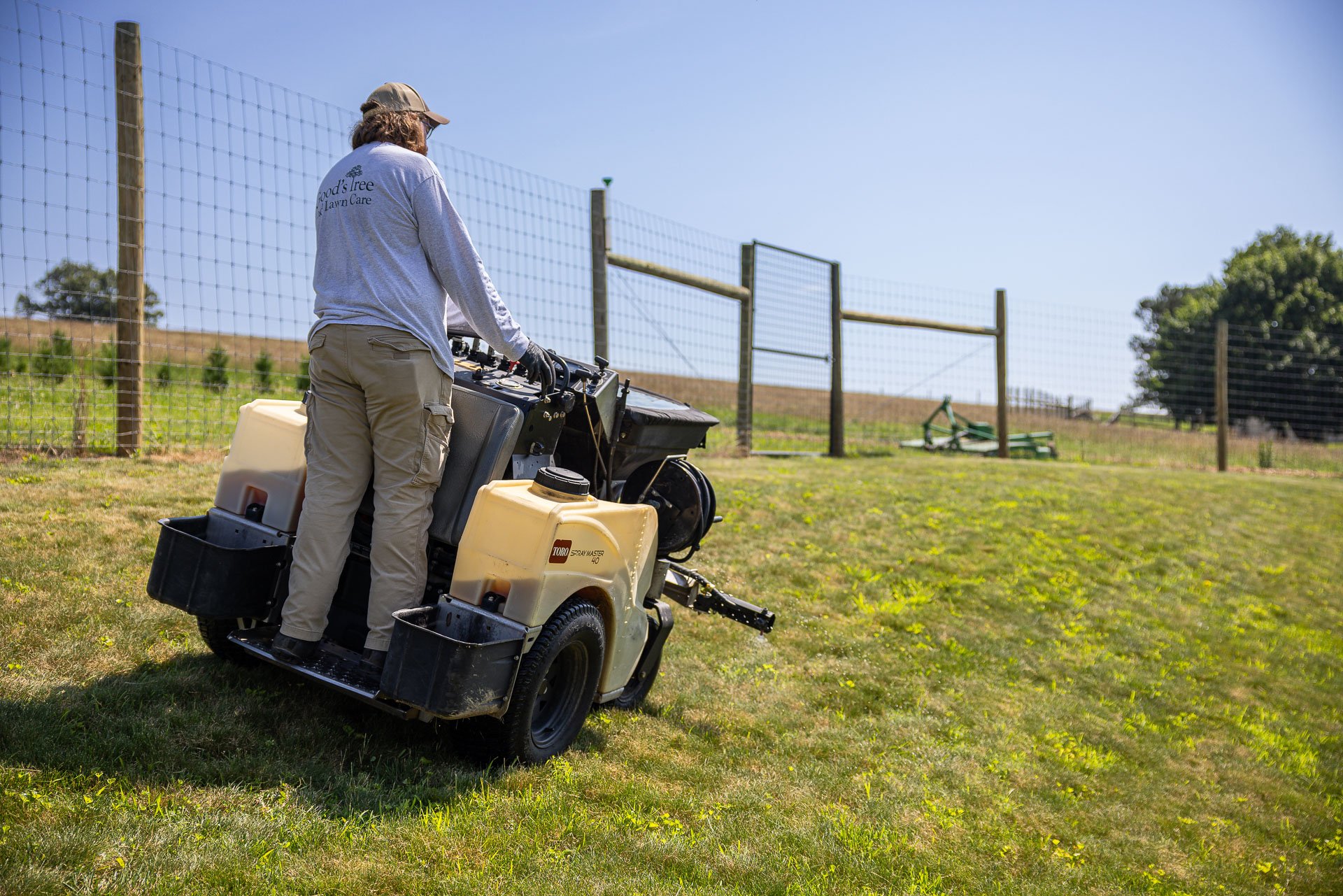
Is professional lawn care really worth it compared to doing it myself?
Yes. Our professional lawn care specialists are trained and certified to apply products to your lawn and can help spot potential problems early, so you can spend your time doing what you love while we keep your yard in tiptop shape.
Plus, using a professional lawn care service takes away all the guesswork, time, and effort that you’d have to spend doing it yourself.
What should I look for in a reputable lawn care company?
Look for a company that provides its employees with the training and educational resources required to tackle your lawn care needs with ease.
To decide on the best local lawn care company for you, you can also check out reviews to see what your neighbors say.
How long does it take to see results from a professional lawn care program?
In many cases, you will start to see results in your lawn within the first few applications. However, in other cases, it may take more time.
If you don’t see results within that time, don’t worry. There’s not always a miracle cure for struggling grass. It may be that your lawn previously lacked nutrients or had a lot of weeds to contend with. Give it a full season to see drastic changes.
A Tailored Approach: A Good Bet
A customized approach really can help you grow green grass from the ground up. Good lawn care goes beyond basic mowing or fertilization. It addresses each layer of your yard to help it stand up to pests, weeds, and any other threats it may face.
Our basic lawn care program includes five visits throughout the year, and our comprehensive package adds services to the basic program, depending on what your lawn needs. In other words, by taking a proactive, year-round approach, rather than going with quick fixes, Good’s helps prevent problems before they start and supports consistent growth throughout the seasons.
If you’re located in Lancaster, Lebanon, Hershey, York, or a surrounding community, call or get a free quote today.


Jon Schach


.png?width=300&height=143&name=Goods%20Tree%20Care%20Logo%202%20(2).png "Goods Tree Care Logo 2 (2)")