.png?width=429&height=204&name=Goods%20Tree%20Care%20Logo%202%20(2).png)
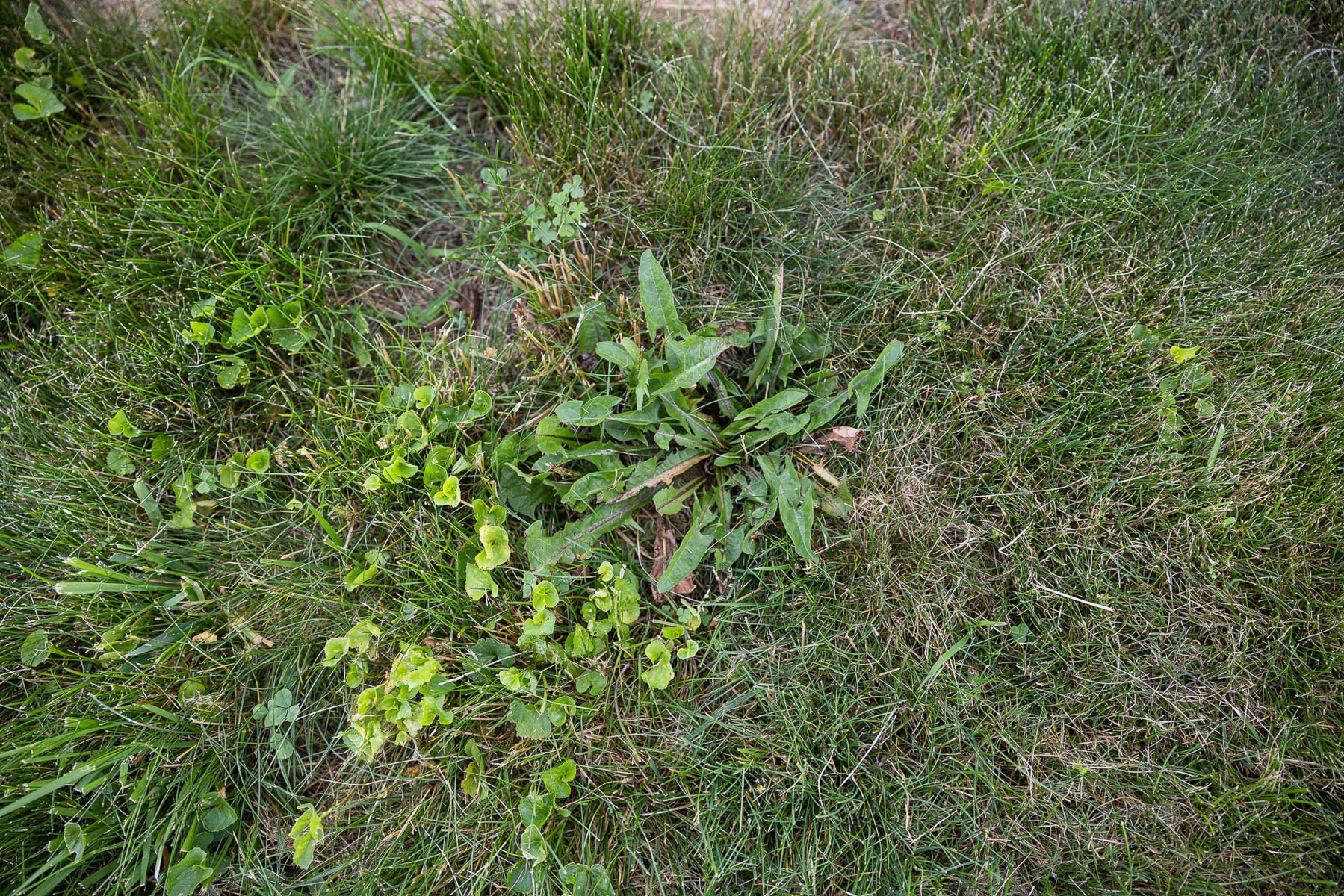

Lawn weeds are more than just unsightly. They are often at the root of your lawn’s problems. Common lawn weeds can invade your lawn and take over, choking out your healthy grass and weakening its overall health and longevity.
Let’s dig into the most common weeds in Pennsylvania, how to identify them, the best ways to prevent and control them, and more.
Jump to:
The Most Common Lawn Weeds in South Central Pennsylvania
How to Identify Lawn Weeds in Your Yard
The Right Way to Control Common Lawn Weeds in PA
Why DIY Weed Control Often Fails
FAQs About Lawn Weeds
Partnering with Good's for Professional Weed Control
The Most Common Lawn Weeds in Pennsylvania
In South Central Pennsylvania, we typically deal with three categories of weeds: broadleaf weeds, grass weeds, and creeping weeds. 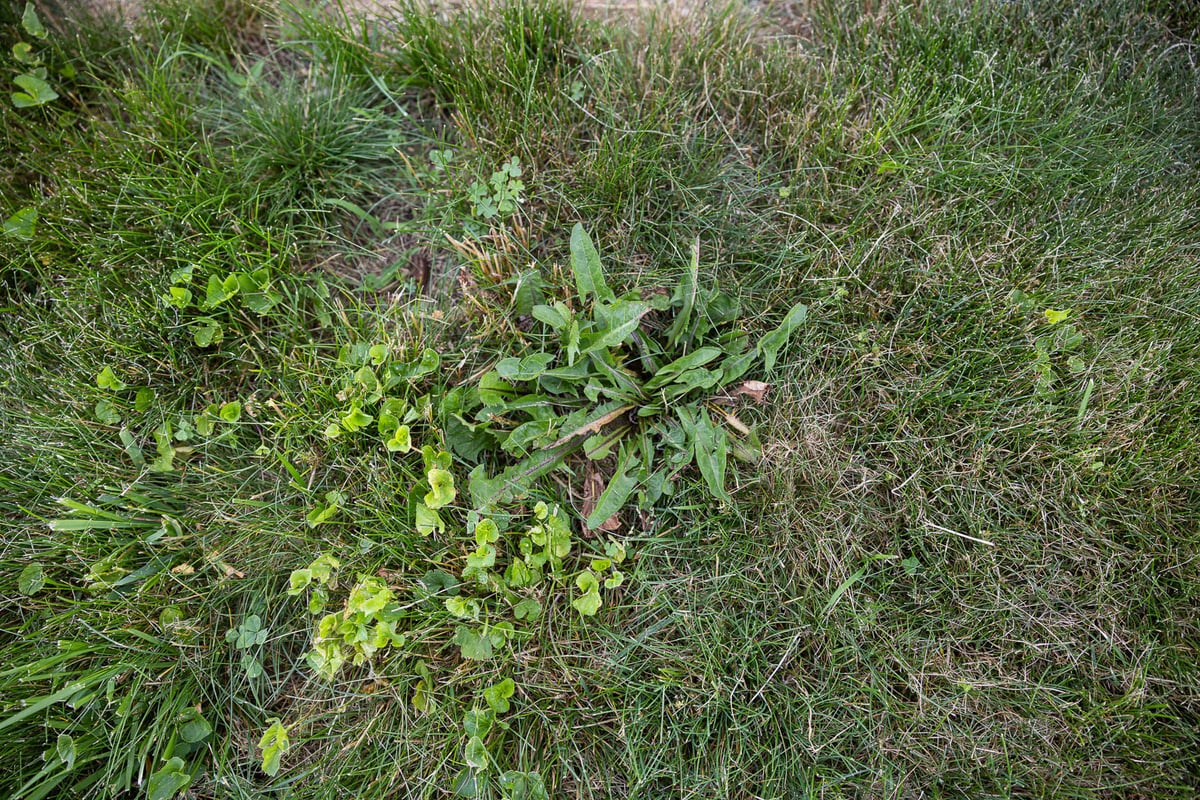 Here’s a look at the most common weed types that fall into each of these categories.
Broadleaf Weeds
Broadleaf weeds look more like plants than grass and, true to their name, feature broad, flat leaves. They also can be identified by an accompanying flower.
Broadleaf weeds also feature deep root systems, making them hard to remove by hand, and their seeds spread fairly aggressively via stolons, or runners coming off the plant.
What’s more, some broadleaf weeds have become resistant to certain types of herbicides, meaning that the timing of weed control applications is critical to prevent these weeds in the first place.
Below are a few examples of the six broadleaf weeds common to Lancaster & Dauphin Counties:
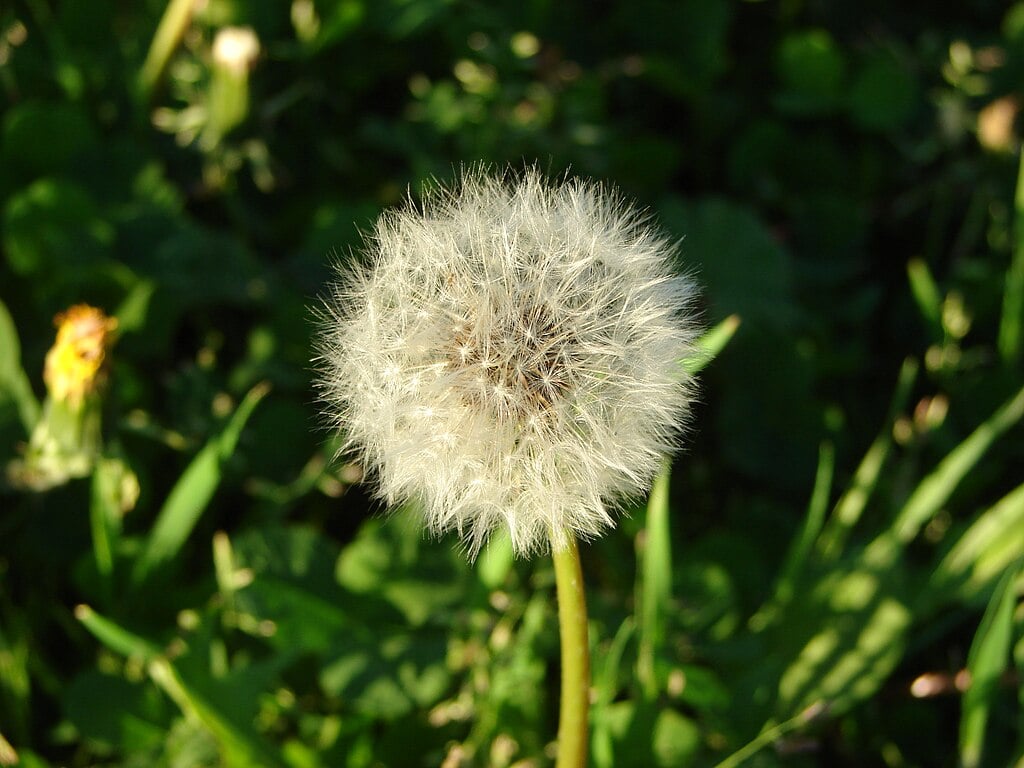
1) Dandelion features toothed, hairless leaves and a single yellow flower. It spreads when the wind disperses its seeds after the flower has transformed into a white puffy ball.
2) Clover often includes three leaves with a white crescent band on each and a white or pink flower. It spreads via rooting stolons.
3) Chickweed has small oval leaves, a small white flower featuring five petals that look like 10 petals at first glance, and a line of fine hairs along its stem. Each low-growing plant can produce hundreds of seeds that remain viable for many years.
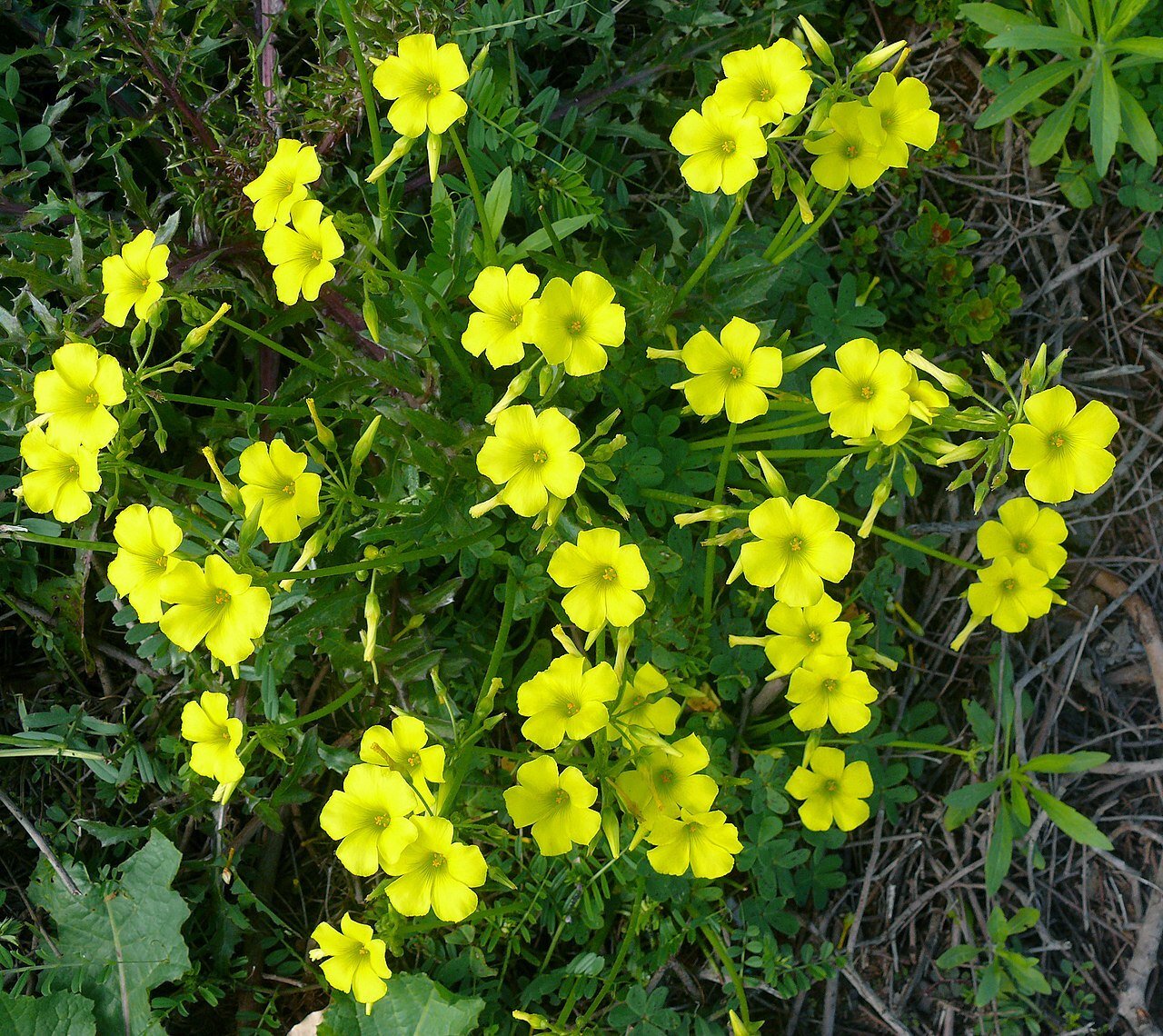
4) Oxalis, also known as wood sorrel, has three leaflets shaped like hearts. It can have a pink, white, or yellow flower. It can spread through its seed pods, underground rhizomes, and surface stolons.
5) Wild violet has heart-shaped, serrated leaves and purplish-blue flowers that include five petals. It spreads via underground rhizomes and shooting seeds.
6) Black medic resembles a clover and has yellow flowers. It can quickly expand across a lawn via its abundant seeds.
Broadleaf Weed Control
While the timing may vary a bit, mid to late spring is the best time to apply treatment for most of these broadleaf weeds.
However, some may emerge in summer or fall. Some of them may even emerge twice if the first application doesn’t provide enough control.
With broadleaf weeds, it’s difficult to prevent them completely, but there are a few things homeowners can do to keep them from taking over your yard.
-
Keep your landscaped areas clean, such as flower beds
-
Cut your grass regularly and don’t let the grass get too high
-
Maintain a thick yard through practices like fertilization, aeration, and overseeding, as broadleaf weeds can easily fill in thinning areas.
Grass Weeds
Grass weeds are quick-spreading weeds that can resemble grass at first glance, making them hard to identify early on. They can be deeply rooted in the ground and produce a lot of seeds.
When dealing with these types of weeds, prevention through a properly timed pre-emergent herbicide application is key.
Here are a few examples of these types of weeds:
7) Crabgrass is light green in color, grows low to the ground, and forms star-shaped clumps. It spreads via rooting stems as well as the thousands of seeds each plant produces.
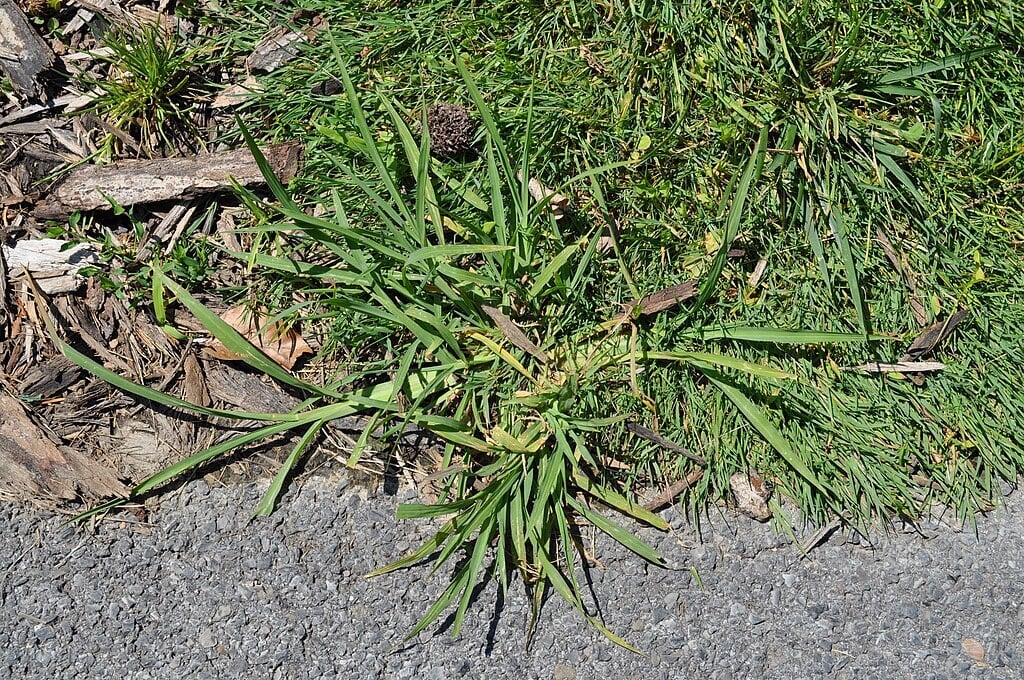
8) Yellow nutsedge has a three-sided stem and glossy yellow to green leaves. It thrives in sunny areas and spreads via underground rhizomes and small tubers.
9) Dallisgrass features coarse and wide dark green blades. It grows upright and can be identified by its tall seed stalks filled with drooping seeds. It spreads via these seeds as well as underground rhizomes.
10) Goosegrass somewhat resembles crabgrass, but it has a flattened silvery center and a rosette pattern. It has spiky seedheads, which is how it spreads rapidly. It prefers heavily compacted soil.
11) Annual bluegrass, or Poa annua, is light green and features boat-shaped leaf tips and seedheads shaped like pyramids. It spreads its massive amounts of seeds rapidly through these seedheads.
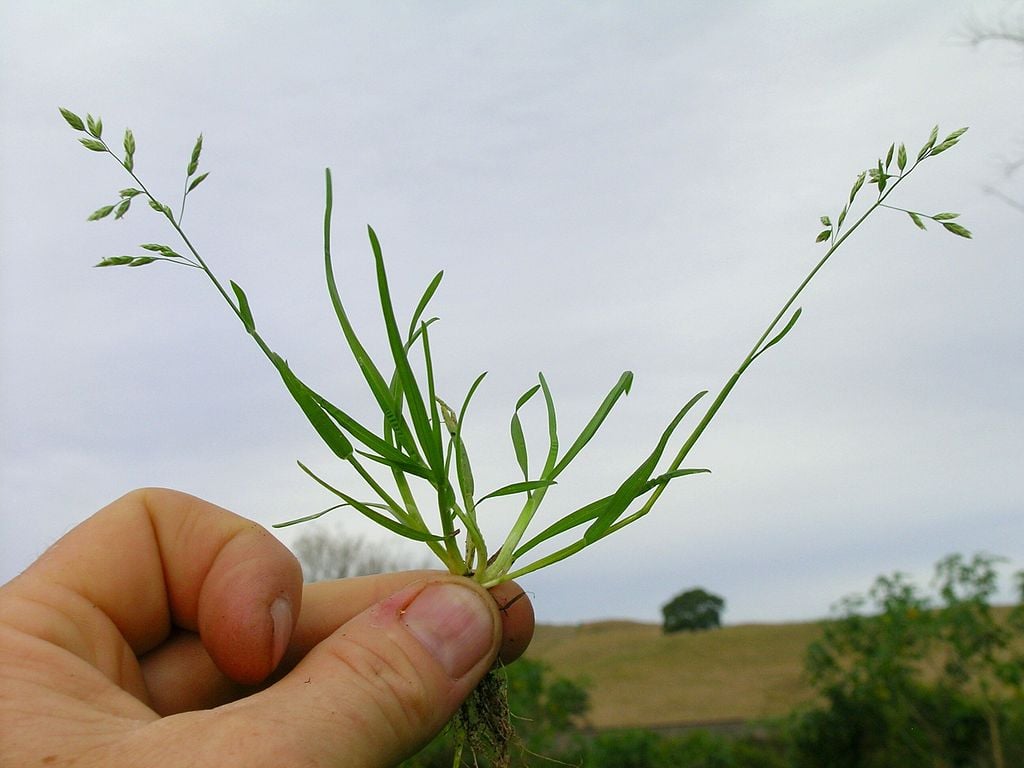
12) Bermudagrass and zoysiagrass are grass types native to other areas of the country, but in South Central Pennsylvania, they are invasive. Bermudagrass, which prefers full sun, can be light to dark green and pointed tips, while zoysiagrass is denser with a stiff texture. It thrives in shadier areas.
Grass Weed Control
In addition to putting down a pre-emergent weed control (beginning in March through the end of April or beginning of May), the best way to keep grass weeds out is to maintain a thick and healthy lawn.
If you do notice something that looks like a grass weed, try to take care of it as soon as possible by performing a spot treatment on the weed or call in a professional lawn care specialist to assist you.
Creeping Weeds
Creeping weeds are low-growing invaders that can spread horizontally across your lawn, forming thick patches throughout the yard.
Creeping weeds spread by crawling across your lawn in two ways: via surface stolons and through underground rhizomes. Some also spread via seeds.
Examples of creeping weeds include:
13) Creeping Charlie has scalloped, opposite leaves, square stems, and blue flowers in the spring. It prefers moist, shaded areas and can form dense mats across your yard.
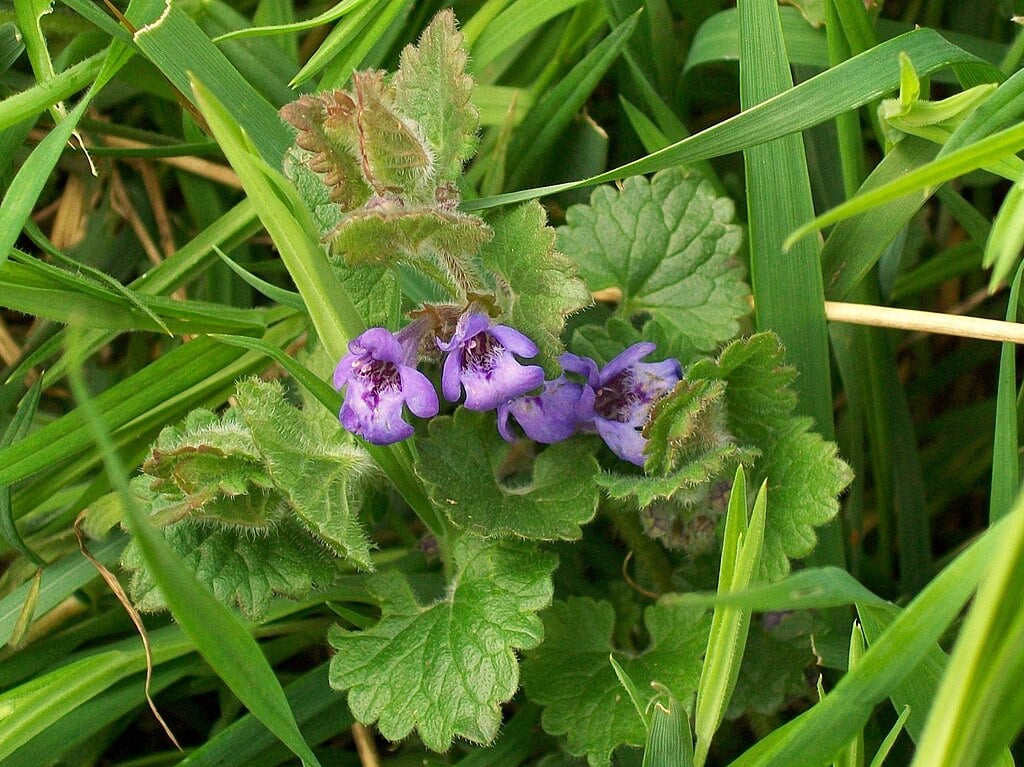
14) Purslane features thick, red stems, paddle-shaped leaves, and yellow flowers. It spreads via seeds and through fragments of its stem.
15) Spotted spurge, which spreads via seeds, is another mat-forming weed that can take over dry thinning areas of your yard. It has red, hairy stems that originate from a taproot that can grow out 3 feet in diameter. It also has small leaves that are dark green in color and often feature a purple spot.
16) Nimblewill appears as light green patches in the yard. Its leaves are short and stiff, often resembling a ladder. The weed spreads via creeping stolons and seeds.
Creeping Weed Control
Preventive measures are the best way to control these types of weeds, with one application taking place in the early spring, when soil temperatures have reached 55 degrees F for a few consecutive days, and again in the early fall to take care of fall-germinating weeds.
How to Identify Lawn Weeds in Your Yard
Determining which type of weed has taken over your yard is crucial to the treatment process of each weed as it will determine what product is applied, when it is applied, and more.
Be sure to pay attention to the leaf shape, growth pattern, root system, seasonal appearance, and whether or not the weed has a flower as these can all be helpful guides as to what type of weed you are dealing with and what stage of its lifecycle it's currently in.
If you are stumped, there are several plant identifying apps you can download on your phone to help with identification or contact a local turf expert for their diagnosis and subsequent treatment plan.
The Right Way to Control Common Lawn Weeds in PA
Depending on what type of weed plagues your lawn, there are various ways to control them.
Pre-Emergent Control
Taking place in early spring, pre-emergent control tackles weeds before they ever emerge. It’s much easier to prevent certain weeds (like crabgrass) than control them after they’ve already appeared.
Post-Emergent Broadleaf Treatments
For broadleaf weeds in particular, complete proactive control is not always possible, which is why these weeds may also require a post-emergent treatment after they have appeared.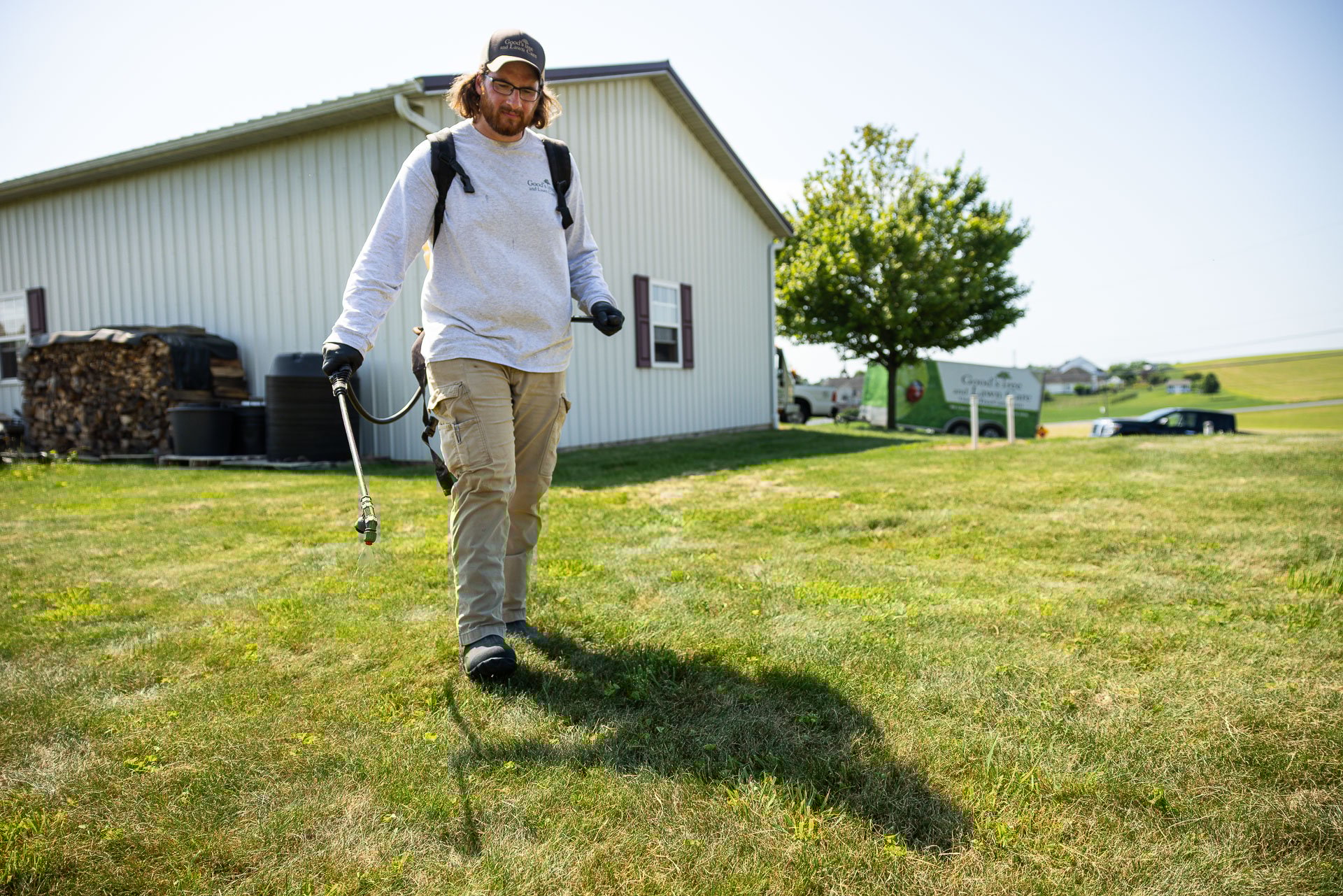
At Good’s, we handle this type of treatment on an as-needed basis. It’s essential, however, that you let your lawn care technician know as soon as you start to see weeds take hold in your yard.
Turf Health and Fertilization as Prevention
Maintaining a healthy yard is the best way to help your grass stand up to weed invaders.
Homeowners can do things like mow frequently, water your grass about 1 inch per week (around 20-25 minutes) and keep flower beds clear of weeds that could make their way into the grass.
A professional lawn care program designed for South Central Pennsylvania will include things like fertilization, aeration, and overseeding that can help keep your grass thick, lush, and ready to withstand an attack throughout the year.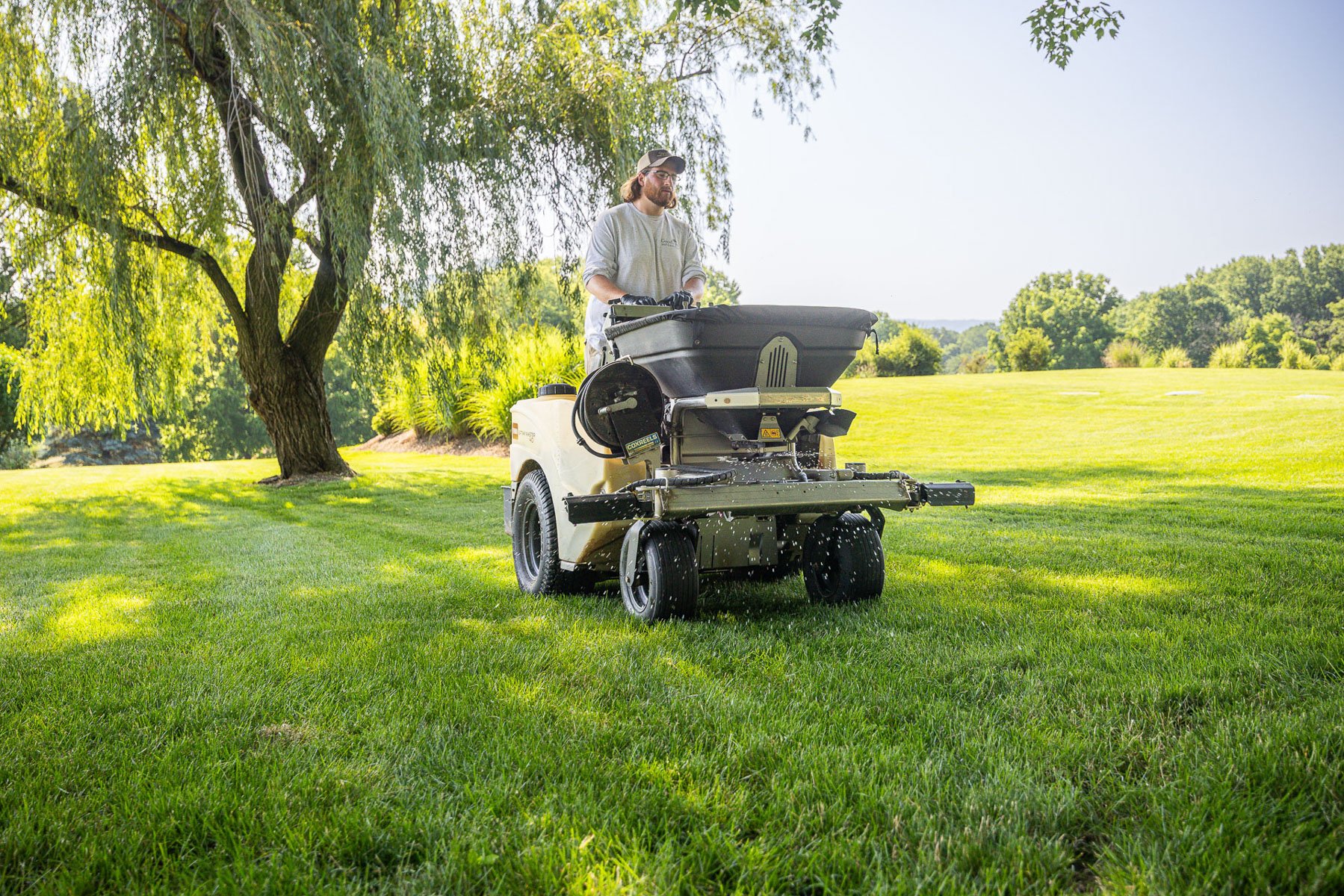
Why DIY Weed Control Often Fails in Pennsylvania
In order to prevent weeds from taking over your lawn, it’s often best to enlist the help of an expert, like the lawn care specialists at Good’s.
Putting down the wrong product for a weed type, applying the product at the wrong time, or putting too much or too little product down can negatively affect your lawn’s overall health and actually make it even easier for weeds to take over.
What’s more, lawn care specialists can appropriately apply weed control and perform other tasks, such as fertilization and aeration, to help bolster the overall strength of your lawn.
When to Call a Professional for Weed Control
If you’re wondering whether professional weed control is for you, consider the following questions:
-
Do the weeds return to your yard year after year?
-
Have creeping weeds taken over a large portion of your lawn?
-
Does your yard exhibit thinning or bare spots?
-
Does your yard have multiple types of weeds growing in it?
If you’ve answered “yes” to any of the above questions, professional weed control and an accompanying lawn care program are the best solution.
Every lawn is different, but wooded lawns may tend to experience weed pressure, as do lawns with full sun if the grass itself is not thick enough.
FAQ About Lawn Weeds
What are the most common weeds in Pennsylvania?
While there are several different types of weeds in South Central Pennsylvania, the three that we see most commonly are clover, dandelion, and wild violet.
Why does my lawn have so many weeds?
If left unchecked, weeds can take over a lawn pretty quickly. Be sure to follow proper mowing and watering practices and take the necessary steps to eradicate weeds as soon as you see them.
Thinning lawns that are already unhealthy tend to be prime targets for weeds to take over, so adding in practices like fertilization, aeration, and overseeding can be helpful to improve the overall density and quality of your lawn.
Can I get rid of lawn weeds without harming my grass?
If you notice a few weeds here and there, you can try to pull them by hand. However, be wary that you need to remove the entire root system; otherwise the weed will simply grow again.
If you attempt to put down an herbicide, it is imperative that you get the timing and rate exactly right. Otherwise, you can cause damage to your lawn.
Do I need professional weed control?
Professional weed control can save you the time and effort of learning seasonal schedules, different products, application rates, and much more. A pro will keep weeds in check, so you can enjoy a green, healthy lawn.
Professional Weed Control from Good’s in Lancaster and Dauphin Counties
Don’t wait for weeds to make their mark on your lawn. Get ahead of the problem with proactive lawn care from Good’s. If you’re in Lancaster, York, Dauphin County, or any of the surrounding areas of South Central Pennsylvania, call Good’s today or fill out our form to receive a free quote to nip weeds in the bud.

Image Sources: dandelion, oxalis, crabgrass, poa annua, ground ivy

Jon Schach


.png?width=300&height=143&name=Goods%20Tree%20Care%20Logo%202%20(2).png "Goods Tree Care Logo 2 (2)")