.png?width=429&height=204&name=Goods%20Tree%20Care%20Logo%202%20(2).png)
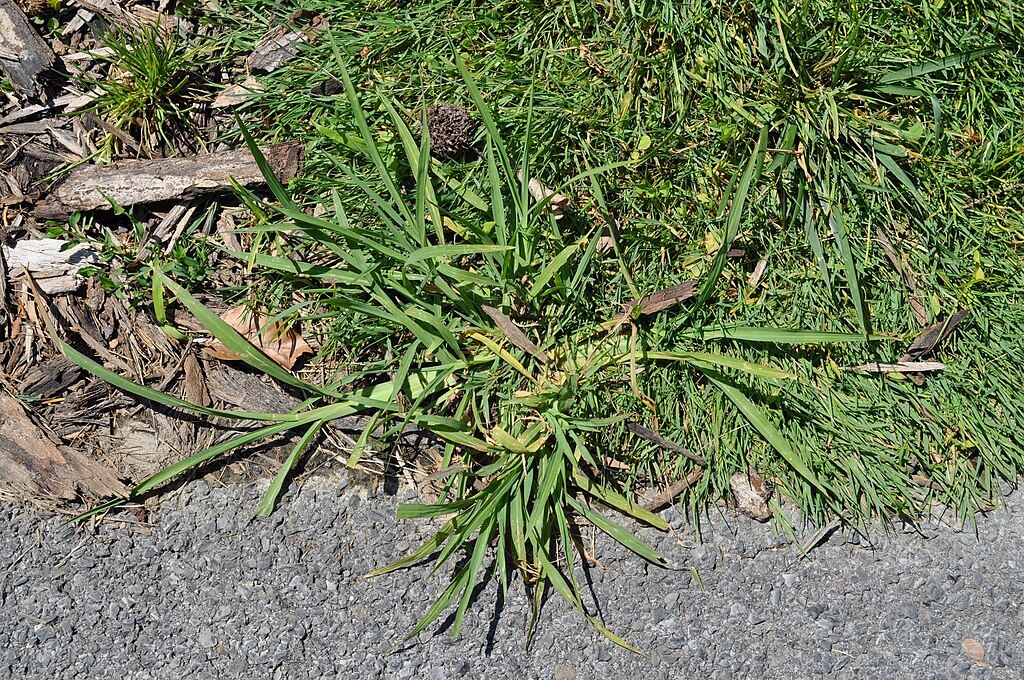

Crabgrass doesn’t need an invitation to come out of its shell.
A warm-season annual weed, crabgrass grows aggressively, clawing its way into a takeover of your lawn, edging out the healthy grass you’ve worked years to cultivate and maintain, and ruining the curb appeal of your home in the process.
Unfortunately, in climates like South Central Pennsylvania, crabgrass feels right at home. It thrives in hot, dry conditions, and prefers compacted soil (a common state of South Central Pennsylvania’s predominantly clay soil). Colder winter temperatures knock it out, but not before it has the chance to drop thousands of seeds for next season.
To help prevent this weed from sprawling across your entire lawn, we’ve put together a guide that covers how to identify crabgrass, how to prevent it, available treatment methods, and more to help you care for your lawn.
Jump to:
What Does Crabgrass Look Like?
How to Prevent Crabgrass in South Central PA
How to Treat Crabgrass if It's Already Growing
Crabgrass FAQs
Partnering with Good's for Weed Control
What Does Crabgrass Look Like?
Crabgrass is perhaps one of the most persistent weeds that can take over your South Central Pennsylvania lawn.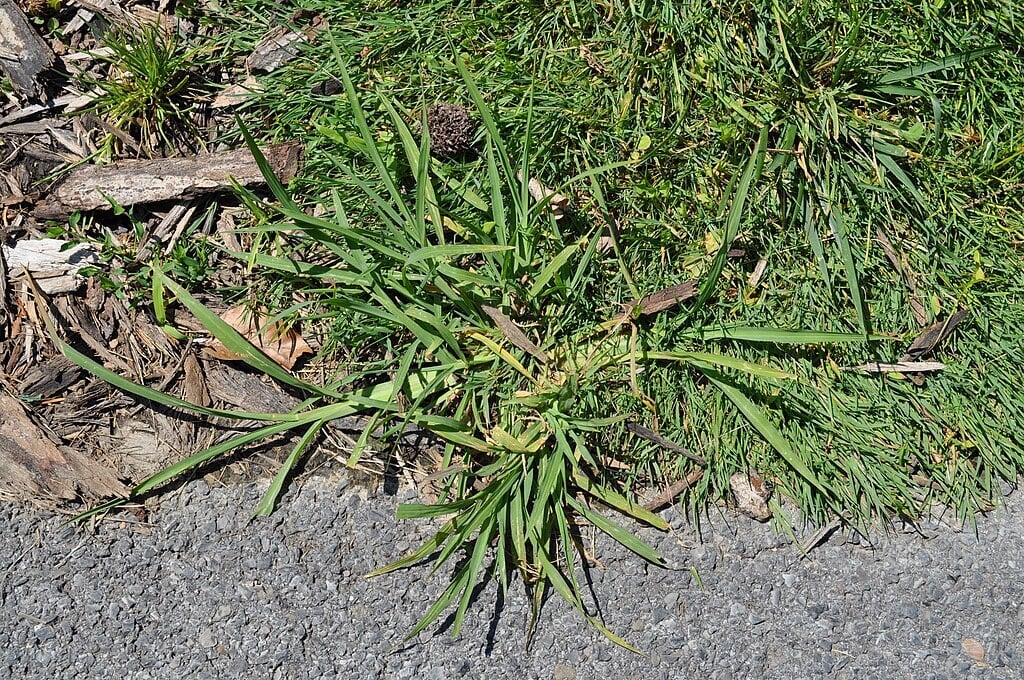
It’s a coarse, light green weed with a shallow root system and wide, flat leaves that grow in clumps. Its sprawling stems can resemble crab legs, hence the name.
When mature, it can be as wide as a dinner plate, and down the center its stems have a purple color.
It’s particularly difficult to deal with because it grows quickly in hot, dry conditions, and each plant can produce thousands of seeds.
Crabgrass can be especially prevalent in thinning or bare areas of your lawn. You may also see it along the edges of your flower beds, along sidewalks, or next to the curb, especially if those areas have been trimmed down to the soil by a weed whacker.
Crabgrass Life Cycle
When do you need to be most concerned about crabgrass?
Crabgrass germinates in the spring, when soil temperatures reach 55 degrees or higher for three to five consecutive days. Its peak growth, however, is in the summer, as it thrives in the heat.
While it dies off in the fall when temperatures become colder, crabgrass seeds remain in the soil, ready to sprout again the following season.
That’s why being vigilant about what’s happening in your yard and taking care of crabgrass with a pre-emergent treatment is so important. It’s much more effective to prevent crabgrass than it is to control it.
How to Prevent Crabgrass in South Central PA
Prevention is the best medicine when it comes to crabgrass. To prevent seeds from the previous season from taking hold, springtime (roughly March through early April) is typically the best time for a pre-emergent crabgrass treatment. It’s crucial that the application is put down before the seeds have a chance to germinate.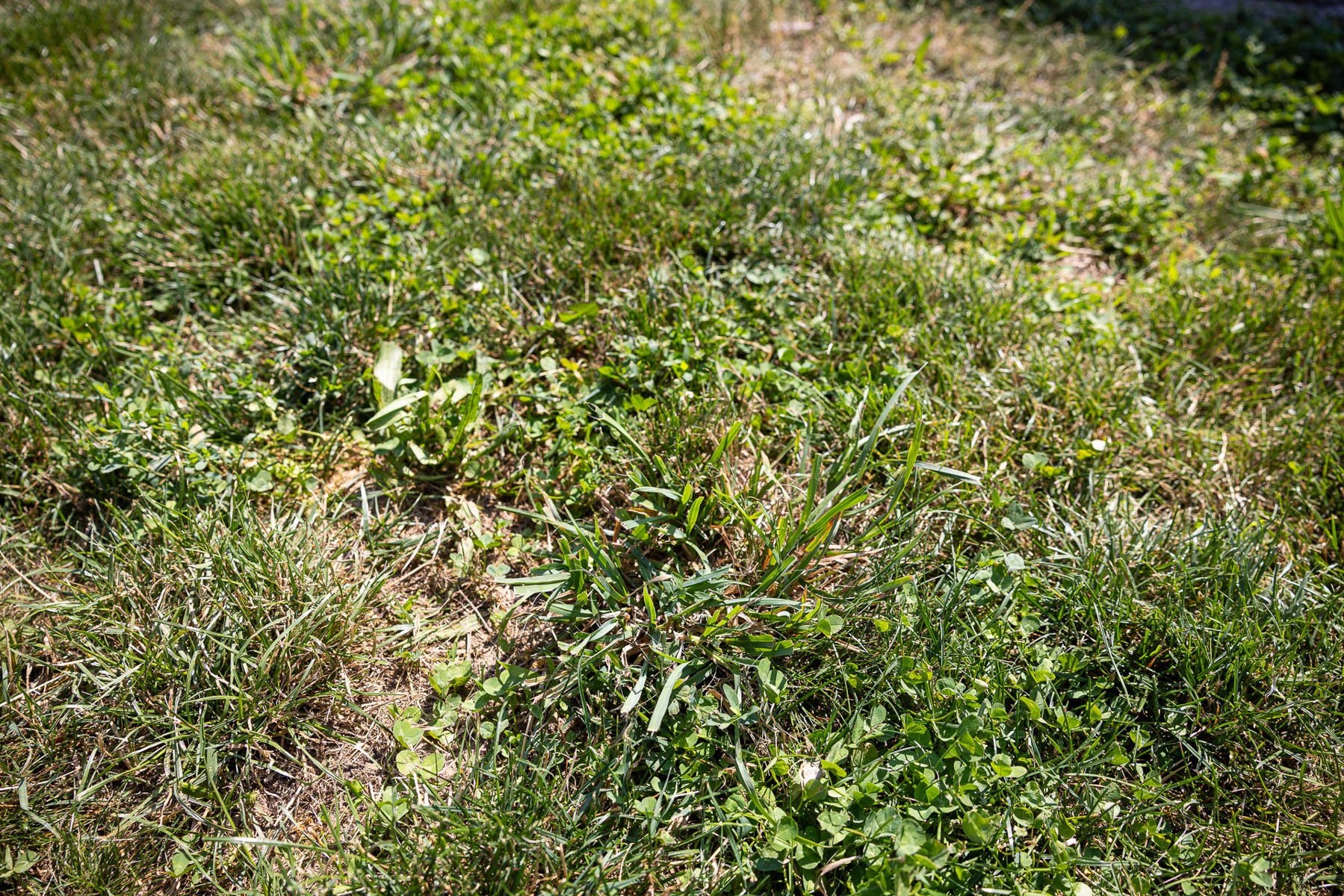
You should also be aware that crabgrass especially thrives when your grass is stressed. So, for example, if your lawn is already suffering from drought stress in July, that provides a ripe opportunity for crabgrass to take over.
In addition to applying a pre-emergent, there are a few other things you can do to help your yard stand up to crabgrass.
Fertilize
Fertilizer in the spring can help promote top growth, meaning that healthy grass will help crowd out any potential threats like crabgrass.
In the summer, it can help give your lawn the extra boost it needs, and in late fall, a winterizer treatment can help give the grass roots something to feed on over the winter.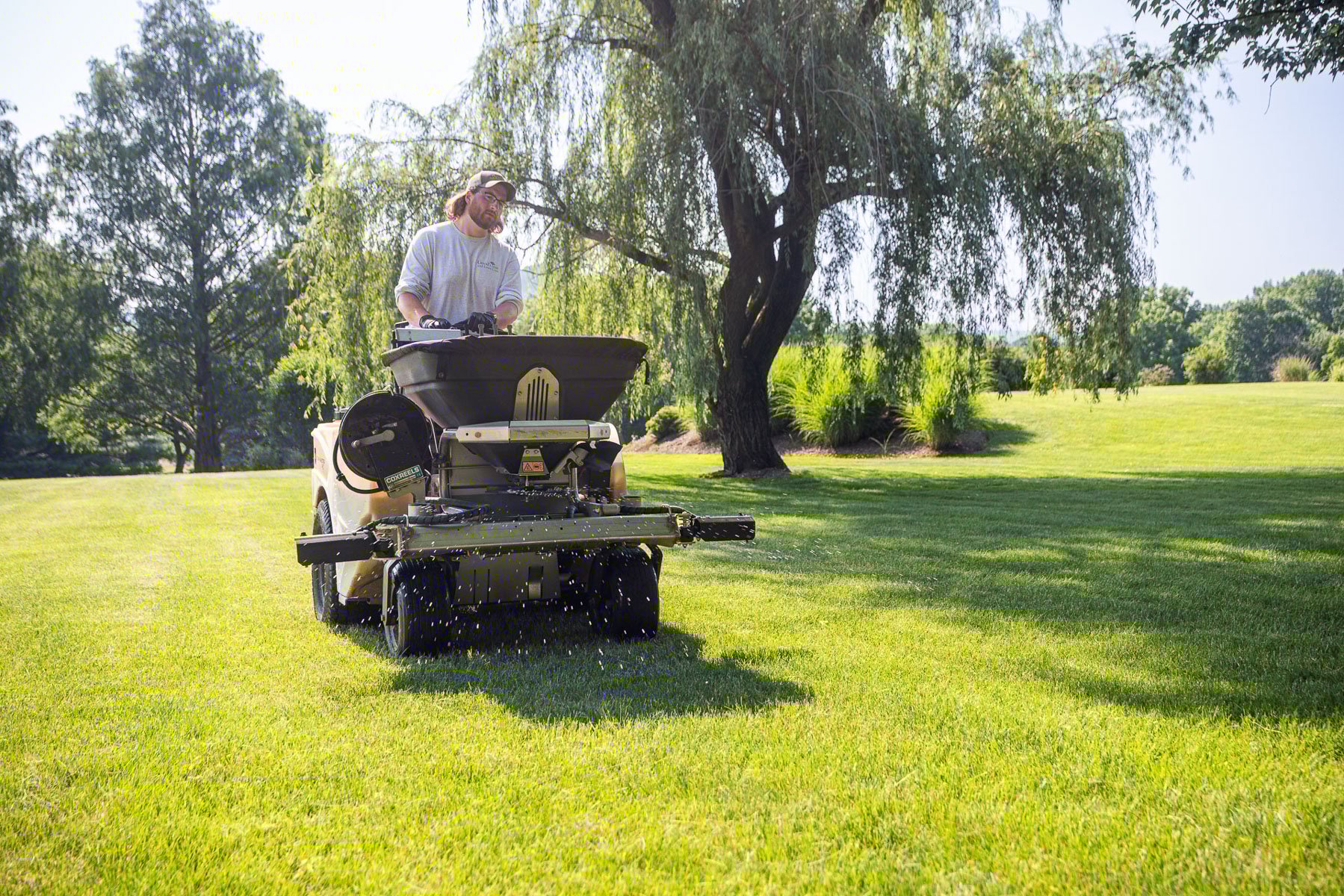 Mow at the Proper Height
Be sure not to mow your grass too short, as this can actually stress out your turf and make it more susceptible to crabgrass takeover. We recommend a mow height between 3-4” and never cutting more than a third of the grass blade.
You should also take care to not weed whack your grass too close to the soil because you can actually break the pre-emergent product down, opening up the door for a crabgrass invasion.
Water Appropriately
It’s no secret that your grass can suffer from the heat in the summer, so it’s a good idea to give it a drink every so often, especially if it hasn’t rained in a while. Just be sure to not overwater the lawn, as this can create ideal moist conditions for various lawn diseases that can weaken your lawn’s overall condition.
Aerate & Overseed
Aeration breaks up the compacted conditions in which crabgrass thrives, and overseeding can help thicken up your grass and introduce new turf varieties to your yard, bolstering its overall health and allowing it to fend off threats like crabgrass.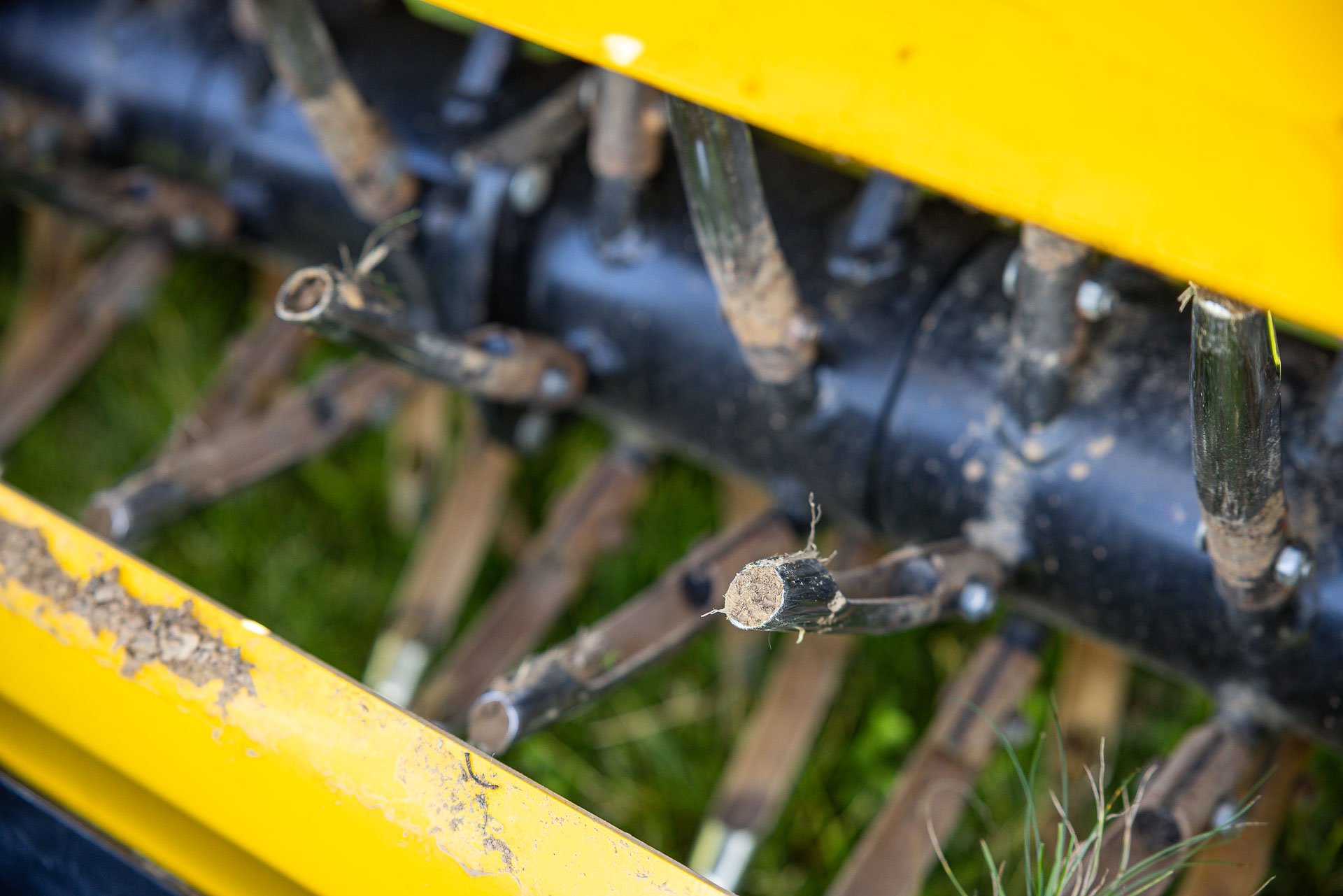
How to Treat Crabgrass If It’s Already Growing
If you do see that crabgrass has begun to take over your lawn, there’s no need to panic. It’s more difficult to eradicate it after it has emerged, but you can still take steps to get rid of it using a post-emergent product.
The key is to not wait. Stay vigilant and be prepared to take the necessary steps as soon as you see crabgrass starting to take hold.
Why DIY Crabgrass Control Often Fails
While you can apply pre-emergent and post-emergent products on your own, options from big box stores typically aren’t as effective as professional grade products. Plus, there are a few mistakes homeowners often make when trying to get rid of crabgrass on their own.
Here’s a look at some of these pitfalls.
1) Not Following Label Instructions
Both pre- and post-emergent products need to be applied at the right amount. Read the label and follow the instructions exactly.
Over-applying a product can cause damage to your lawn, while under-applying can lead to crabgrass taking over anyway.
2) Incorrect Application Timing
Not putting down preventive products in the spring means that crabgrass has already had a chance to spread throughout your lawn. Once it starts growing, it’s a lot more difficult to control.
3) Improperly Digging Up Crabgrass By Hand
While it is possible to dig up crabgrass by hand, you should only do this if you see only a few crabgrass plants, and it’s absolutely crucial that you make sure you tackle all the roots as well. Otherwise, it will regenerate from the remaining root system and continue spreading and growing.
Frequently Asked Questions
When should I apply crabgrass preventer in Pennsylvania?
Crabgrass preventer should be applied in March through early April for the best results.
Is crabgrass the same as other common lawn weeds?
While crabgrass can resemble other common weeds such as goosegrass, dallisgrass, or even several different types of fescue grasses, it is different in how quickly it can spread, and it also spreads exclusively by seed.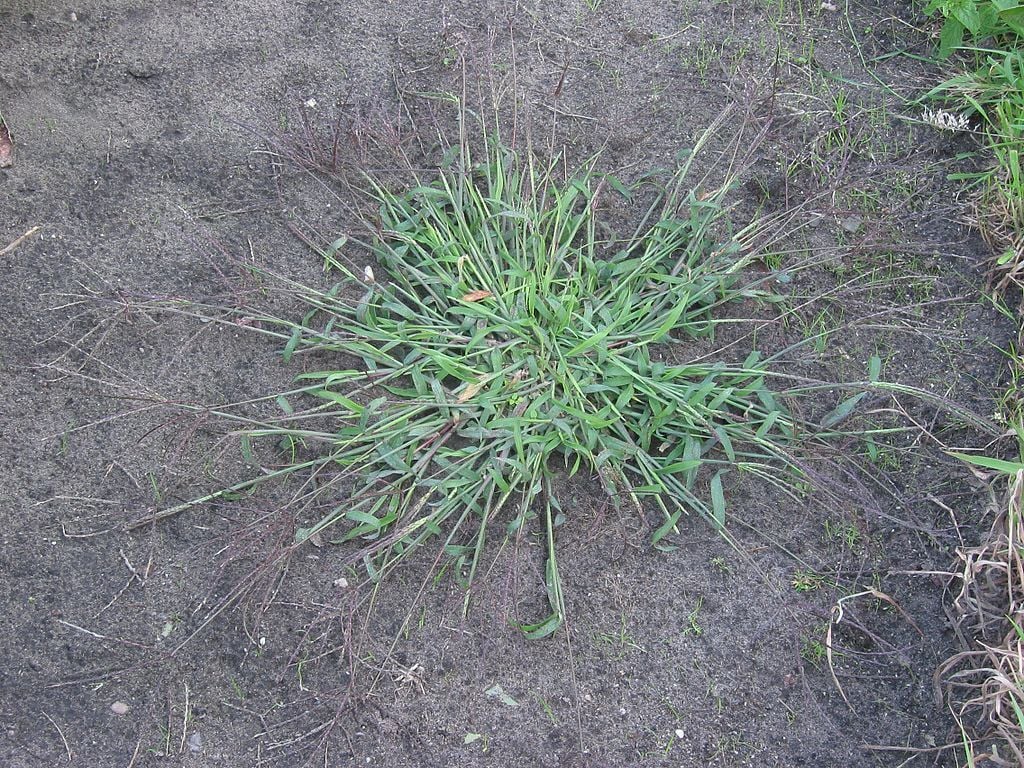
What’s the difference between pre-emergent and post-emergent crabgrass control?
Pre-emergent crabgrass control is applied before crabgrass appears and stops crabgrass seeds from actually germinating, while post-emergent crabgrass control is put down afterward to treat breakthrough weeds. Pre-emergent methods are typically much more effective at treating crabgrass.
Can crabgrass be pulled by hand?
If you only notice a few crabgrass weeds in your yard, you can attempt to dig them out by hand. However, you must take care to get all of the roots when you pull it out. Otherwise, it will just continue to spread.
Will crabgrass come back every year?
If left unchecked, crabgrass can reemerge year after year. This is because even though the weed dies when cold temperatures hit, each plant can produce thousands of seeds that overwinter in the soil, ready to emerge the following spring.
How Good’s Tree and Lawn Care Helps Homeowners Prevent Crabgrass for Good
Unhealthy lawns are the most susceptible to crabgrass invasion, so it’s important to keep your lawn strong.
Keeping your lawn healthy and free of crabgrass involves a little more work than simply applying a crabgrass pre-emergent treatment and calling it a day. This is where a comprehensive lawn care program can be especially useful.
When it comes to building a healthy, weed-free lawn, the experts at Good’s have your back. Our licensed experts know exactly how much product needs to be put down and how to time it just right so it aligns with South Central Pennsylvania’s local conditions.
In addition to crabgrass prevention, our lawn experts perform fertilization in conjunction with other weed control, insect and grub control, aeration and overseeding, and more. Crabgrass spreads fast, but the right prevention plan can stop it in its tracks. If you’re located in South Central Pennsylvania, fill out our free quote form to schedule your lawn evaluation today.
Image Sources: crabgrass, crabgrass in soil

Jon Schach



.png?width=300&height=143&name=Goods%20Tree%20Care%20Logo%202%20(2).png "Goods Tree Care Logo 2 (2)")