.png?width=429&height=204&name=Goods%20Tree%20Care%20Logo%202%20(2).png)

Proper care is essential to the health of the trees in your yard.
If you’re feeling stumped about what your trees need, we’ve got you covered.
In this tree care primer, we’ll guide you on:
The Importance of Tree Care in Pennsylvania
How to Tell if Your Tree is Healthy
Common Tree Pests and Disease in Pennsylvania
Pruning Trees the Right Way
When Tree Removal Becomes Necessary
What to Know About Tree Stump Grinding
Supporting Trees with Cabling and Bracing
Why Work with an ISA Certified Arborist
FAQs About Tree Care in Pennsylvania
Why Trust Good's for Tree Care in South Central Pennsylvania
The Importance of Tree Care in Pennsylvania
So, why is tree care so important?
Properly taking care of your trees not only spruces up your yard, boosting your home value and your property’s curb appeal, but it’s also a matter of safety.
In fact, there’s real risks to chronic neglect, especially where you have large mature trees, whether it be infiltration by pests and disease, falling limbs, or, in the worst cases, total failure.
To achieve a yard full of healthy trees in South Central Pennsylvania, a proactive approach is key. It’s much easier to prevent pests, diseases, and other issues so they don’t become a bigger problem down the line.
How to Tell If Your Tree Is Healthy
There are a few ways that you as a homeowner can tell whether or not your tree is healthy.
Signs of Healthy Trees
Look for trees to have a full canopy of leaves without wilting, discolorations, or other abnormalities. 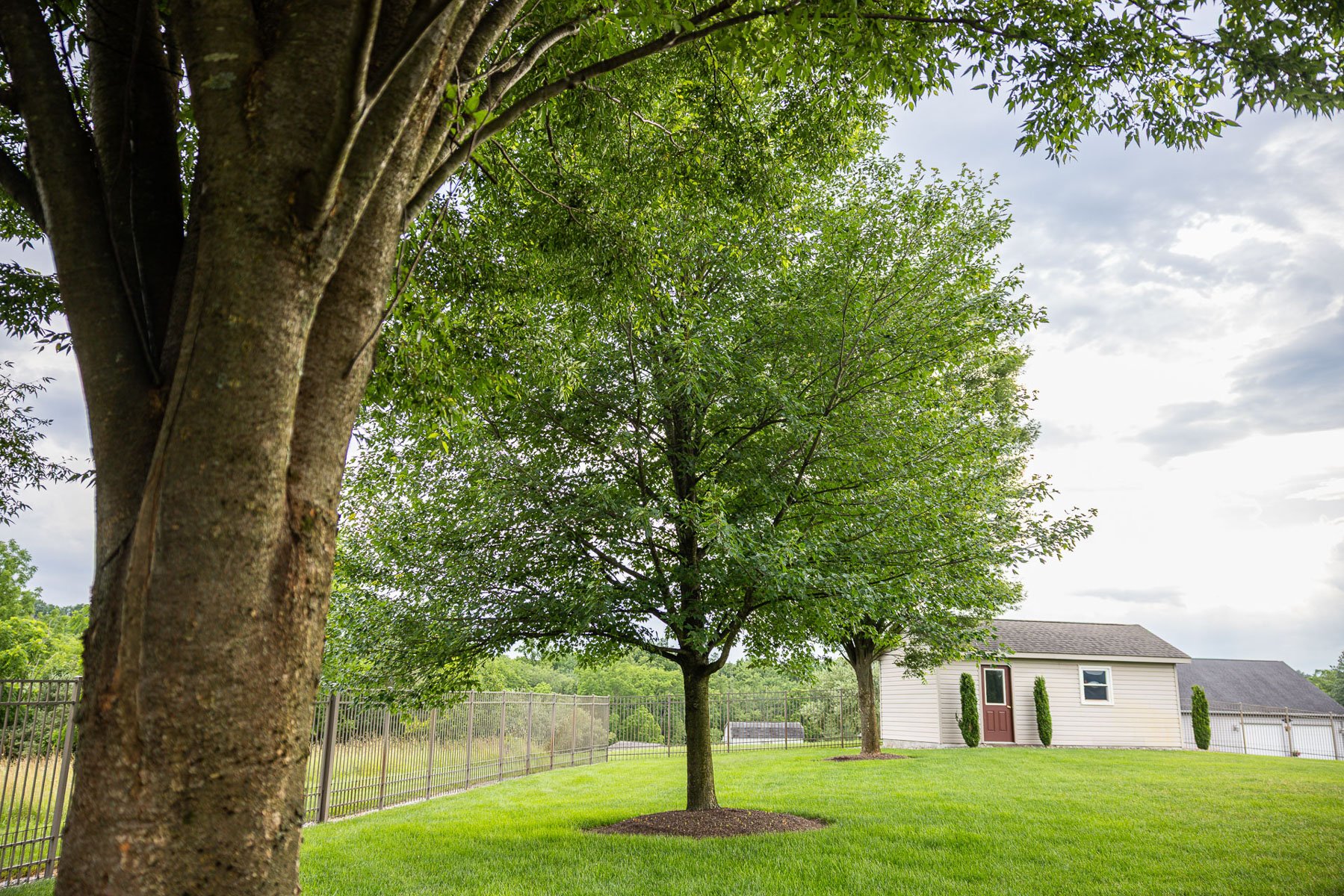
Healthy trees also produce finer twigs and buds, which are most easily noticed in the winter when the trees enter dormancy.
Finally, look for a U shape where branches meet, rather than a V shape. A U shape indicates that there is a healthy union between branches. A V shape may be a sign of structural instability.
Signs of Unhealthy Trees
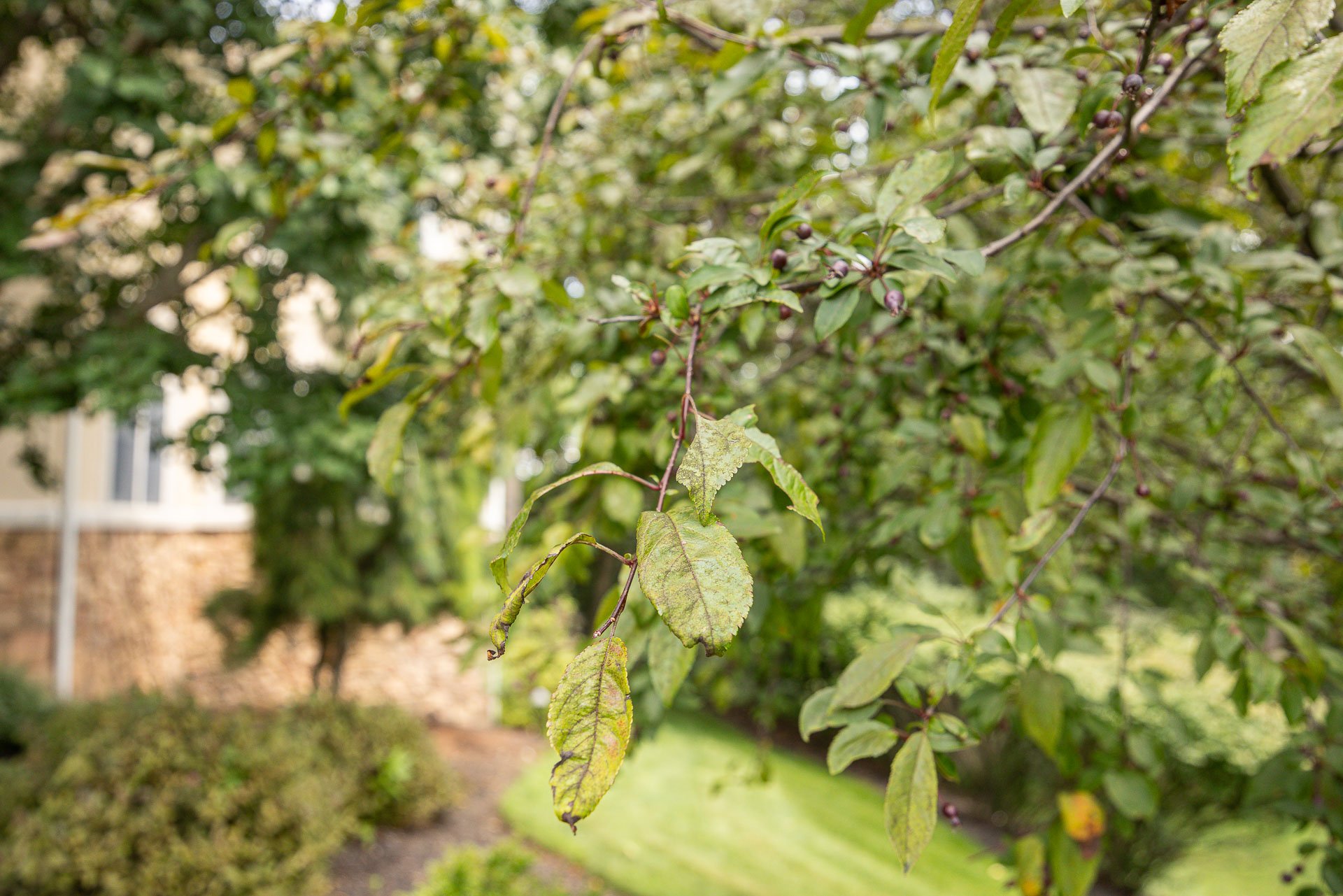
Discolored or Wilting Leaves
During the growing season, leaves of deciduous trees are the most obvious indicator that something may be wrong with your tree. Things to look for include:
-
Spots on leaves
-
Tattered leaves
-
Fewer leaves than usual
-
Smaller leaves than usual
-
Chewed up leaves whether on the margin or holes in the middle
-
Skeletonized leaves
-
Droopy leaves
-
Crispy leaves
-
Off color leaves
-
Leaves falling off the tree
Twigs and Branches
In the winter we can evaluate the health of trees by looking at twigs, buds and branches. Dead and declining branches tend to lack the finer twigs and buds. Often the bark sloughs off of dying branches revealing a brighter color that helps them stand out.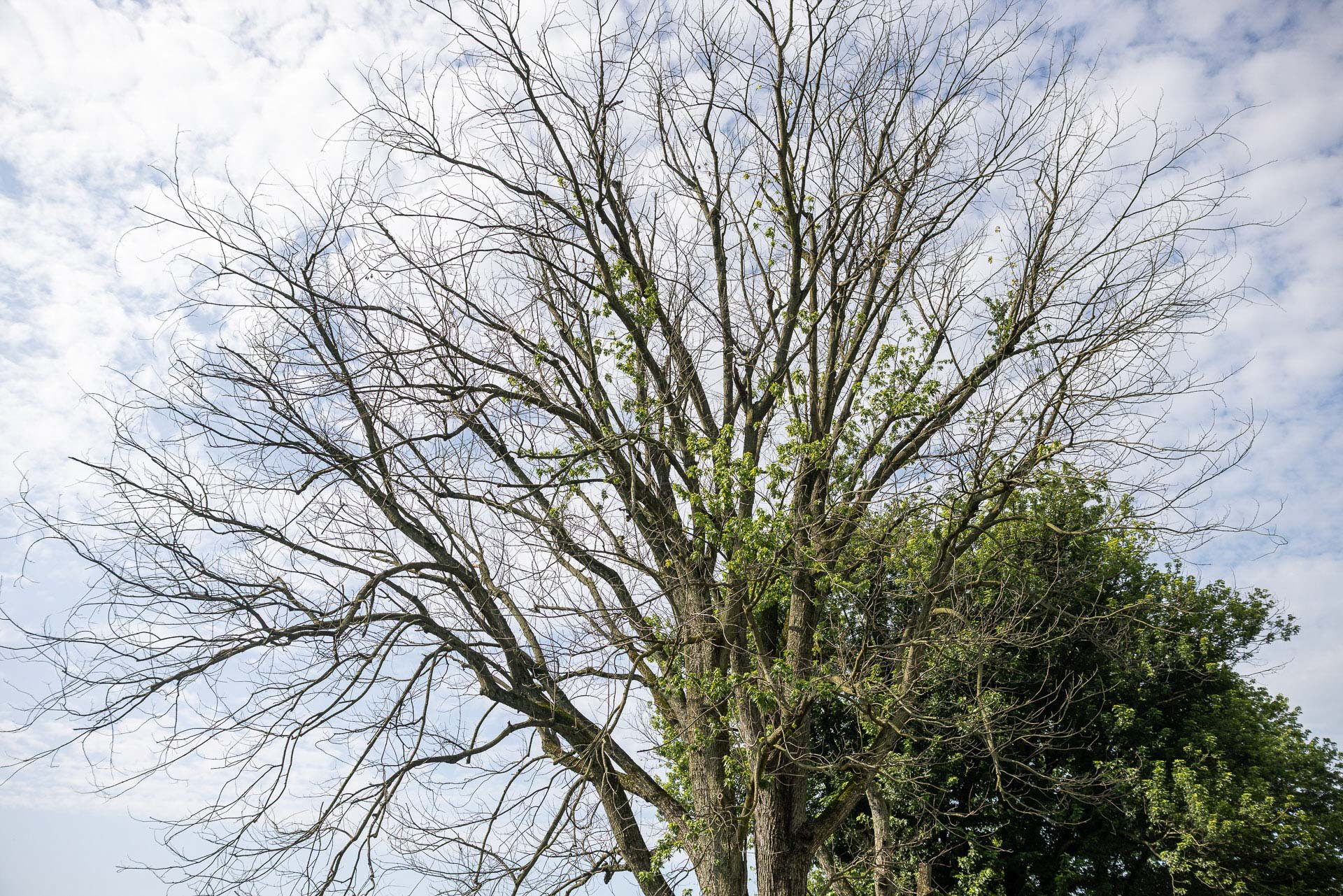
Just because a mature tree has dead branches does not mean that it is unhealthy.
Tree Trunk and Base
Check the trunk of the tree and its base where it is rooted to the ground and ask:
-
Is the bark peeling?
-
Are there deep cracks and cavities in the trunk?
-
Are there mushrooms nearby?
-
Or are there shelf fungi attached to the trunk or root flare?
Likewise, cankers, which resemble a sunken or discolored area of dead bark and tissue, are a sign of fungi or bacteria. If left unchecked, they can prohibit the flow of water and nutrients, killing the tree.
If you see any of these issues, your tree may be trying to tell you that it’s in distress.
Structural Imbalance
If your tree exhibits a lean that wasn’t there before or if it looks like it’s one bad storm away from incurring some serious damage, that could be a sign it warrants an inspection by a qualified arborist.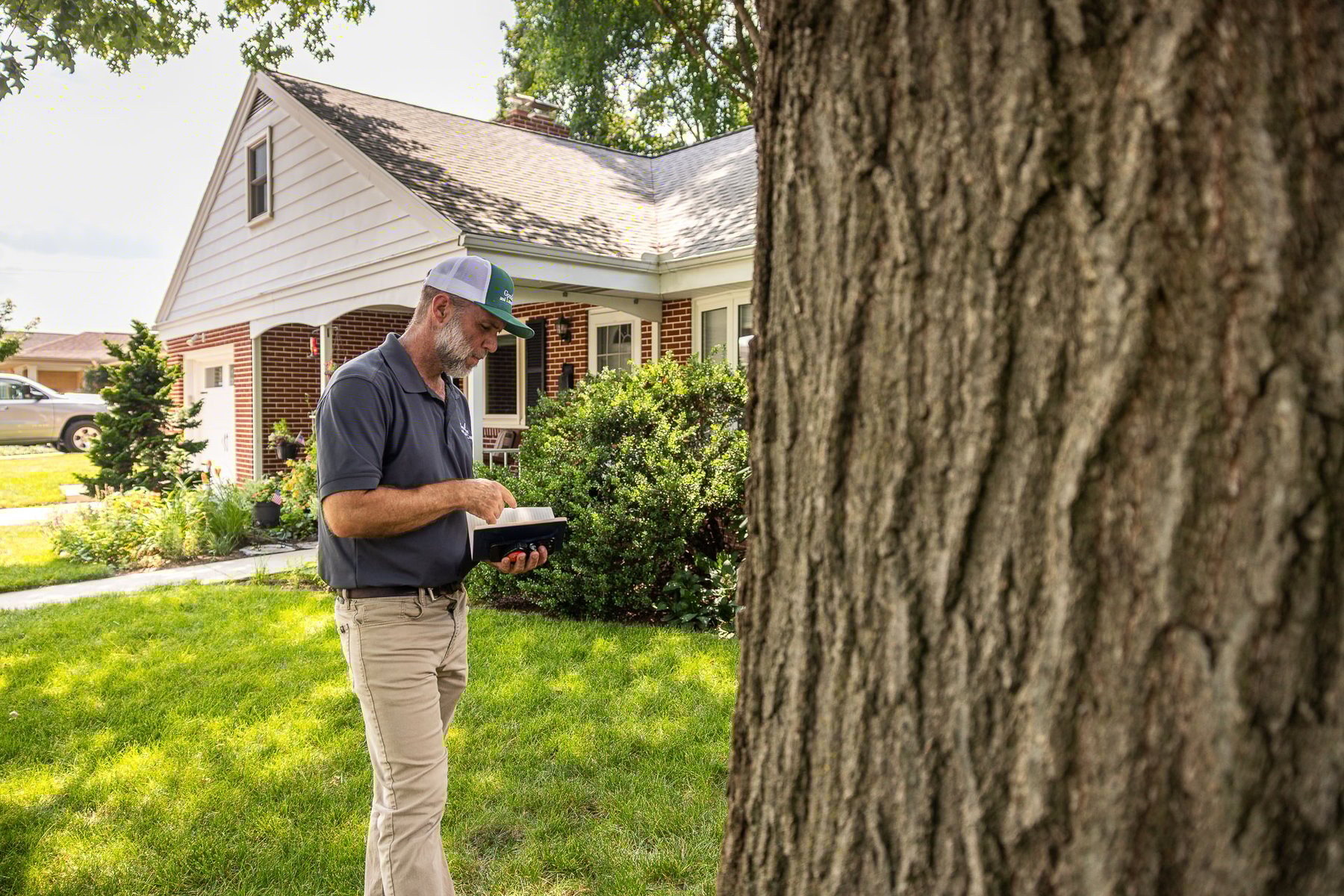
Crossing or rubbing branches can also be an indicator that your tree could benefit from structure pruning and canopy thinning. Trees that are pruned properly when they are young tend to have better outcomes and longevity.
Pest or Disease Infiltration
Sometimes you can see the pests and diseases that are attacking your trees. Other times you are left to find the signs and symptoms that pests and diseases are at work. Be on the lookout for things like:
-
Various size holes in trunk and branches
-
The appearance of wood dust
-
The tree exuding a sap, flux, or stain.
Abiotic Factors
You should also be aware of how the following local seasonal stressors can affect your trees:
-
Excessive heat can speed up evapotranspiration, the process through which your trees utilize water. When water is no longer available or the tree shuts down due to the heat, leaves may wilt or scorch, stunting growth and/or resulting in premature leaf drop.
-
Chronic drought stress can disrupt essential tree physiology, resulting in yellowing, wilting or scorched leaves, stunted growth, and even a thinning canopy. Drought stressed trees are also more prone to pest and disease issues that can initiate decline and death.
-
Heavy snow and ice adds excessive weight and can break branches and even split trunks.
-
Wind can be damaging in more ways than one. In the wintertime, wind can speed up the process of dehydrating your trees, leading to desiccation. Severe storms during the growing season tend to be more damaging to trees as the leaves act like a big sail, the additional force resulting in broken branches and even catastrophic failure.
-
Salt that’s used to melt snow can damage your tree in two ways: by leaching into the soil or via an airborne spray that affects the leaves.
If you’re wondering how to make your tree healthy again if you’ve noticed any of the above factors, read on to learn about pest and disease prevention, tree pruning, tree support systems, and more.
Common Tree Pests and Diseases in Pennsylvania
Tree pests and diseases can do serious damage to your trees if left unchecked, but what exactly poses the biggest threat to your South Central Pennsylvania trees?
Many ornamental trees can be more susceptible to pest and disease issues than the native trees and shrubs found in the nearby woods. The reasons for this may include the susceptibility of cultivated and exotic plants as well as not selecting the right plant for the right location
Common Tree Pests in Pennsylvania
Early Season Pests: Tip Weevils, Adelgids, Scale Insects, and Cool-Season Mites
Tip Weevils
Tip Weevils are moths with light, patchy coloring with adult tip weevils flying around and mating as early as March.
They deposit their eggs in the uppermost shoots of conifer trees. The eggs hatch soon after, and the larvae feed on the host tree, resulting in dieback of the infested tips and shoots. This pest does not typically kill the plant host but can damage it aesthetically and cause long-term structural deficiencies.
Approaches for suppressing this pest include well-timed spray applications of contact insecticide or systemic insecticides that provide at least one year of protection.
Adelgids
Adelgids are small sucking pests that become highly visible from the white woolly covering that contrasts sharply from the dark green evergreen needles they feed on.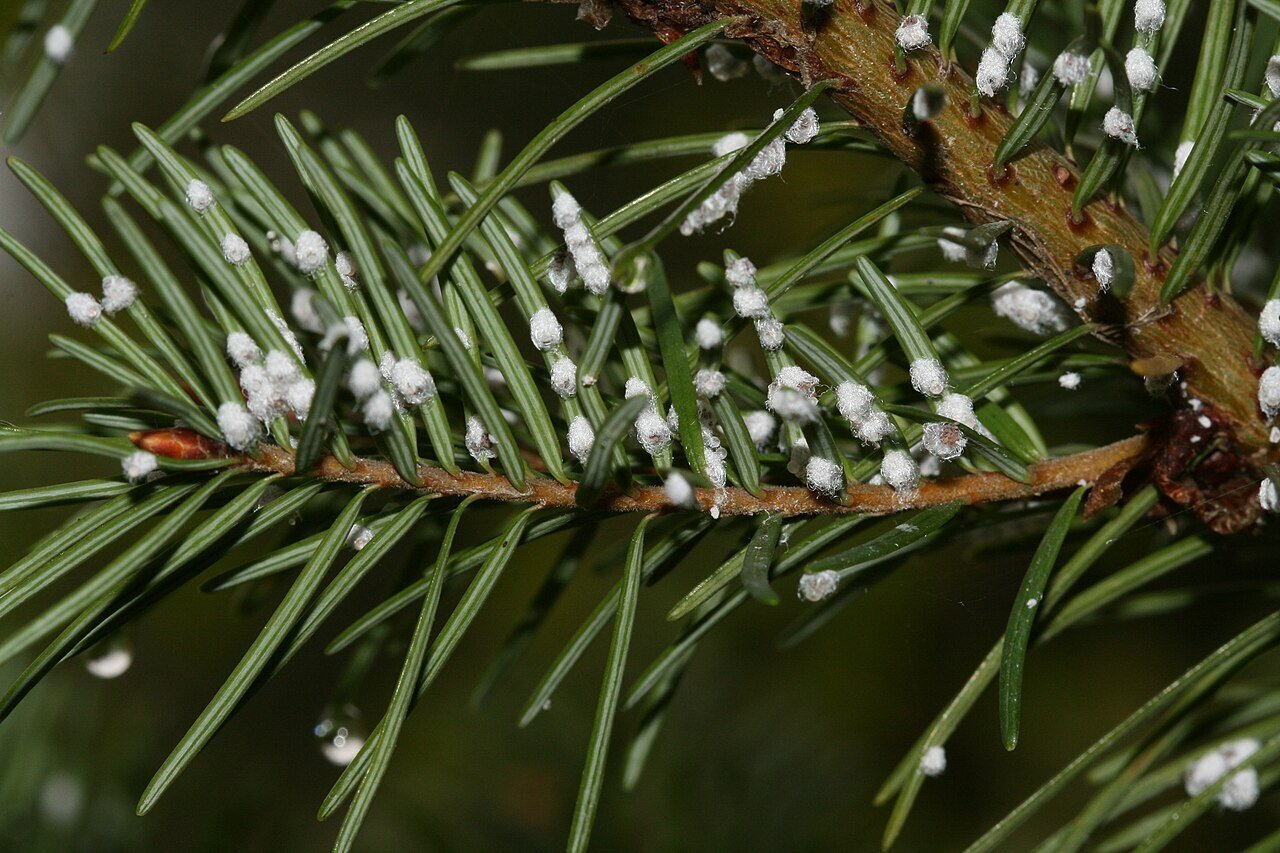
Becoming active in early spring, these pests attach to twigs and foliage where they suck out plant sugars and cell contents. Left unchecked, this feeding can cause the loss of infected leaves and needles in the short term and the death of the plant over time.
Common plant hosts of these suckers include Canadian hemlock, spruces, firs, yews, and pines.
A well-timed spray application of horticultural oil in the spring (a nontoxic material that suppresses pests by suffocation) or a systemic insecticide applied the prior season can help prevent these pests from taking over your trees.
Scale Insects
Scale insects are another insect pest that sucks plant nutrients. There are many species of scales with preferences for the hosts to feed on. They look like blisters or barnacles affixed to leaves and twigs and can vary in size. Soft scales excrete a sticky clear substance when feeding, while hard scales do not.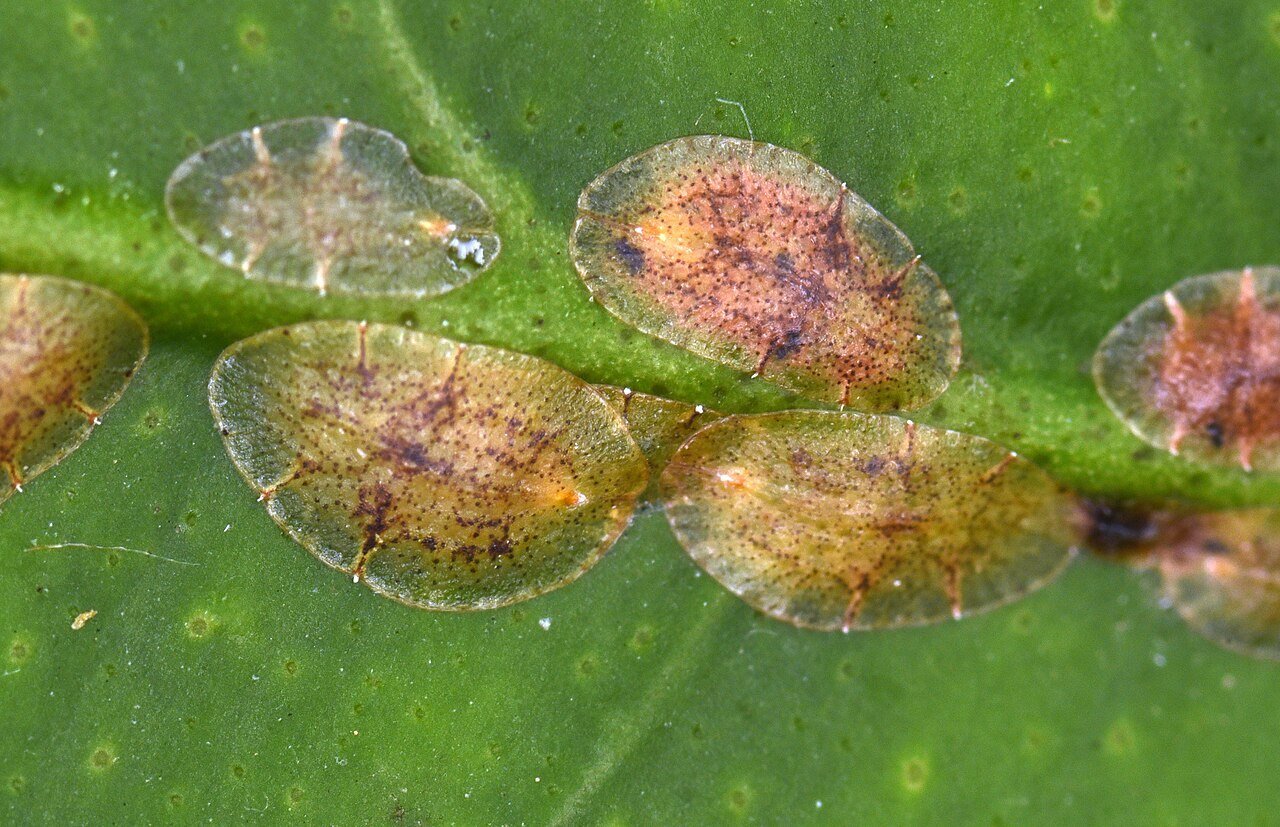
Cool-Season Mites
Cool-season mites are tiny plant pests. They are hard to see but the damage they cause to infested plants is obvious and can escalate quickly. Keep an eye out for dulling or brown foliage in conifers.
Summer Tree & Shrub Pests in South Central Pennsylvania
Japanese Beetles
Japanese beetles are one of the most notorious insects that can affect your trees and shrubs. They are oval shaped, have a metallic green head, and coppery wing covers. The adults prefer plants in the rose family which includes cherries and plums, leaving behind a lacy pattern on leaves where they’ve chewed. The larval form - affectionately referred to as grubs - live below the turf grass. Their feeding can be quite damaging to lawns.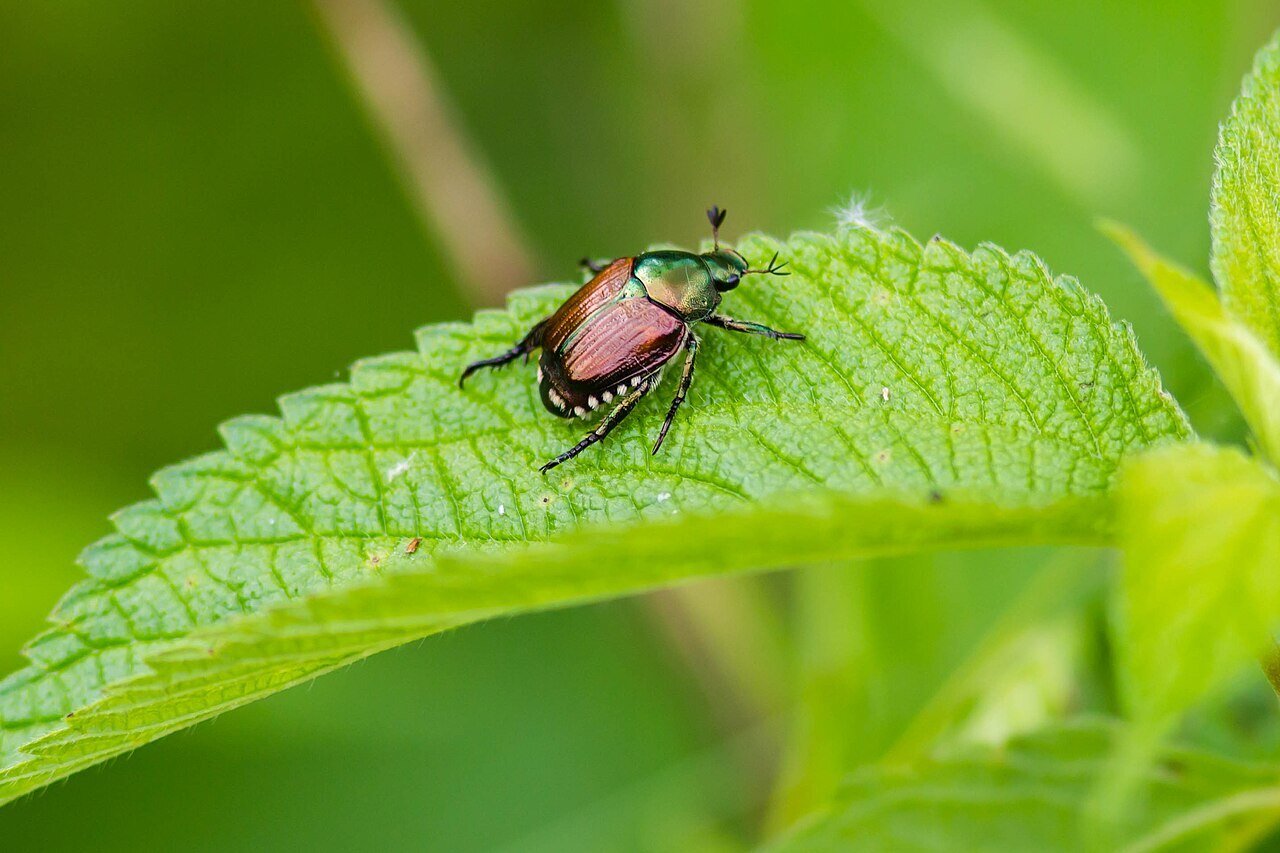
Bagworms
Bagworms are most easily identified by the cone-shaped cases that resemble tiny pinecones or dried debris. Fully developed, these protective bags can be over an inch in size.
These pests can cause browning, defoliation, and an overall decline in your tree’s health, if not death of your tree if left unmanaged. They particularly like Eastern Arborvitae
Webworms
There are a few species of webworms that feed on trees later in summer. As their name implies, the larval form of the pest is a worm-like critter that feeds in significant numbers within the protective cover of a large silky web they drape over the ends of branches.
Spotted Lanternfly
We’ve all become familiar with the three life phases of this pest. First, the creepy white spotted black bug followed by the almost pretty red form with black dots (almost as if it’s masquerading as a lady bug). Finally comes the adult form, attractive in flight with the colors of a Chinese paper lantern, but a little menacing with its wings folded back as it crawls up your back.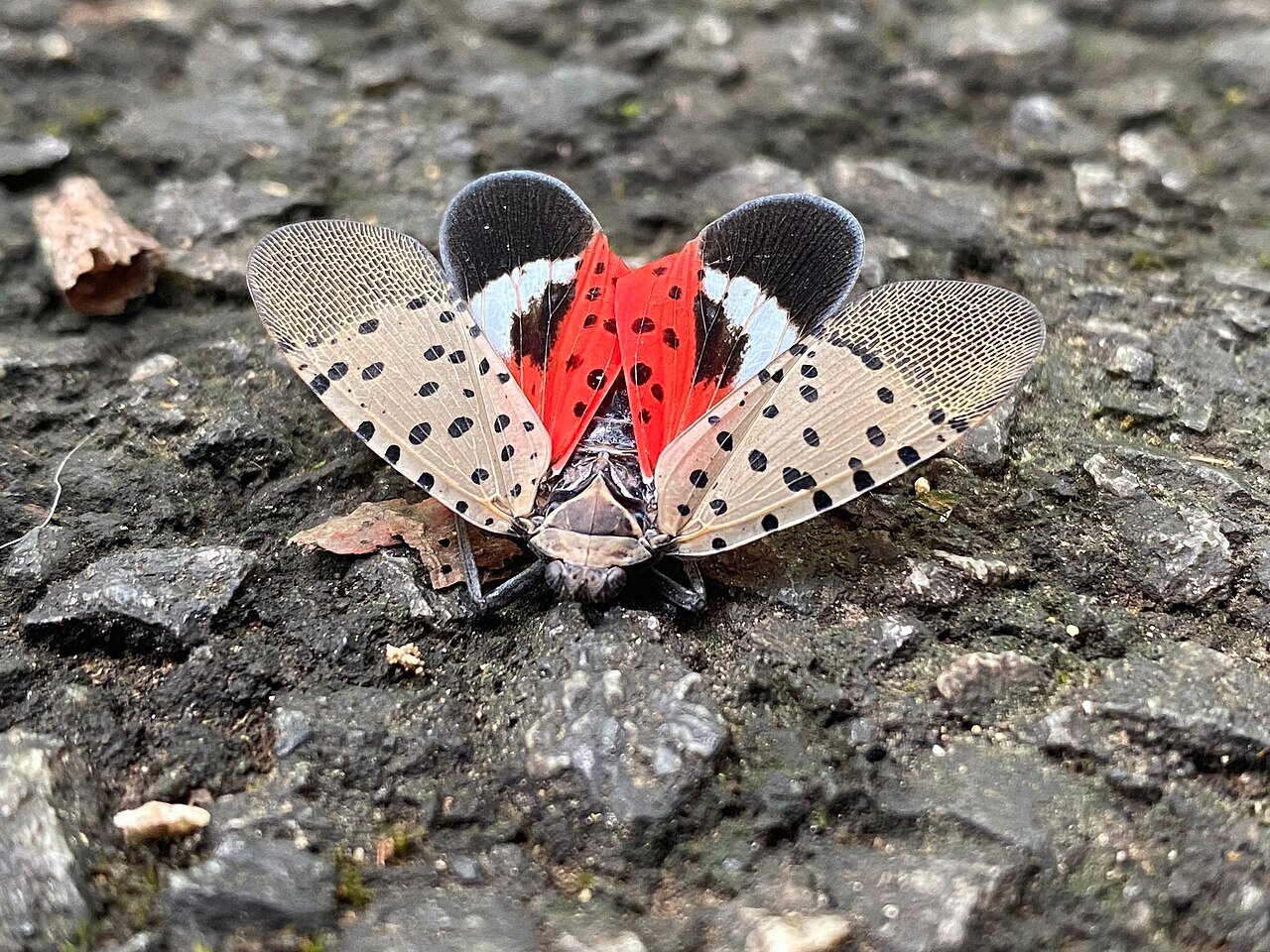
They suck the sap from several species of smooth barked trees. There copious excrement, loaded with plant sugars, sprays below them resulting in a sticky mess attracting pollinators and a feeding ground for black sooty mold. It does also infest roses, walnuts, river birches, willows and some maples. Spotted lanternfly are often more of an aesthetic and nuisance issue than a long-term detriment to these trees.
Common Tree Diseases in Pennsylvania
Cedar Apple Rust
Rusts in trees is a leaf spot disease that infects crab apples, serviceberries and hawthorns.
Left untreated, this fungus can cause premature leaf drop and damaged fruit. This pathogen gets its name because it requires 2 plant hosts to complete its life cycle. Spores move from plants like junipers to the emergent apple leaves. As the spots develop on the leaves, spores once again take to the air and reinfect the cedar/juniper host.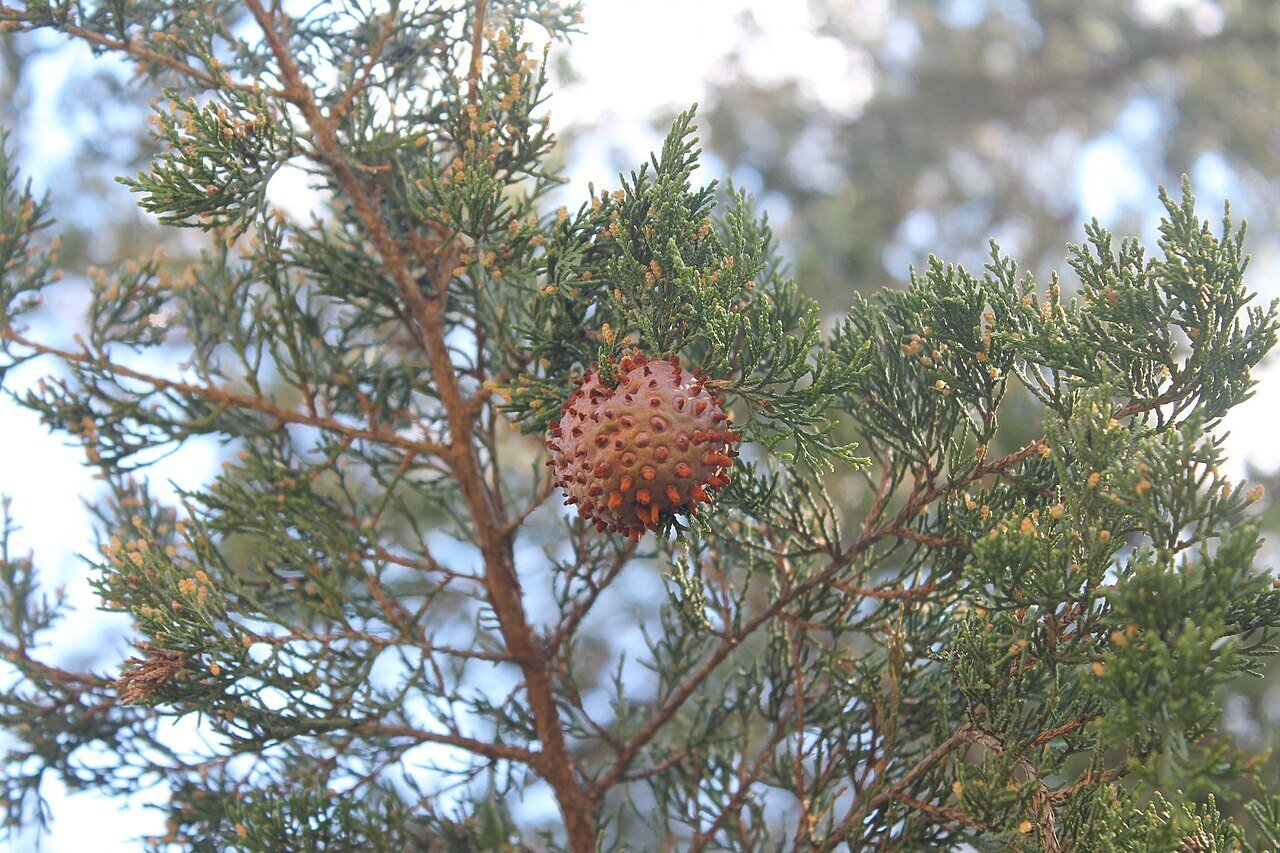
Dogwood Anthracnose
Anthracnose is a general term for a pathogen, most of which result in spots and lesions on leaves of the host plants.
Unfortunately for our native flowering dogwoods, this exotic disease also forms a branch canker. This deforms branches and ultimately results in their decline over a period of years. A well-timed fungicide program can suppress this disease from taking hold.
Needlecast Disease
Needlecast is the general term for a collection of fungal pathogens that infect conifer trees. Airborne spores land on new needles in the spring and over the course of a year the pathogen feeds on the plant resulting in the infected needles being cast off prematurely. Blue spruces and Douglas firs - both species transplanted from the mountain west and not acclimated to our wet cool springs and hot humid summers - are particularly prone to attack. A series of fungicides every year can reduce the establishment of the disease and improve their health and longevity.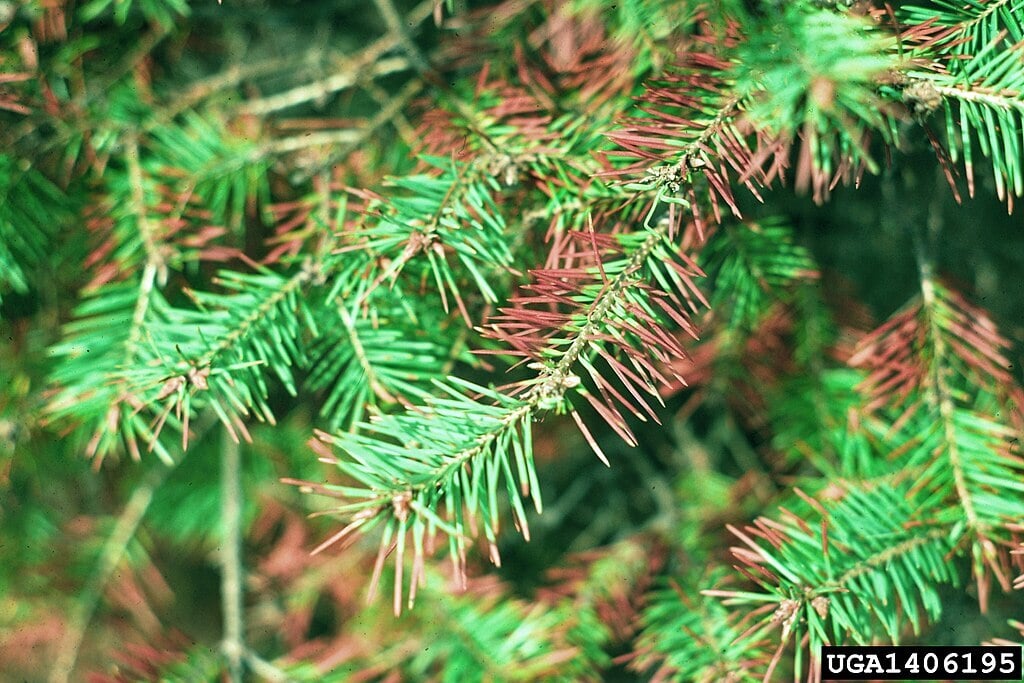
Powdery Mildew
Powdery mildew can affect many different types of plants and is evident by white, powdery spots on the tree's leaves, stems, and buds.
You can treat this disease all through the summer months.
Phytophthora Bleeding Canker
Phytophthora Bleeding Canker gets its name from cankers near the base of the tree that emit an oozy sticky liquid that can be reddish-brown or black.
Eventually, this disease can kill your tree, though it starts by diminishing the number of leaves a tree has, causing leaves to prematurely color in the fall, and causing branch dieback.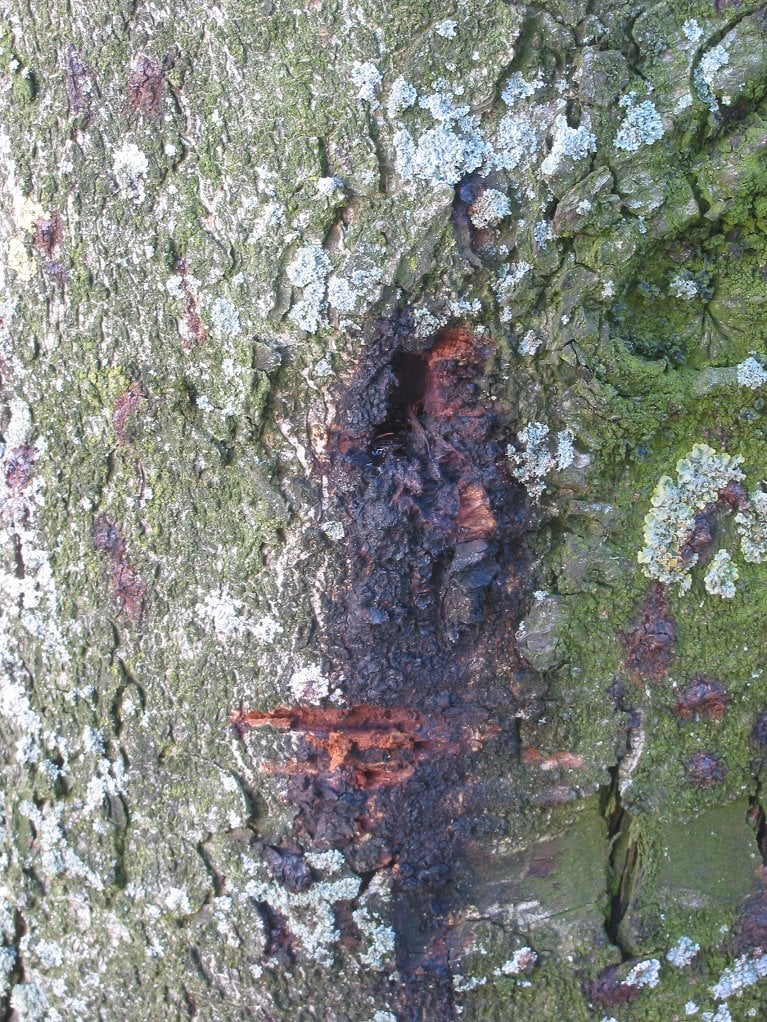
Treatments for this disease also extend through the summer.
Tree Pest and Disease Prevention
Keep an eye on your plants to detect these pests and diseases early and take action.
It’s important to remember that, like with many things in life, prevention is the best medicine. While some of these issues can be treated after they’ve appeared, it’s much easier to prevent them in the first place.

A tree care program, like the one offered by Good’s, actually includes preventive treatments, and our arborists and plant health experts understand which pests and diseases are most active in the South Central Pennsylvania area and when, so you can stay several steps ahead of these issues.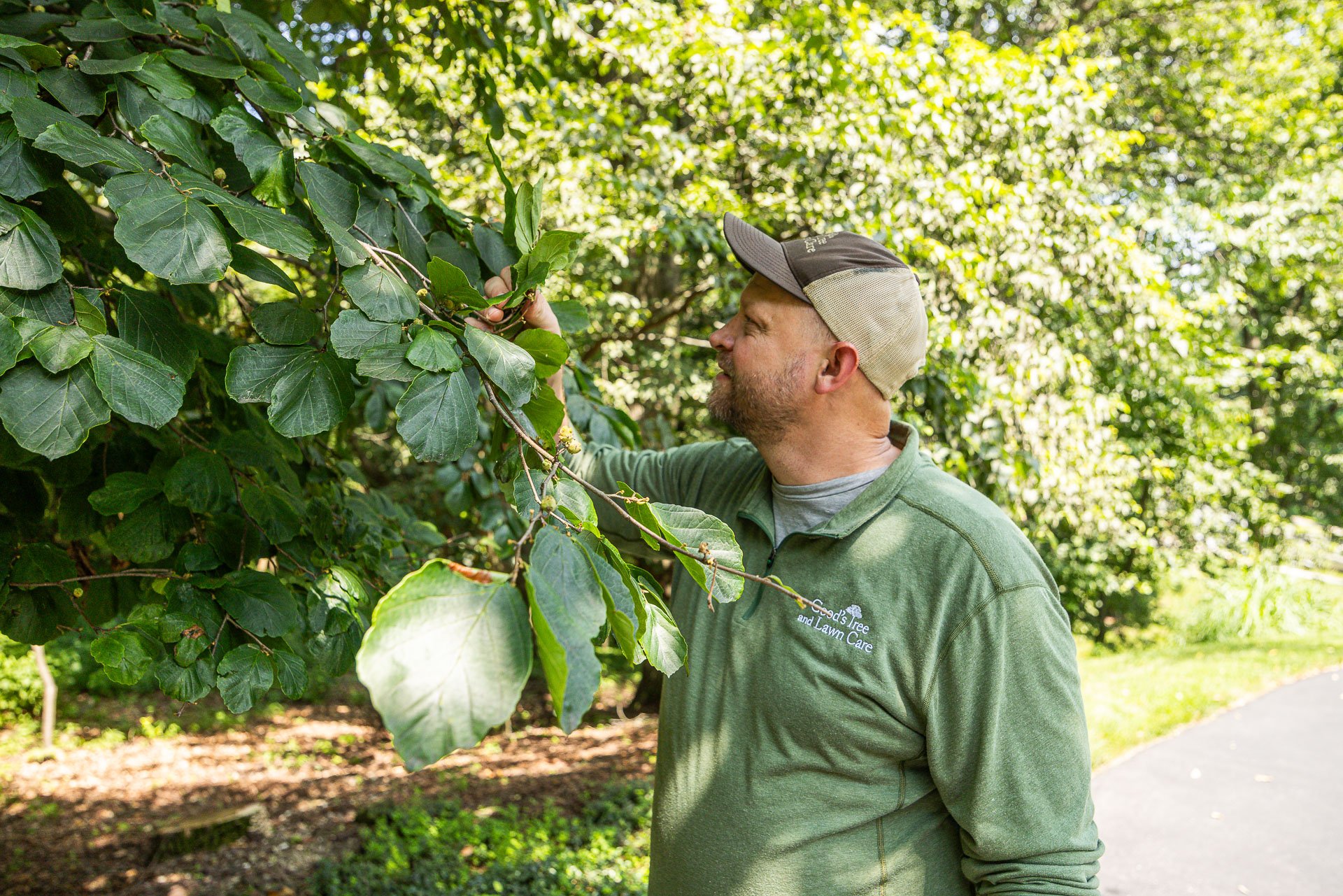
Pruning Trees the Right Way
Tree pruning, done right, can improve the health, safety, and overall structure of your trees.
Depending on what you are trying to accomplish, there are several different types of tree pruning:
-
Structural pruning removes branches that are weak, crossing, or broken, ensuring that there’s proper spacing within the tree.
-
Hazard pruning helps mitigate risk by removing branches that may be most susceptible to wind and winter storm damage.
-
Maintenance pruning eliminates branches that are dead, diseased, or damaged. This type of pruning can also be used to thin or shape the tree.
-
Aesthetic pruning enhances the overall appearance and shape of your trees.
Pruning can take place at different times of the year, though it’s critical that you avoid pruning when the leaves are actively growing in the spring or when the tree is preparing to go into dormancy, so that you don’t interfere with the tree’s natural processes. Once the tree is dormant, typically during the winter months, is the best time to prune most tree species.
You should also be aware that pruning is not as forgiving as it seems. You have to know how much to prune, in which direction to prune, and where on the tree to prune. Improper cuts can do more harm than good and lead to an overall decline in your tree’s wellness.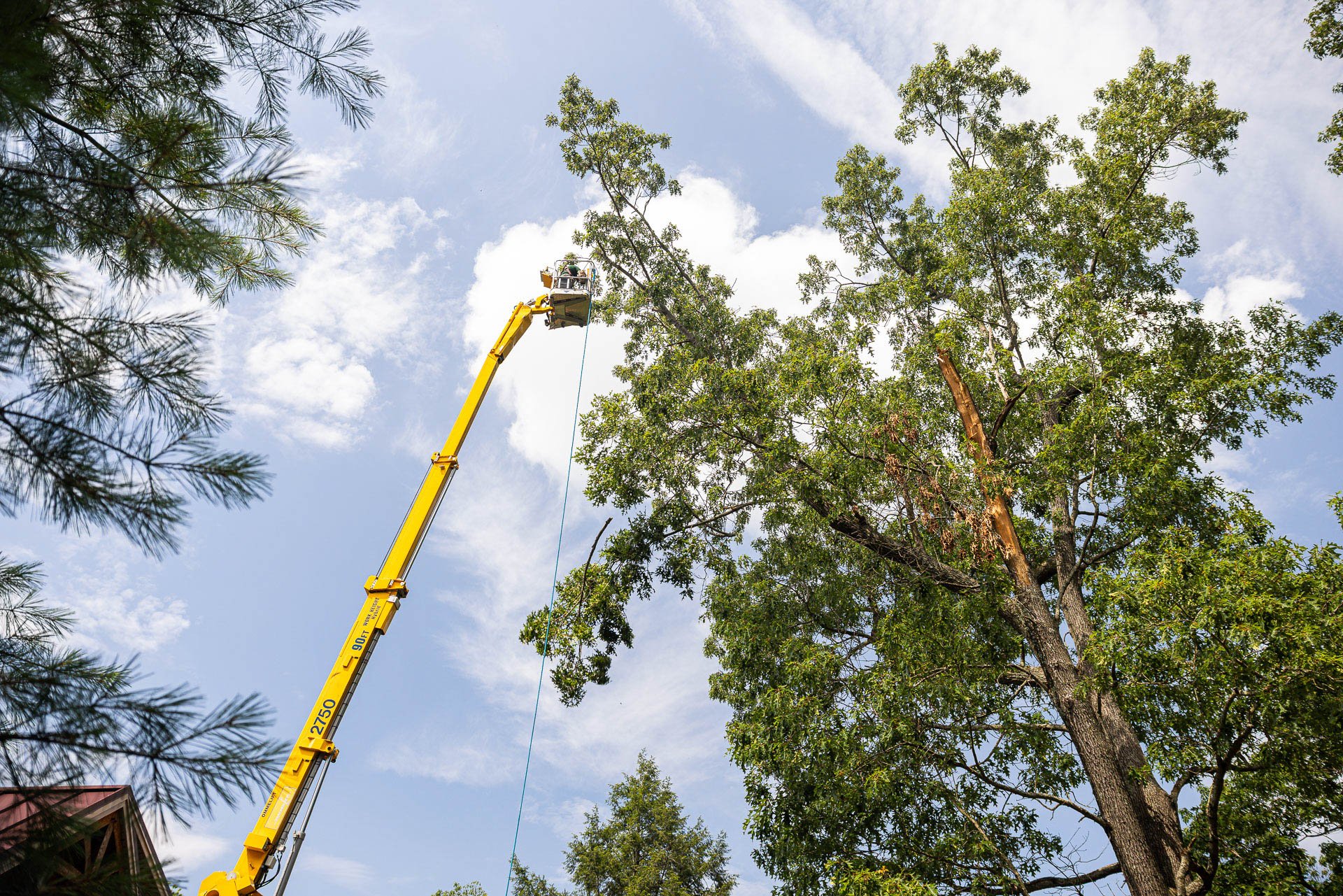
It’s also key that you use the proper tools and that your equipment is sharp so that you don’t injure yourself or the tree.
For all of these reasons, pruning is best left in the hands of the professionals.
When Tree Removal Becomes Necessary
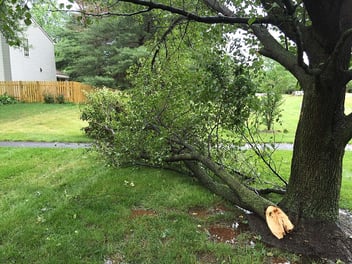
In some cases, there’s nothing else that can be done to help save a tree. After all, a failing tree that’s undergoing a health decline can pose a huge safety risk to you and your family. If your tree has already experienced storm damage and poses a safety hazard, you may have to rely on an emergency tree removal service.
So, how do you know when it’s time for a tree to go?
It’s best to consult with an expert before making the decision to have a tree removed from your yard, but good indicators that your tree is beyond saving include:
-
It's not leafing out in the spring
-
If the trunk features many large/deep cracks
-
If the trunk is hollowed out or showing signs of decay
You should also be on the lookout for other symptoms of unhealthy trees that we've mentioned, such as the growth of fungi at your tree’s base, significant leaning, or other structural instabilities.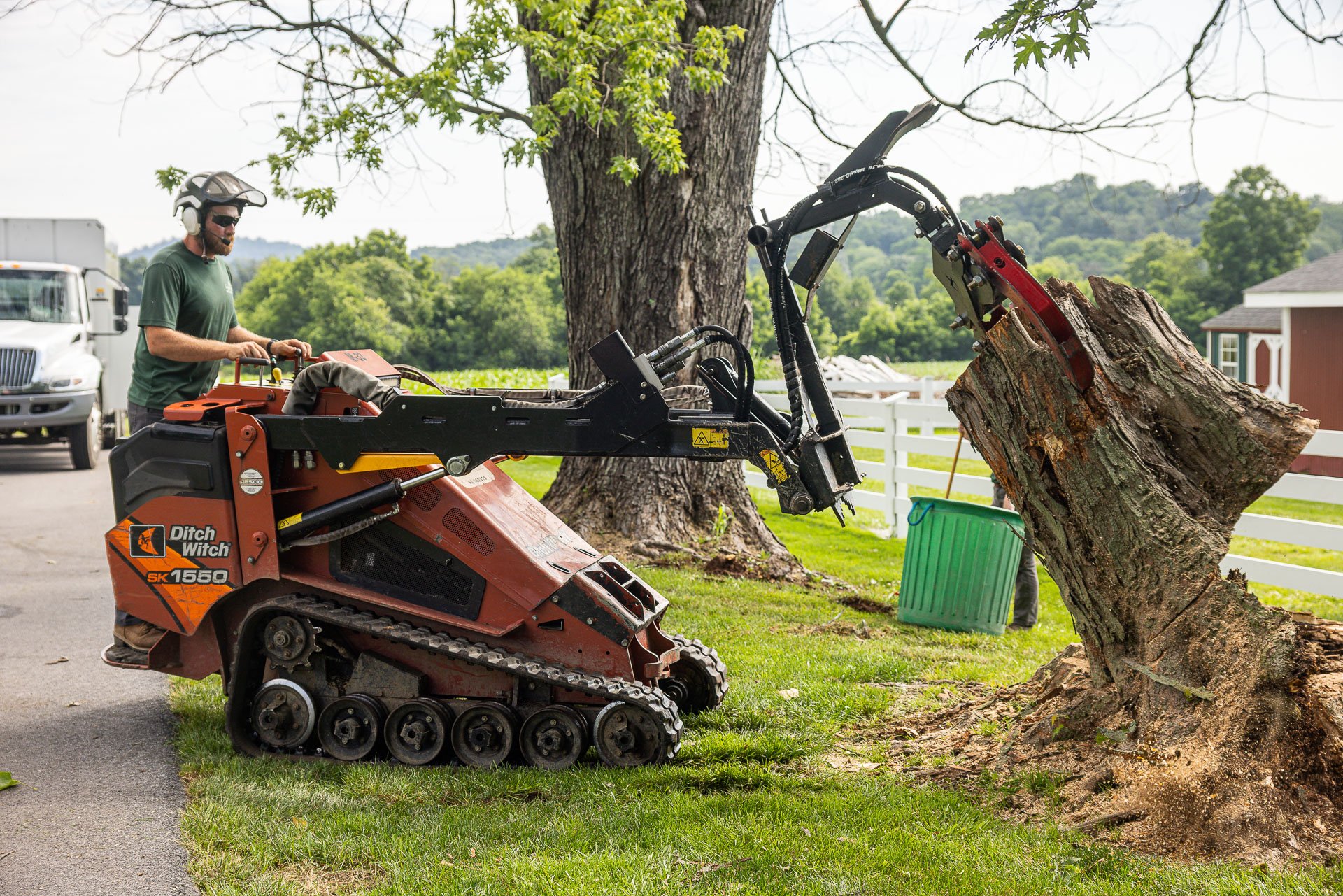
What to Know About Tree Stump Grinding
You may be wondering what happens to the tree stump after a tree has been removed. That’s where stump grinding comes into play.
The process involves the use of a stump grinder to chip away at the stump until it is underneath the natural ground level. During grinding, the wood from the stump, as well as from any exposed roots, are repurposed into mulch.
So why bother with stump grinding? Is a stump that’s left in the ground really that big a deal? The short answer is “yes,” and here’s why.
Safety
First and foremost, a leftover stump can be a safety risk. A stump that’s left in the ground can become a tripping hazard. Plus, if obscured by grass, the stump can also pose a risk to your lawn equipment (and the operator of that equipment) if it’s struck.
Compared to other methods like hacking away at the tree’s system with an axe, trying to pull out the tree by chaining it to a truck bumper, or calling in heavy equipment to excavate the area, stump grinding is safer and more efficient, if done correctly.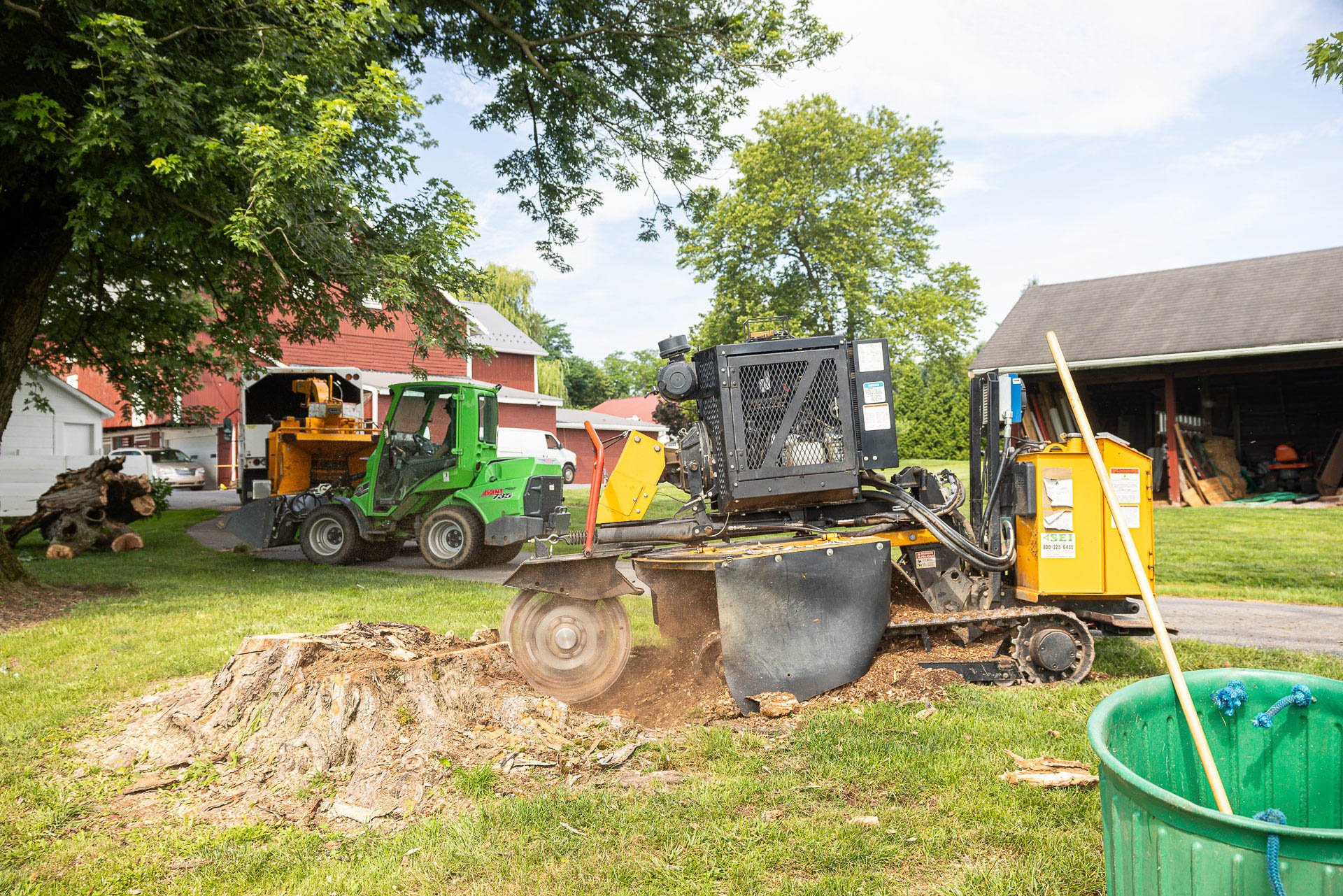
Insect + Fungi Invasion
A leftover tree stump can rot and attract pests like termites or carpenter ants.
Speaking of rot, if you see fungi and bacteria taking root nearby, that means these pathogens may be flourishing underground, and there’s not much stopping them from feeding on other items in your landscape such as shrubs, rhododendrons, azaleas, and even the wood of your deck.
Opportunity to Relandscape
If you leave a stump in the ground, you run the risk of the tree resprouting, essentially canceling all the time, money, and effort you put into removing it. By removing it, you start with a clean slate to plant new trees, revamp your landscaped areas, or plant new grass.
Aesthetics
Last, there’s no denying that aesthetics are important as well. Stump grinding is an efficient process that leaves you with a smooth, clean finish, providing your landscape the curb appeal boost it needs.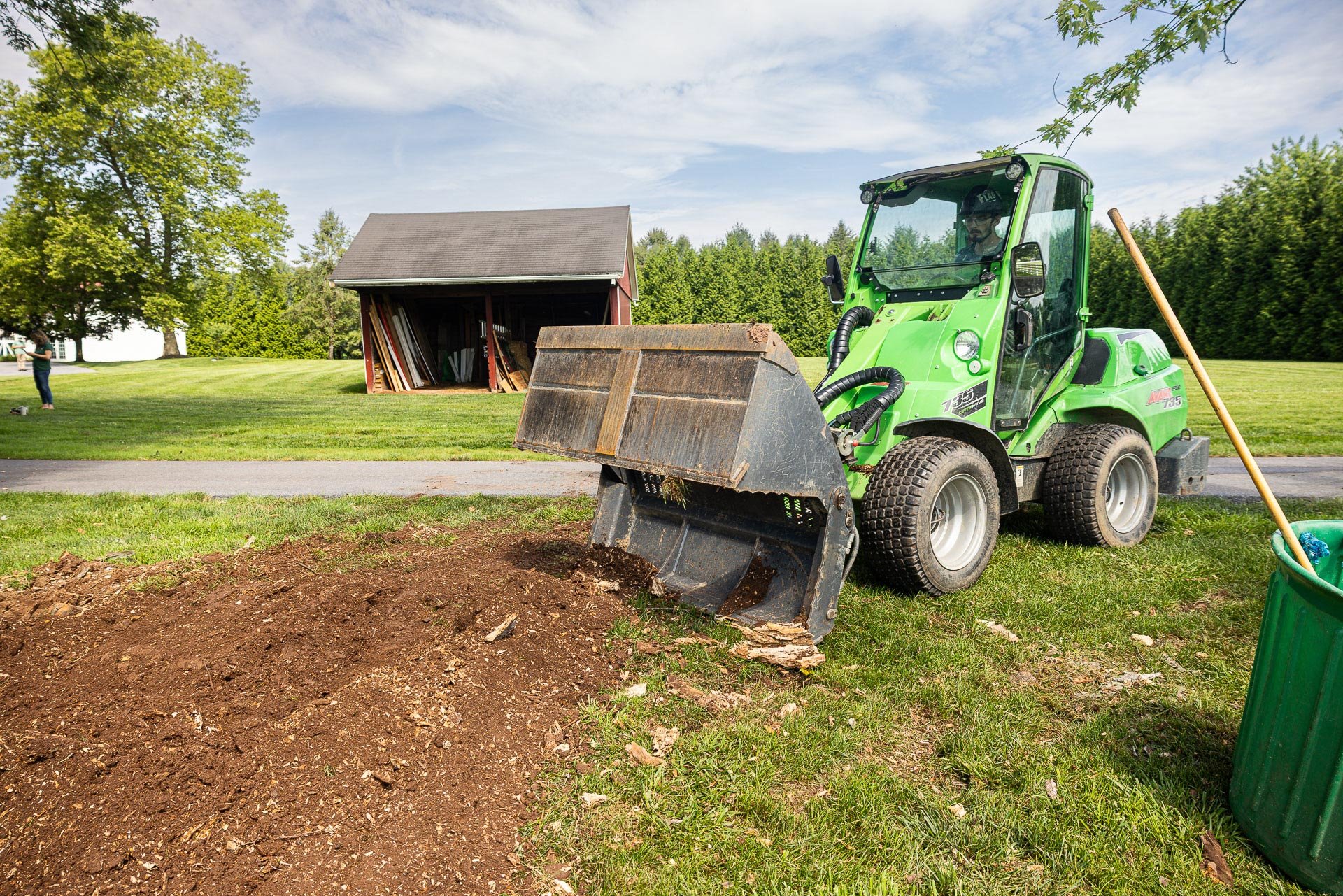
Supporting Tree Safety: Tree Cabling and Bracing
On the other hand, some trees are worth saving, and can ultimately flourish with the extra support that comes from tree cabling or tree bracing.
Tree bracing includes the insertion of steel rods into a tree’s trunk or limbs, while tree cabling involves the installation of a cable that’s thin in diameter to reinforce a fault union of branches or stems.
While these processes often work in tandem, sometimes only one technique is needed. At Good’s, for example, our arborists may brace a tree without seeing the need to cable it. However, our experts rarely cable a tree without also bracing it.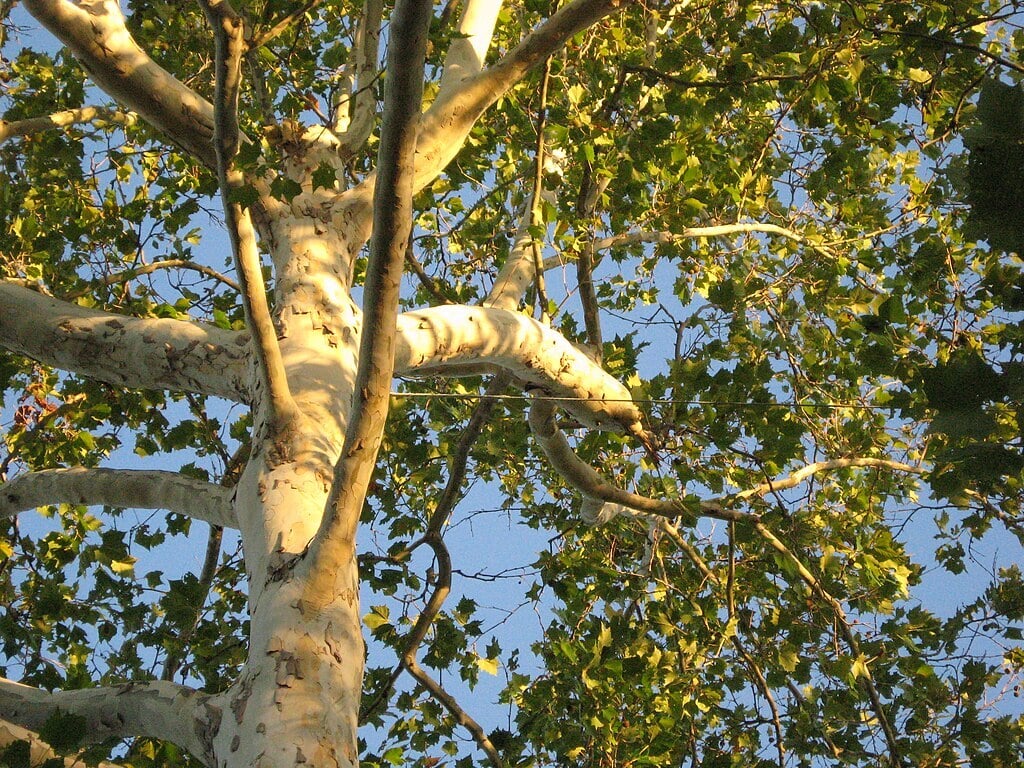
If you’re curious about which trees may benefit the most from these processes, here’s a recap:
-
Trees exhibiting a co-dominant stem in which multiple stems come together in a V shape rather than a U shape, indicating that bark has become trapped in the union, forming an unhealthy crack, instead of a healthy “bark ridge”
-
Trees that have experienced storm damage
-
Trees that haven’t undergone corrective pruning throughout their lifetime
-
Tree species that normally require a little extra support, such as maples, elms and lindens, as well as hemlocks, pines, and spruces that grow in a wide-open space, causing them to grow a co-dominant stem
If you think cabling or bracing might be right for your tree, our arborists will inspect the tree, recommend the best plan of action, perform the techniques, and then re-inspect the trees every few years during follow-up visits.
Why Work with an ISA Certified Arborist
No matter what type of tree care you choose, it’s critical that you enlist the help of a tree care company that adheres to a safety first mindset, is properly licensed and insured in the state of Pennsylvania, and employs International Society of Arborists (ISA) Certified Arborists.
Failing to do so can lead to potential injuries, property damage, and unhealthy trees. ISA Certified arborists undergo extensive training for techniques, rules, regulations, and standards. These companies that hold themselves to a higher standard when it comes to safety and the health of your trees.

It’s also not a bad idea to work with a tree care company that is accredited with the Tree Care Industry Association (TCIA). The accreditation program is voluntary, but provides tree care businesses with additional advocacy, education, and standards resources.
What to Expect from a Tree Care Visit
When working with our arborists, you can rest assured that your trees are in good hands.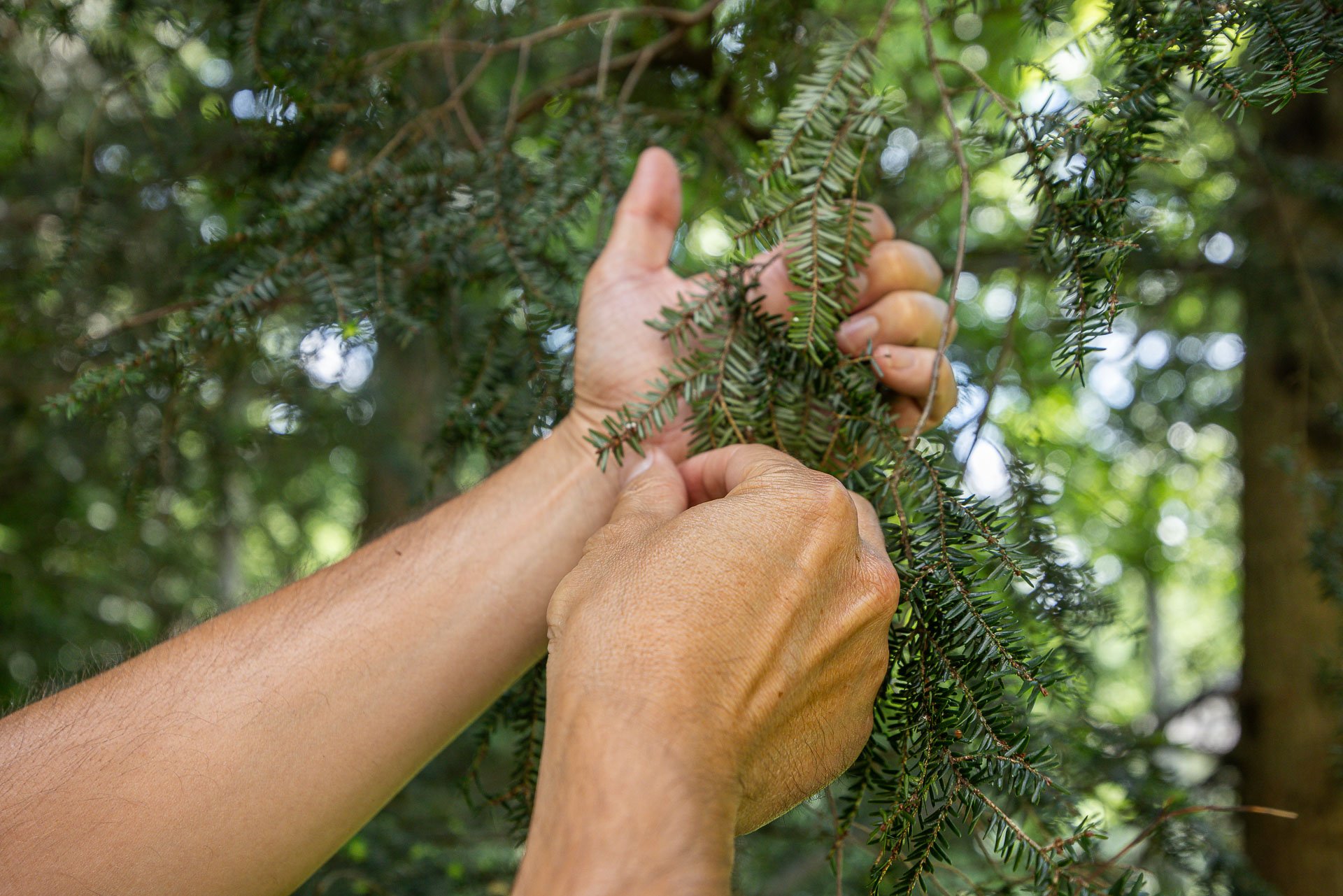
A visit with a Good’s arborists typically involves three stages: an inspection, a diagnosis, and a plan.
Inspection
Our arborists perform a tree health assessment, paying attention to the primary reason they were called out, as well as other potential problems.
Diagnosis
Based on their combined years of expertise working with South Central Pennsylvania trees, our arborists will pinpoint exactly where the issue lies within your trees. If our arborists come across an issue that they can’t identify, they consult with other experts to come up with the best solution.
Plan
Based on their diagnosis, they will make their recommendations, whether it’s fertilization, anti-desiccant spraying, horticulture oil, cabling and bracing, pruning, pest and disease control, or something else.
At Good’s, we strive to make your trees the best they can be without piling on extra treatments. Our arborists will work with you to tailor a program that’s right for your trees.
FAQs About Tree Care in Pennsylvania
When is the best time to prune in PA?
It depends on what you wish to achieve by pruning. For instance, some summer pruning can be useful for shaping a tree and controlling growth. On the other hand, winter can be a good time to perform what’s called dormant pruning, which involves heavier pruning and removing dead branches, because it’s easier to see where you need to trim when there are no leaves present.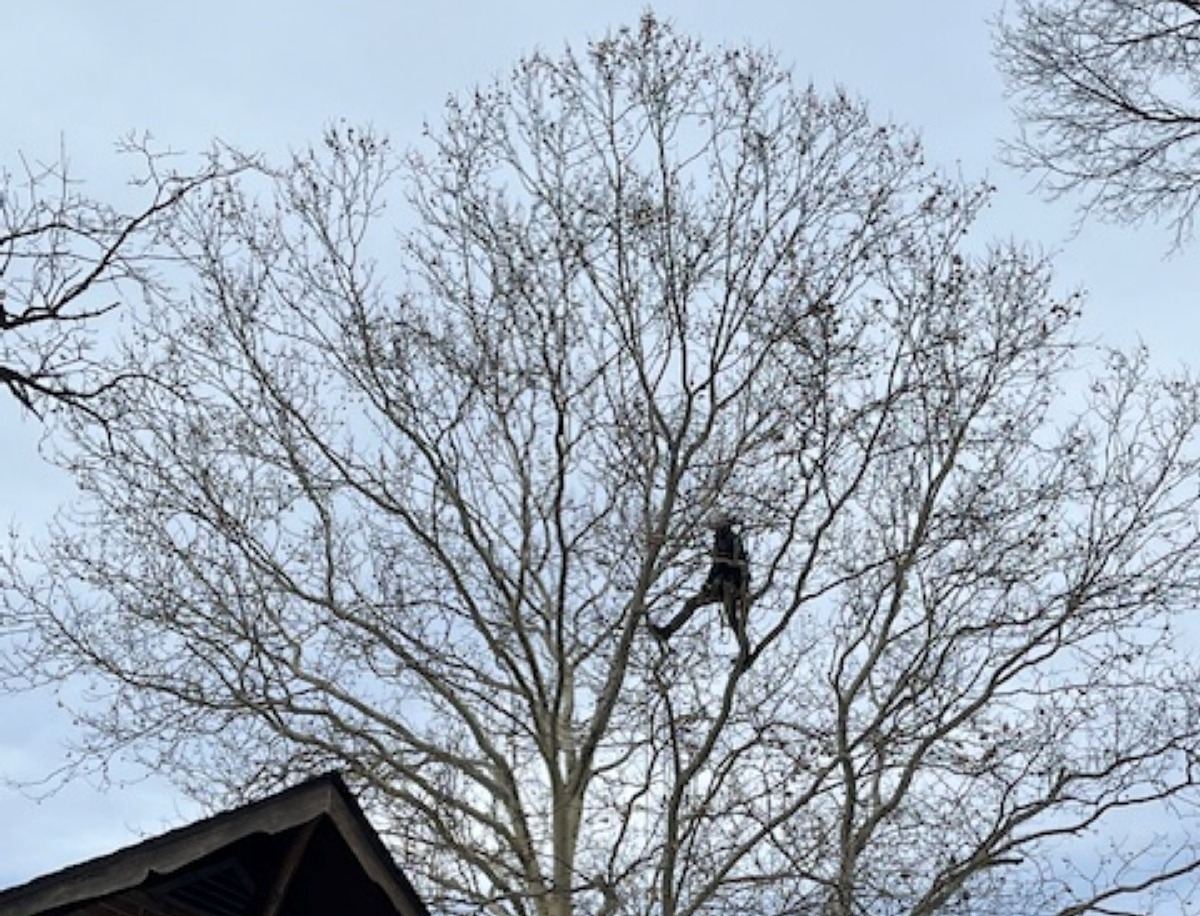
The good news is that many South Central Pennsylvania trees can tolerate both types of pruning. If you’re unsure, it’s best to ask an expert.
Whatever you do, try to avoid pruning live branches in spring, when they are actively growing, or in early fall, when they are moving into dormancy because this can strain the resources the plant has to complete its natural processes such as growth and energy storage.
How do I know if my tree is sick?
Look for symptoms like brittle or peeling bark, leaning or signs of instability, crossing or rubbing branches, fungi near the base of your tree, or discolored or wilted leaves.
If you are unsure of whether or not something is normal, a tree care expert can weigh in and discuss potential treatment options if your tree is sick.
How much does tree removal typically cost?
The business of removing trees from the developed landscape is a commodity. You wouldn’t know it based on the range of costs for doing the work. Costs will depend on a variety of factors, including:
-
How big is the tree being removed?
-
What’s around it? Can it be felled or does it need to be lowered section by section to ensure the safety of the developed infrastructure and property below.
-
Is it easy to get to with the necessary equipment and sometimes even more important, how easy will it be to get all of the wood and debris out.

Why Trust Good’s for Tree Care in South Central Pennsylvania
When you choose Good’s, you’re choosing a highly experienced team that handles it all: pruning, plant health care, cabling and bracing, stump grinding, and then some. No bouncing from contractor to contractor. Just one trusted team covering everything from the ground up - literally.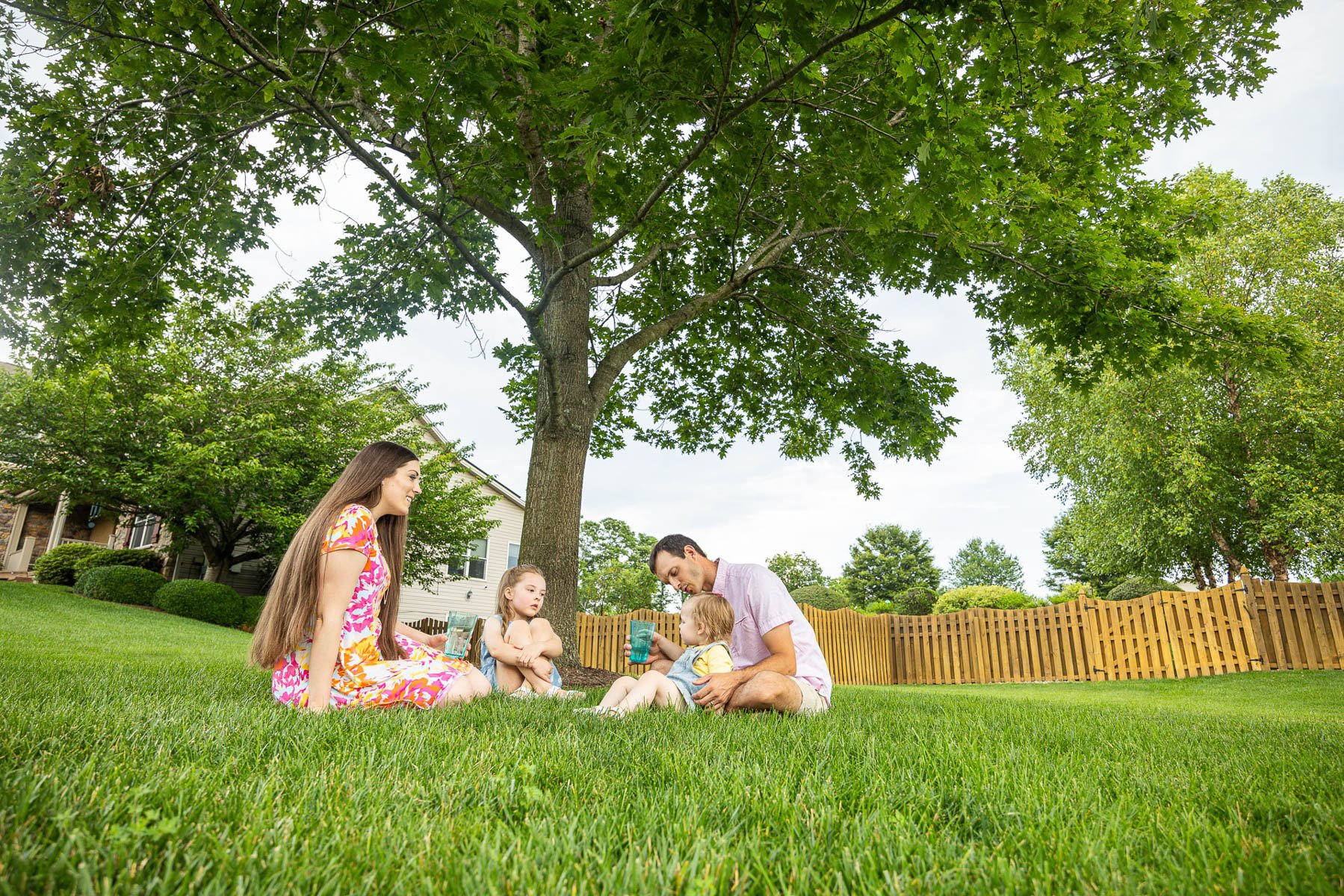
Good’s has been deeply rooted in South Central Pennsylvania, proudly serving homeowners and businesses in Harrisburg, Lancaster, York, and beyond. For more than 30 years, our trained production staff and ISA Certified Arborists have understood the urban forest ecology of South Central PA. And when we encounter novel issues, we rely on our relationships with state and university experts to help us figure out what’s going on and what we can do to resolve it.
Tree care in Good’s hands is a breeze. Friendly service. No gimmicks. No ghosting. Just reliable care you can count on and results that will speak for themselves. Fill out our form to request a free consultation today.
Image Sources: adelgids, scale insects, japanese beetle, spotted lanternfly, cedar apple rust, needlecast, bleeding canker, cabled tree

Jon Schach

.png?width=300&height=143&name=Goods%20Tree%20Care%20Logo%202%20(2).png "Goods Tree Care Logo 2 (2)")