.png?width=429&height=204&name=Goods%20Tree%20Care%20Logo%202%20(2).png)


Winter may seem like a restful time for your trees as they have gone dormant, but they bear the brunt of South Central Pennsylvania’s wintry conditions.
Months of heavy snow and ice, bitter cold, and harsh winds can leave them stressed, cracked, and struggling.
That’s why it’s understandable that many people start thinking about spring tree care as we begin to exit winter. As temperatures rise and growth resumes, a timely plant health check can keep small issues from snowballing and keep your property safe and looking pristine.
Let’s discuss best tree care practices for spring, how to keep your trees healthy year round, the importance of spring tree inspections, and more.
Jump to:
What Happens to Trees in the Winter?
6 Spring Tree Care Tips
When to Call in a Professional for Spring Tree Service
Spring Tree FAQs
Partnering with Good's for Tree Care
What Happens to Trees in the Winter?
Snow, ice, cold temperatures, and heavy winds aren’t the only threats to your landscape in the wintertime.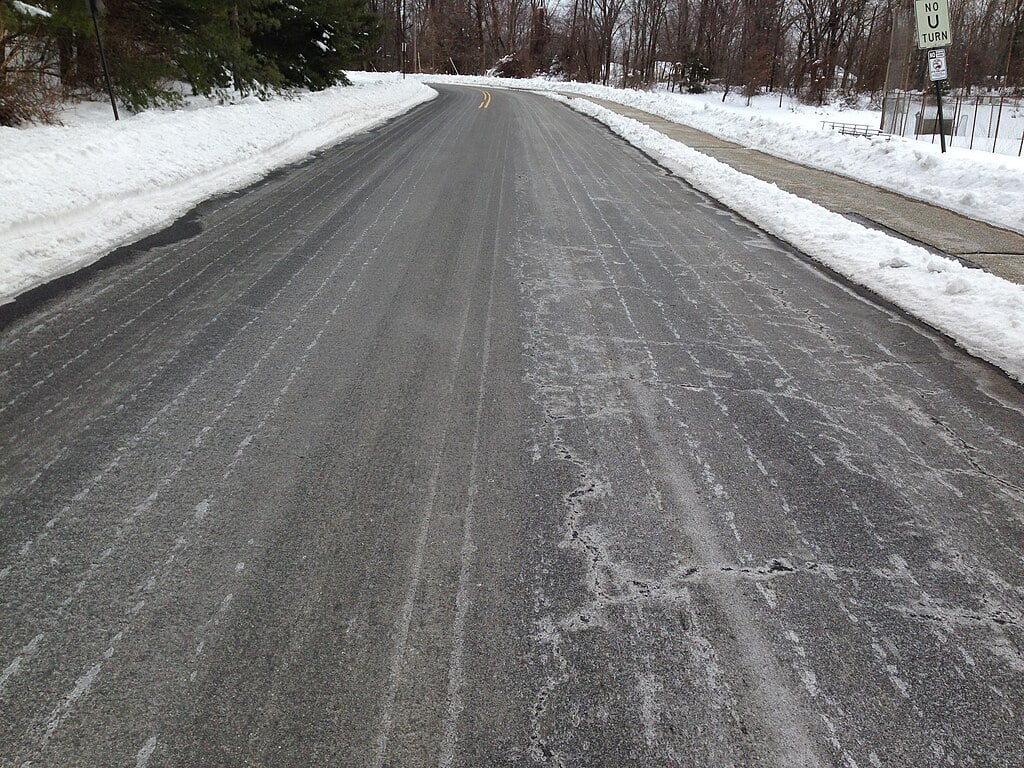
Deicing salt from roadways, driveways, and walkways can leach into soil, causing damage to root systems. Salt solutions can also splash off wet roadways and onto nearby evergreen trees and shrubs, damaging foliage. Even sunny winter days can damage your trees by drying their leaves and roots out.
However, it’s not all bad. Sustained snow and ice covering can insulate plants’ root systems from cold temperatures and desiccating winds, and melted snow can provide hydration for thirsty plants in the springtime.
In any case, when winter releases its icy grip on the region, it’s a good idea to follow this checklist of landscaping tips for spring to help keep your trees healthy.
6 Spring Tree Care Tips
1) Assess and Remedy Salt Damage
Salt from deicing agents can dry out your plants. If the plants are located in an area that drains well, it can be helpful to flush the area with fresh water to help rehydrate them.
It is best to hold off on pruning plants damaged by salt spray until after the flush of new growth. That way, you have a better understanding of the extent of the damage.
2) Prune Trees and Shrubs
Pruning can help remedy dead, damaged, or crossing limbs and positively impact the overall shape and health of your tree.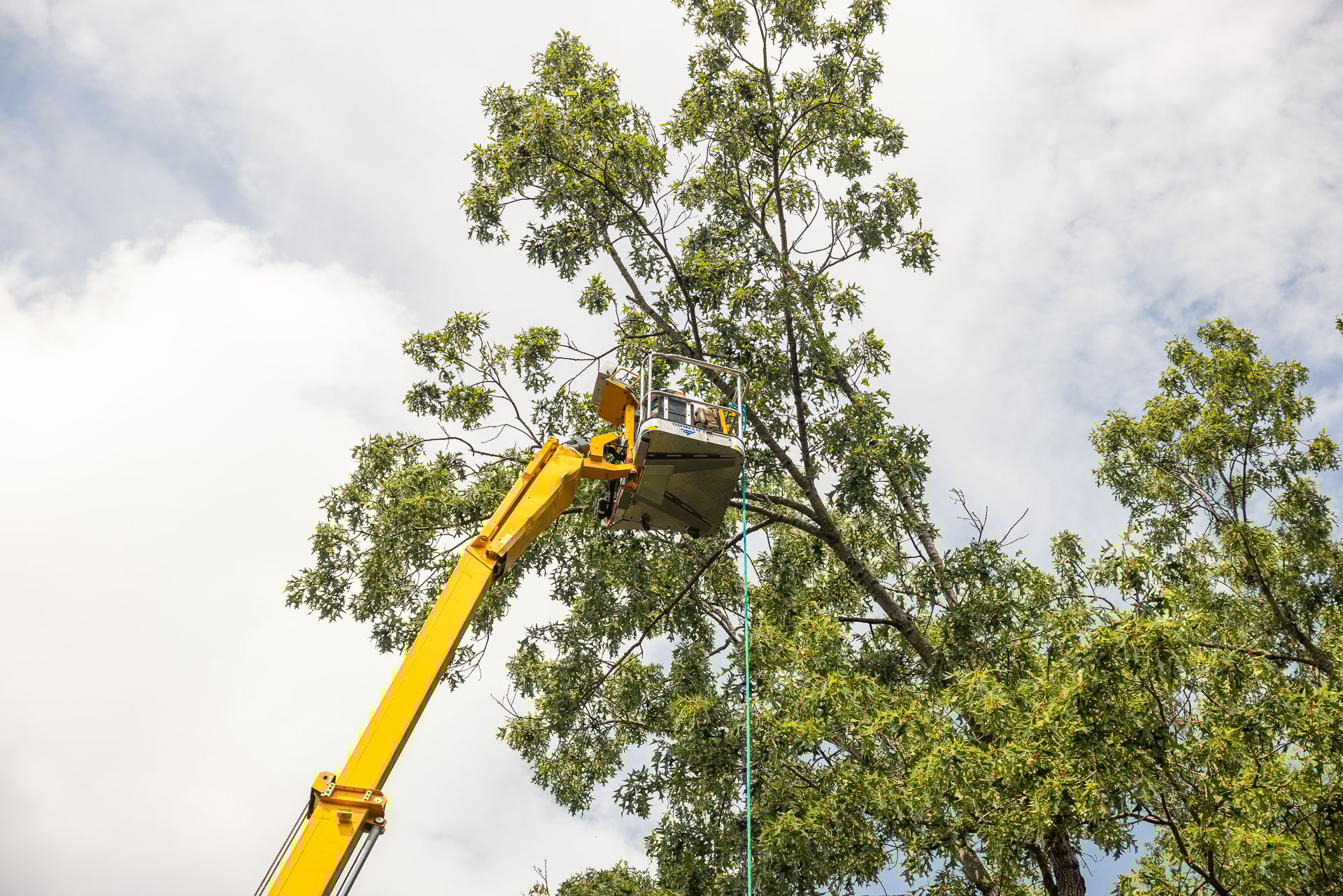
When pruning shrubs and small trees damaged by snow loads, start with the broken and bent branches first. The type of cut you make will depend on the species and the goals for the affected plant. If you’re not sure, schedule a consultation with a tree care professional.
If you do attempt pruning on your own, be careful not to overprune, as this can have negative consequences for the plant. In most cases, you should plan to prune before plants are actively growing, for example, in early March, or after they are done putting out new growth.
3) Check for Visible Damage
Cracks, dead limbs, and root exposure can be a few signs your tree has sustained damage over the winter.
If you have large trees, ask a qualified arborist to inspect them. There could be hazards that are not obvious to the untrained eye.
4) Check for Early Signs of Pests and Diseases
If you notice unusual spots, discoloration, or high insect activity, it may indicate that you have a pest or disease problem on your hands. It’s best to tackle these sorts of problems early on before they spread.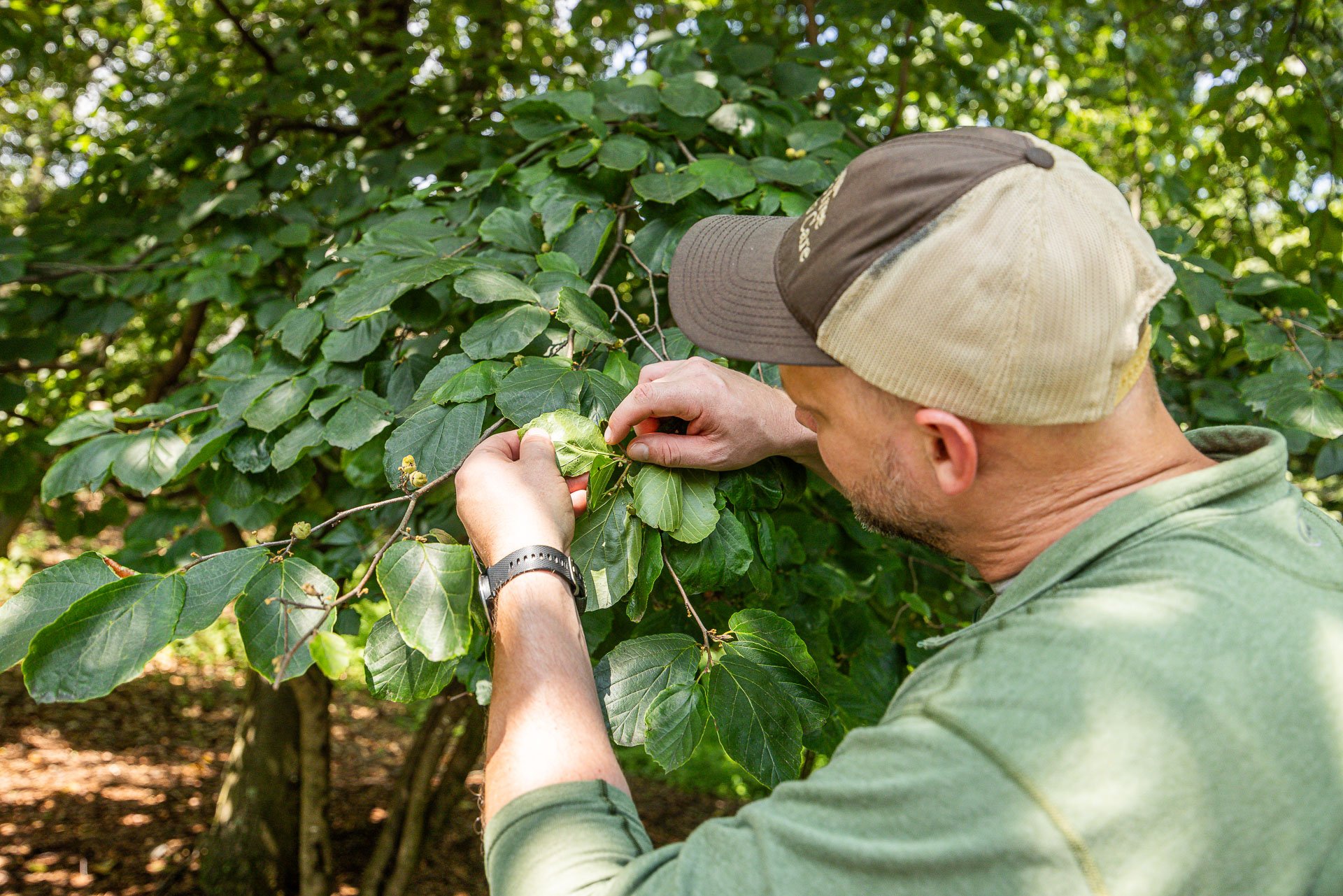
5) Mulch Properly
Mulch can help trees retain moisture during the hot summer months, keep the soil temperature in check, and more, but it’s important that mulching is done right.
Avoid putting too much mulch down, as this can suffocate the roots, and be sure to not mulch against the trunk, which can create a “volcano” effect and increase the risk of rot.
6) Check Soil Moisture and Compaction
Once winter has subsided, it’s also a good idea to check that the soil has enough water and that it’s not too compacted in areas where the tree’s root system is.
When to Call in a Professional for Spring Tree Service
If you notice that a tree shows signs of stunted growth, is discolored, has visible cracks or damage, exhibits dead branches or branches with no leaves, or presents symptoms of pest or disease infiltration, it may be time to enlist the help of an ISA-certified arborist.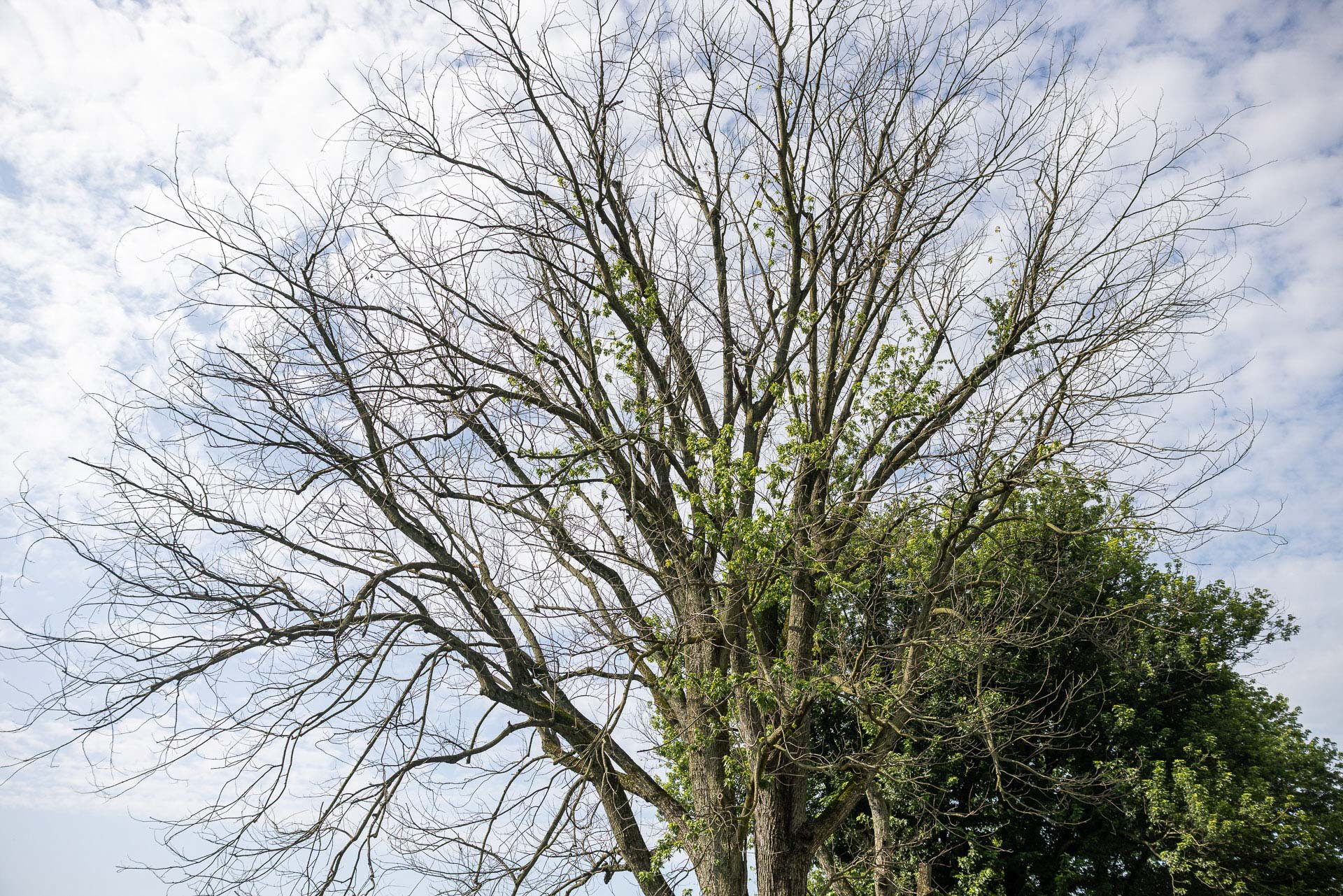
Proactive care in the spring can help keep your trees thriving all season long and also help reduce the risk of potential emergencies like a fallen tree due to storms.
How Good’s Tree & Lawn Care Keeps Your Trees Safe and Strong All Year
Whether we’ve been on your property before or not, our technicians focus on typical areas that we often see issues in each spring. There are several species of trees and shrubs that are more prone to pests and diseases in South Central Pennsylvania that we pay particular attention to on properties. These include plants like hemlocks, boxwood, azaleas, yews, and lilacs. If you have these plants in your landscape, consider proactive care to keep them strong and healthy to fight issues arising after winter.
Some trees, such as crape myrtles, are native to zones south of South Central Pennsylvania and may have a tough time withstanding winters that are colder and longer than usual.
Our technicians also stay on the lookout for signs and symptoms of new invasive pests and diseases. As of this writing, these pathogens include boxwood tree moth, beech leaf disease, and crape myrtle bark scale. Pests common in the last few years have included spotted lanternfly egg masses, spongy moth egg masses, and emerald ash borer.
As part of a spring tree care visit, our plant health care experts fertilize your plants, which helps invigorate soil and produce healthy roots and shoot growth.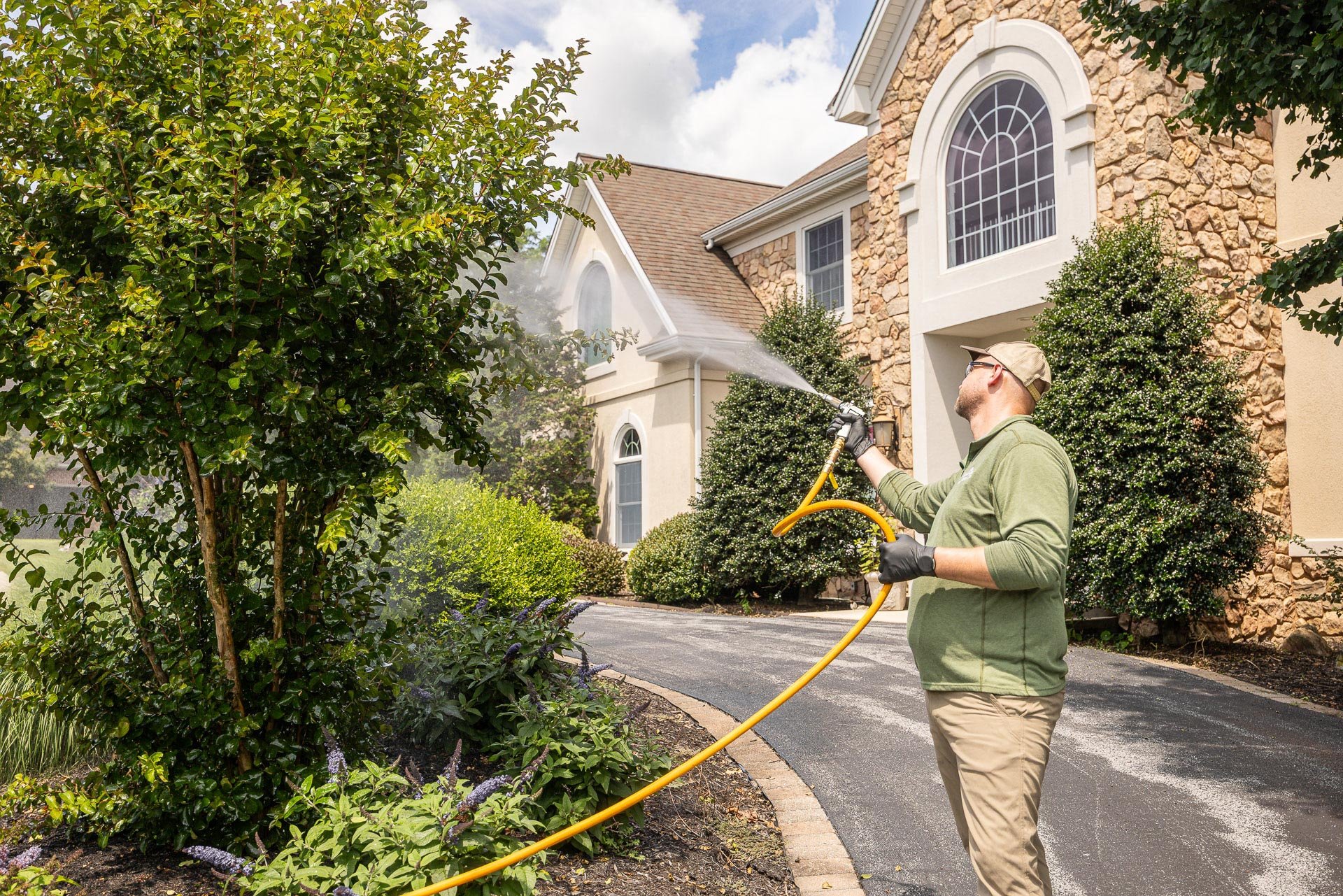
Your evergreen trees also receive a horticultural oil application, a nontoxic substance that coats the leaves and smothers any overwintering egg masses, as well as early feeding insects and mites. In other words, the horticulture oil can help give your trees a clean bill of health to start the season.
Throughout the year, our expert team keeps an eye out for slight changes and concerns, new patterns, and things that don’t quite add up. If a particular issue has them stumped, they will take pictures and notes and consult with our certified arborists to make a solid determination for what’s going on and how to correct it.
From there, based on what our plant health care technicians and arborists see on your property, they can create a tailored approach that works best for your trees and your budget.
Frequently Asked Questions
When is the best time to inspect trees in spring?
It depends on the type of trees you have and whether or not the wintry conditions have broken. Typically, spring tree inspections can take place between March and May for South Central PA.
How can I tell if a tree is unhealthy or unsafe?
Visible cracks or splitting, a leaning or unstable base, dead and broken branches, or discoloration are a few symptoms of an unhealthy tree. It’s a smart idea to call in an expert to diagnose the issue before it becomes a safety hazard.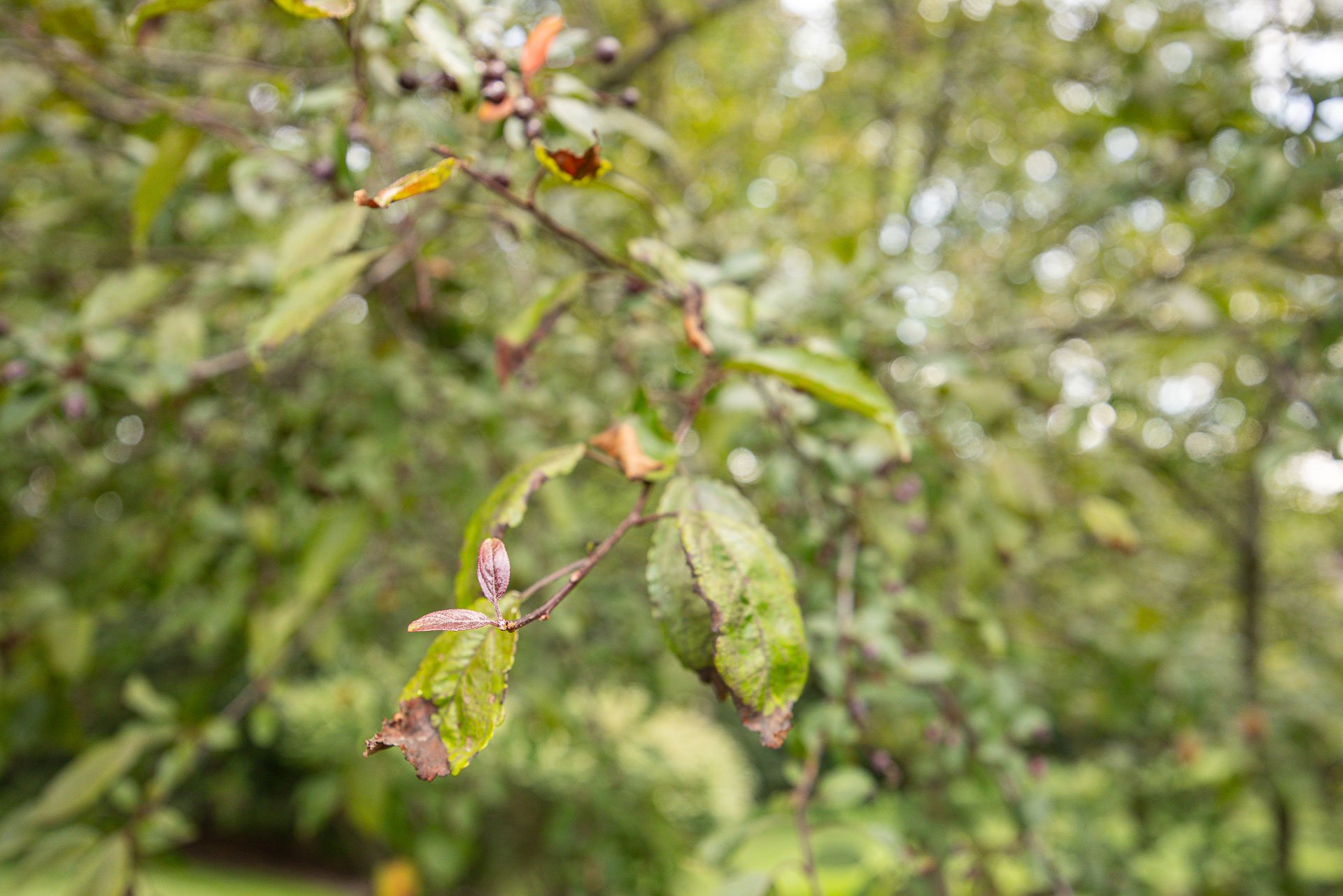
Should I prune trees myself or hire someone?
We usually advise against attempting to prune trees yourself. It’s important to understand the types of cuts you are making and how it will affect the tree. If you are unsure of best pruning practices, it’s best to call in a certified local arborist.
What causes tree disease after winter?
In wintertime, trees can suffer from desiccation, bark splitting, and stress due to salt, sun, wind, cold, snow, and ice. This makes the trees weaker, more vulnerable, and less capable of fighting off threats, thus opening up the door for diseases to take hold.
Is mulching around trees actually helpful?
When done correctly, mulching is very helpful. It can help regulate soil temperature, hold in water, and suppress weeds from growing around the tree. However, be careful not to apply too much mulch as this can suffocate the tree. Similarly, piling mulch around the trunk of the tree, creating a volcano formation, can also lead to rot and disease.
Start the Season Strong — Schedule Your Spring Tree Check
Are you ready to help your landscape turn over a new leaf? Proper care for your trees all season long is the key to healthy, vibrant landscapes.
Fill out our form to book your spring tree inspection for your South Central Pennsylvania property.
Image Sources: salt on road

Jon Schach

.png?width=300&height=143&name=Goods%20Tree%20Care%20Logo%202%20(2).png "Goods Tree Care Logo 2 (2)")