.png?width=429&height=204&name=Goods%20Tree%20Care%20Logo%202%20(2).png)

Has your lawn gone from vibrant green to a sickly brown or yellow? Are there patches of discoloration throughout your lawn that seem to continually expand? Does the grass feel spongy when you walk on it?
It could be that you have a grub problem on your hands.
This guide will unearth what grubs are, how to recognize grub damage to your lawn, how to treat grubs in your Pennsylvania lawn, and more.
Jump to:
What Are Grubs?
What Does Grub Damage Look Like?
When Should You Apply Grub Control?
How to Get Rid of Lawn Grubs
Preventing Grub Damage Long Term
FAQs About Lawn Grubs in South-Central Pennsylvania
Working with Good's to Prevent Grubs
What Are Grubs and Why Do They Damage Pennsylvania Lawns?
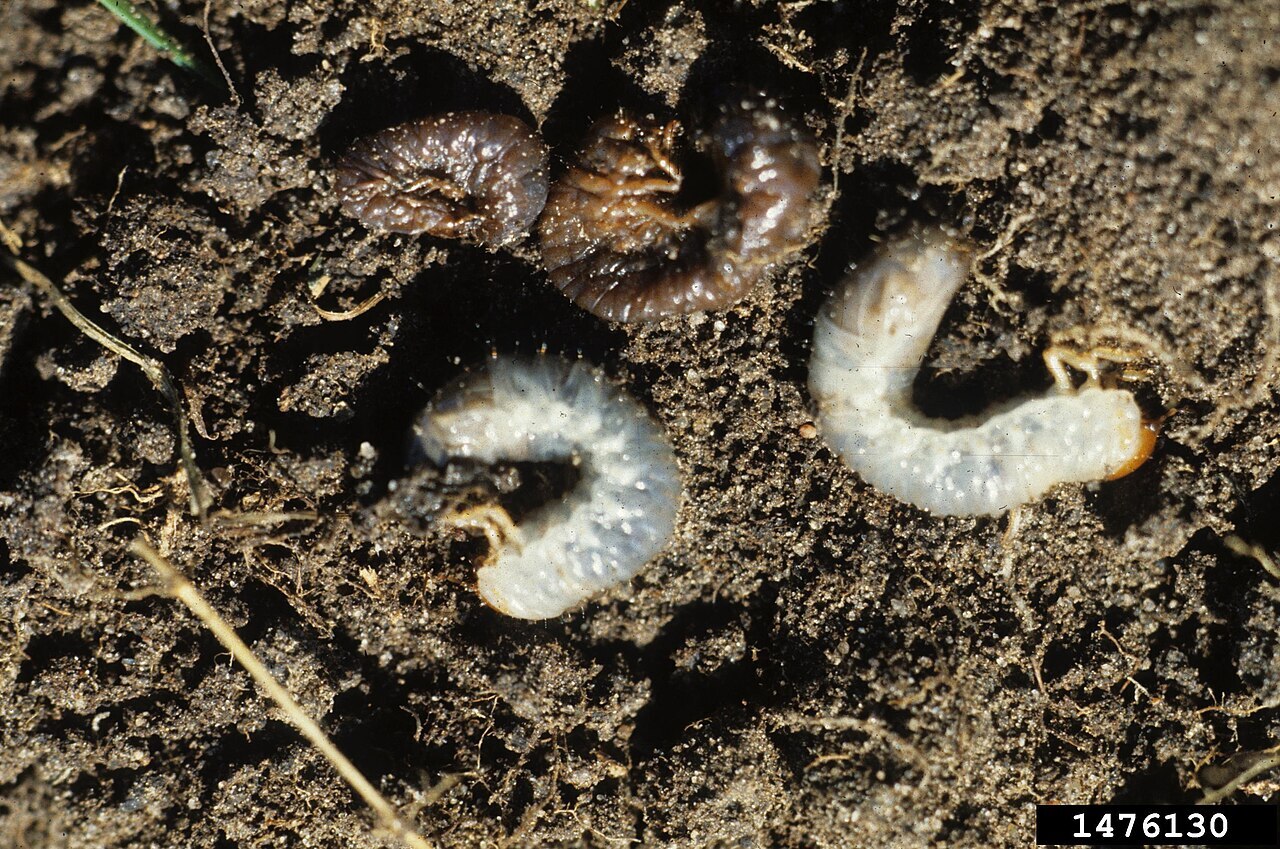
White grubs, what you will see most often in South Central Pennsylvania, are the larvae of various beetles. The most common beetles include the Japanese beetle, the Asiatic garden beetle, and the green June beetle.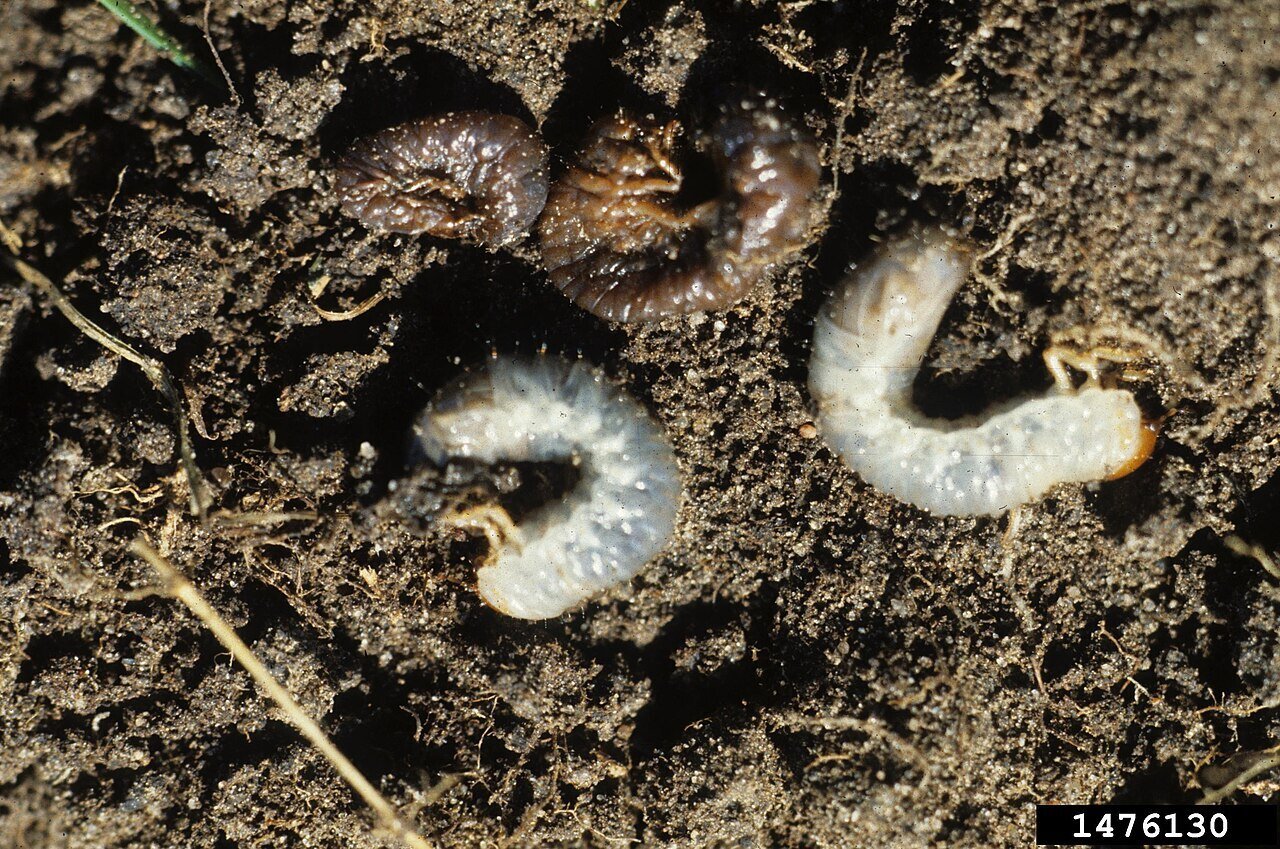
While the adult beetles may vary in look, the white grubs are soft-bodied C-shaped pests that have a creamy white body and a brown head.
Grubs may look harmless, but they can actually cause quite a bit of damage to your yard as they feed on the grass roots, causing the grass to separate from its roots.
Grubs tend to gravitate toward thick and lush grass types, such as Kentucky bluegrass and ryegrass, both types native to the area. Bermudagrass and zoysia grass, which are not native to South Central Pennsylvania but are still present here, are also preferred turf types for grubs to feast on.
These pests also thrive in yards that have a thick thatch layer – the layer of organic matter between the soil and grass–and rich soil.
What’s more, the climate in Lancaster, Dauphin, York, and Cumberland Counties, with their warm and wet conditions, provides the ideal environment for beetle life cycles.
Why Some PA Lawns Experience Repeated Grub Infestations
It may seem that some lawns deal with grub damage more often than others. Below are a few risk factors to be aware of:
-
Thick thatch layers provide an attractive feeding spot for grubs.
-
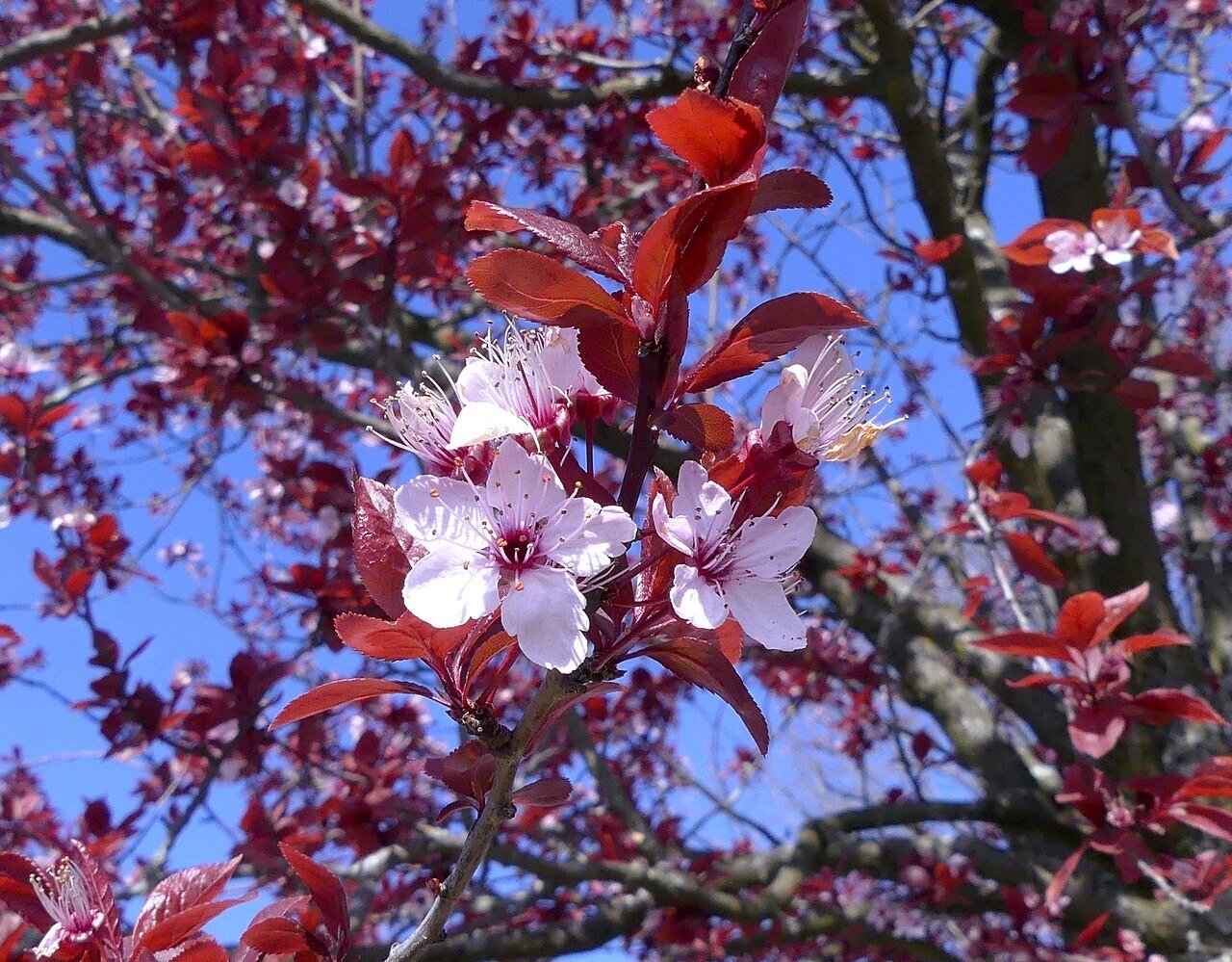
Landscape plants, such as roses and purple leaf plum trees, are favorites of adult beetles. If the adult beetles are attracted to your yard thanks to these types of plants, it’s not a far leap for them to lay eggs in your yard.
-
Previous damage cycles may put your lawn at risk for repeated infestations.
-
Lawns that forgo a preventative application that kills the eggs before they hatch into larvae are much more likely to succumb to grub damage.
What Does Grub Damage to a Lawn Look Like?
So, how do you know if grubs have started to treat your lawn as their own personal buffet?
You will likely start to see turf damage in late summer and early fall, typically starting around Labor Day.
Look for the following symptoms:
-
Brown or yellow patches that lift like carpet when you pull on them.
-
Turf that feels spongy when you walk on it, indicating that the root system that connects the grass to the soil has been damaged.
-
Increased animal activity from critters like skunks and raccoons, which can dig through the lawn to feed on grubs.
-
Irregular patch shapes, rather than uniform spots, that can expand throughout the lawn as grubs continue feeding.
-
Visual sightings of several grubs in one area where you’ve pulled up on the lawn.
How to Check for Grubs in Your Lawn
 If you think that you may have grubs in your lawn, follow these steps:
-
Identify the section where you suspect grub damage to the lawn.
-
Cut a small square of turf (about 1 foot).
-
Peel it back carefully. Remember that grub-infested turf is likely to pull up easily, like a carpet.
-
Count the number of visible grubs.
-
More than 5-10 grubs per square foot may justify treatment.
When to Apply Grub Control in PA
The insatiable appetites of grubs is only one of the reasons why these pests can be so detrimental to your lawn.
The main problem is that you likely will not notice that grubs have taken over your lawn until the feeding frenzy has begun. That’s why grub prevention is so important and why timing is so critical when trying to keep grubs at bay.
Preventative Grub Control (Early to Mid-Summer)
Time your preventative grub application for early to midsummer, for example, from late May through early July. The key is to apply the product before eggs hatch, typically around August in South Central Pennsylvania.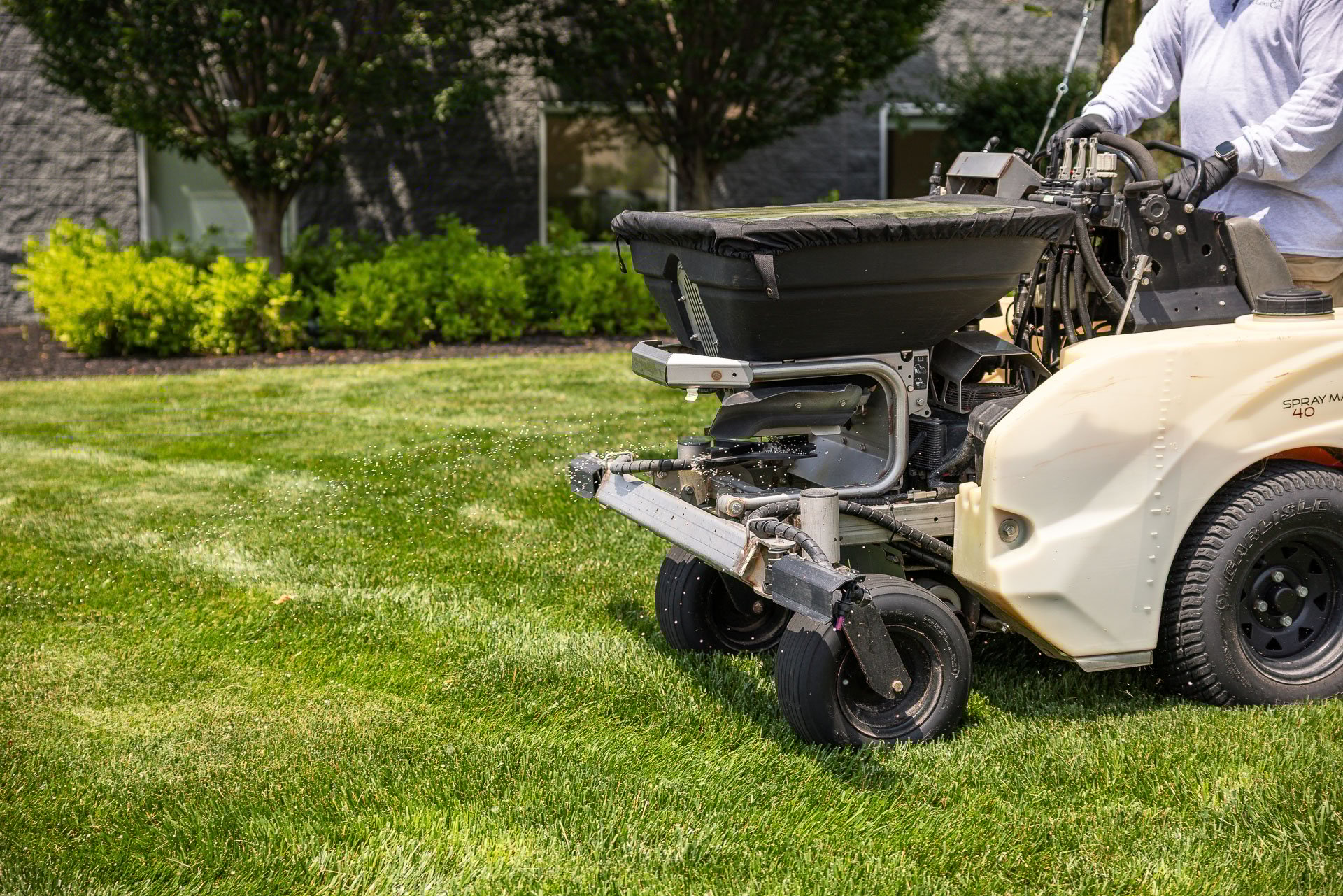
As long as the preventive product is properly watered in, put down at the correct rate, and applied at the right time, the product should work well to prevent a serious grub infestation.
In other words, a preventive grub control treatment is the most effective strategy to keep grubs from taking over your lawn.
Curative Grub Treatments (Late Summer/Early Fall)
On the other hand, a curative grub treatment is used if grub damage is already visible in your lawn, typically in late summer or early fall.
This type of treatment is more reactive than proactive and may yield less predictable results. That’s why preventive treatments are the key to grub control.
Note that if we have a hot, dry summer in South Central Pennsylvania, the sun and heat may cause preventative products to degrade a bit. So, if you notice that grubs still appear in your lawn after a preventive treatment, a curative treatment can be applied.
How to Get Rid of Lawn Grubs If Damage Is Already Present
If your lawn has succumbed to grub damage, don’t worry - there are ways to help get rid of and prevent them in the future.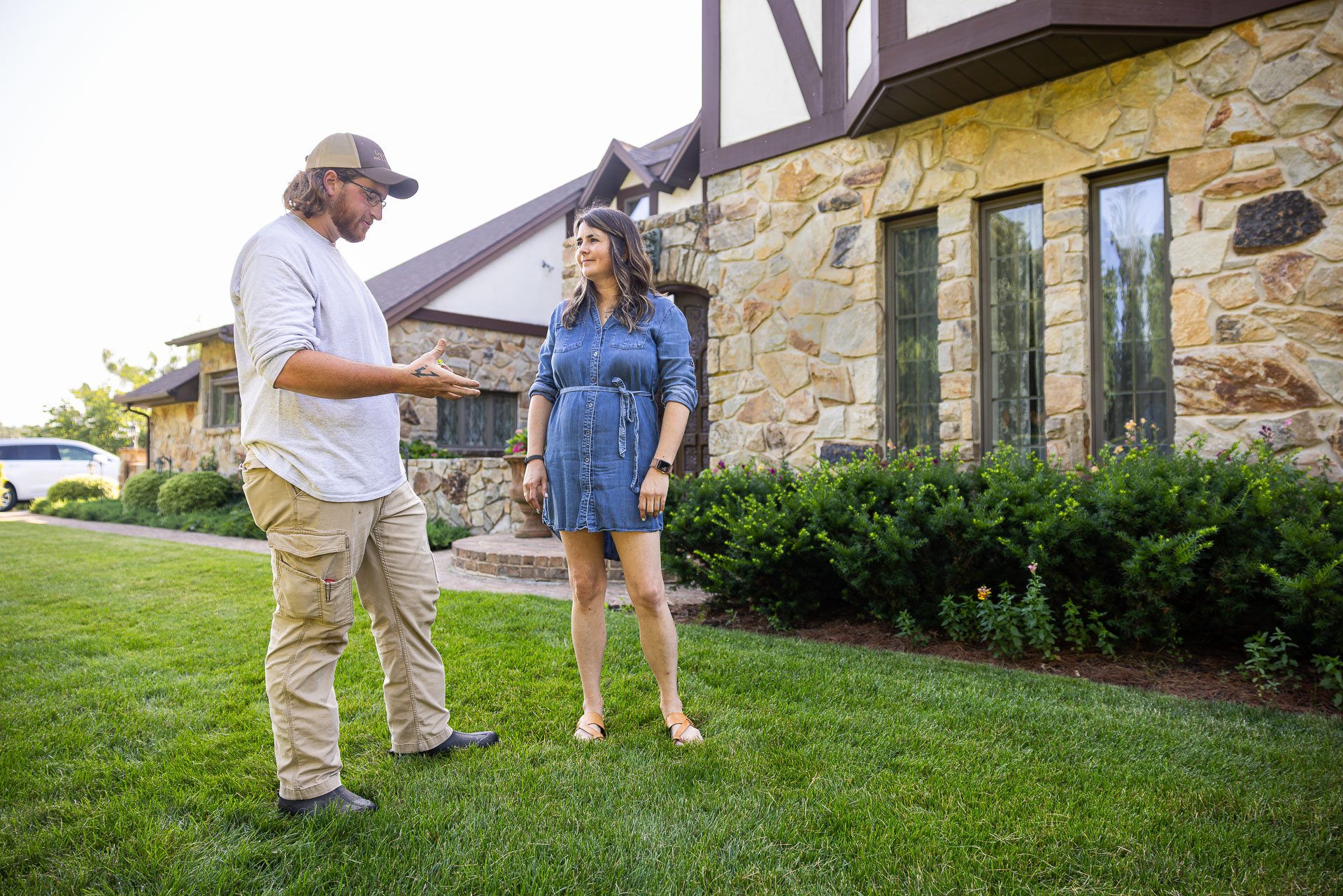
First, work with a local lawn care expert to apply a curative treatment and ensure that the treatment is watered in afterward to ensure it penetrates down to where the grubs live. From there, it is possible for your grass to recover.
Depending on the extent of the grub infestation, aeration and overseeding can assist in helping to fill in bare spots. Aeration can also help break up the overly thick thatch layer that may have served as an invitation to the grubs in the first place.
Fertilization throughout the season can help provide nutrients to your grass, giving it an extra boost as it recovers.
Finally, other cultural practices such as proper mowing (set your cutting deck to 3.5 to 4 inches in the summertime) and correct watering (water your yard about 1 inch per week, or around 20-25 minutes) can help ensure your lawn remains healthy.
Preventing Grub Damage Long Term in South Central Pennsylvania
All in all, there’s no one solution to keep grubs away from your yard.
Instead, it requires an integrated lawn care approach, bringing in practices such as preventive control, proper watering and mowing, fertilization, aeration, and overseeding.
When to Call a Professional for a Grub Infested Lawn
If you’re wondering if it’s the right time to call in professional help to get the grubs in your lawn go away, consider the following questions:
-
Are there irregular brown patches in your yard that spread quickly?
-
Has wildlife been tearing up your lawn?
-
Do you experience repeated seasonal damage?
-
Are you unsure about the timing or rates of grub applications?
-
Have you noticed a high number of adult beetles flocking to your yard?
If you have answered yes to any of the above, think about consulting with a professional.
Frequently Asked Questions About Lawn Grubs in Pennsylvania
What time of year should I apply grub control in Pennsylvania?
Preventative applications should take place between late May and July, whereas curative applications often occur in late summer or early fall after damage has been seen.
How do I know if my lawn has grubs?
If your lawn has irregular brown or yellow patches that spread, if it pulls up easily like a carpet, and if it feels spongy when you walk on it, you may have grubs. Visual sightings of multiple grubs in one spot can also be an indication.
Can my lawn recover from grub damage?
Yes, your lawn can recover from grub damage through a combination of cultural practices like proper mowing and watering and other practices like grub control applications and proper fertilization.
Are grubs active all year in Pennsylvania?
As the larval stage of beetles, grubs are most active in late summer and early fall.
Say Good-Bye to Grubs with Good's
Get ready to say “so long” to grubs for good with Good’s professional lawn care program, which includes grub prevention and control.
If you’re located in South Central Pennsylvania, call or fill out our form for your free quote today.

Images Sources: white grubs, purple plum tree

Jon Schach


.png?width=300&height=143&name=Goods%20Tree%20Care%20Logo%202%20(2).png "Goods Tree Care Logo 2 (2)")